
When the emergency call falters: Guide and reality check for Mallorca
When the emergency call falters: Guide and reality check for Mallorca
There is currently a disruption in the Spanish telephone network affecting calls to some emergency numbers. What does this mean for Mallorca, which numbers are affected, and what can residents do right now?
When the emergency call falters: Guide and reality check for Mallorca
Why is 061 failing right now – and how can you still get help?
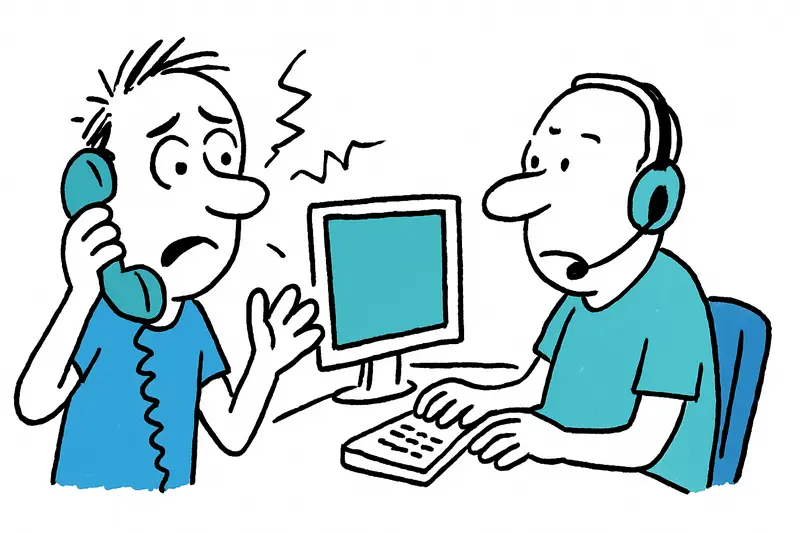
On May 12, 2026, authorities reported a disruption in the Spanish telephone network that is also being felt in the Balearic Islands. In particular, calls to 061, which is responsible for medical emergencies, are partially not getting through. According to officials, the nationwide 112 emergency number is largely continuing to operate. Emergency call centers have increased staffing so calls can be handled more quickly.
Key question: How secure are our emergency response channels if the landline or individual short codes suddenly fail?
Critical analysis: A failure of certain numbers exposes how fragmented the system can be. The 112 is the central hub for many emergencies; when it works, it catches a lot. Still, a gap appears when specialist numbers like 061 are affected — callers often do not switch immediately, valuable minutes pass, or there is confusion about who is responsible. Technically, a network outage can have many causes: overload, switching-center errors, problems at providers, or maintenance mistakes. What matters is how quickly operators and authorities inform the public transparently and offer alternatives.
What is missing from the public debate: clear, easily accessible status updates from telephone providers and emergency centers in real time. This issue follows reporting that the central hotline for appointments at public health centers has not been answering calls. On Mallorca we currently see many uncertain scenes: on a street corner in Palma, next to the Plaça Major, an elderly woman with breathing difficulties stops; two passersby grab their phones, first try the familiar 061 and are surprised that no connection is made. Moments like these show: information must be simple, local and loud — not just a press release.
Everyday scene from Mallorca: On Avinguda Jaime III scooters speed through the sunshine; in a practice in Santa Catalina, staff frantically call other numbers while an ambulance drives by slowly. Similar problems have been documented in reports about doctor appointment lines, reinforcing how widespread the issue can be: hotline out of service: doctor phones on Mallorca. Small neighborhoods are contacting each other more often: a quick shout from the first floor, a door opens, a neighbor brings water, someone drives to the nearest ambulatorio. These neighborhood networks are now more important than any technology.
Concrete, immediately actionable solutions for citizens:
- If you need urgent help: Dial 112 immediately. The number is valid across Europe and, according to authorities, is largely working. Say clearly where you are (town, street, house number or a clearly visible landmark).
- If the connection does not work: Try another mobile phone, call from a landline or use a neighbor's or business's phone. Switching network operators sometimes helps — the call can be routed through a different provider.
- If you cannot call: If possible and safe, go to the nearest Guardia Civil or Policia station, the health center (ambulatorio) or the hospital emergency department — for example Son Espases in Palma. There you will find staff who can coordinate help.
- Communicate your location: The most important information for rescuers is the precise location. Use your phone's GPS functions or describe distinctive points: intersections, squares, house signs.
- For people with hearing or speech disabilities: Use alternative channels you know (SMS services, emergency apps) and inform family or neighbors so they can call on your behalf if needed.
Concrete demands to authorities and providers:
- Real-time status pages: Operators and emergency centers should publish current outage reports clearly, broken down locally, and distribute them across multiple channels (web, official social media channels, local loudspeaker announcements at critical locations).
- Increase redundancy: Emergency infrastructure must not depend on a single technology. Backup routing, alternative switching centers and better cooperation between mobile and landline providers are necessary.
- Public information with practical focus: Simple information sheets in health centers, pharmacies and at the airport — with clear instructions on what to do during an outage.
Punchy conclusion: Telephone outages are not a distant theory — they happen here and now. For people on Mallorca that means: do not panic, try 112 first, then act pragmatically — neighbors, ambulatorios and police stations can temporarily fill the gap. In the long term we need more transparent crisis management and technical redundancy. Until then, knowing the alternatives can save real minutes.
Frequently asked questions
What kind of weather should I expect in Mallorca in spring?
Can you swim in the sea in Mallorca in spring?
What should I pack for Mallorca in spring?
Is spring a good time to visit Mallorca?
What is Palma like in spring?
Is April a busy month in Mallorca?
What are the best things to do in Mallorca in spring?
What is Alcúdia like in spring?
Similar News
Rental Car Theft in El Arenal: What This Incident Reveals About Our Gaps
A teenager steals a running rental car in El Arenal, flees on foot, climbs over walls and is caught by the Guardia Civil...
Red Rope in Palma's Library: What Helps Against Selfie Tourism — and What's Missing
Palma's city library cordoned off an area with a red rope to keep selfie tourism away from reading and working activitie...
Fort San Carlos: Museum, Harbor Dispute — and a Conflict That Demands Answers
The military museum at Fort San Carlos sits right on Palma's harbor, with unexpectedly quiet rooms filled with cannons a...
Old Town Under Pressure: When a Doorway Becomes a Sleeping and Shower Place
For months a woman has been living with a parasol, a clothes rack and personal belongings next to the social welfare off...
When Shopping Weighs Heavier: Mallorca Demands a Tax Pause on Food and Fuel
Rising prices are putting pressure on households and agriculture. The Balearic Islands are calling for temporary tax rel...
More to explore
Discover more interesting content

Can Cap de Bou

Townhouse Lleo 72
