
Emergency Code 7700 over the Atlantic: What United's Turnback Really Means
Emergency Code 7700 over the Atlantic: What United's Turnback Really Means
A United jet turned back over the Atlantic after the word "bomb" was received via Bluetooth on board. How safe is flying, who is responsible — and what is missing from the discussion?
Emergency Code 7700 over the Atlantic: What United's Turnback Really Means
Guiding question: How can a Bluetooth message on board become an aviation emergency — and who must ensure in future that such incidents do not escalate disproportionately?
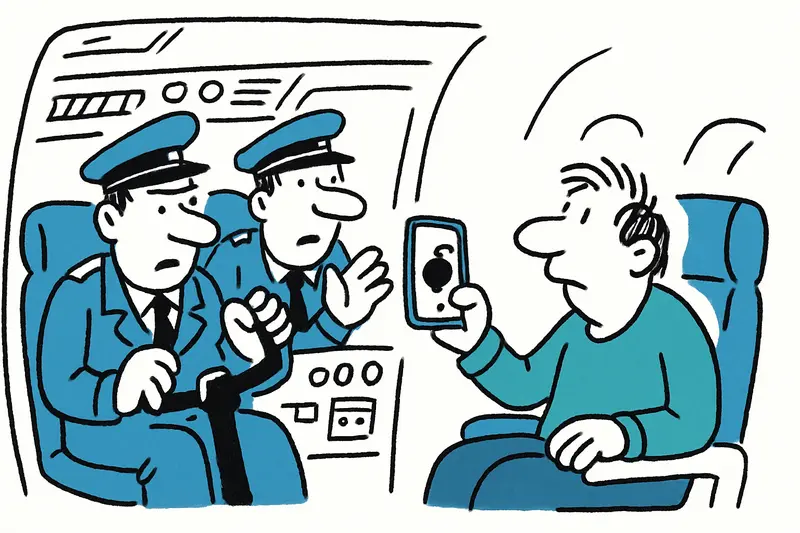
Early in the morning in Palma's arrival hall, where taxi drivers sip coffee and luggage wheels squeak, some passengers arrived significantly later than planned yesterday. On a transatlantic flight from New York-Newark to Palma, the crew set emergency code 7700 after an hour of flight and turned back. Cause: a Bluetooth signal on board apparently containing the word "bomb" caused uncertainty. A 16-year-old passenger is named as the suspected source; the crew repeatedly demanded that Bluetooth connections be switched off.
In short: a digital signal that in itself posed no immediate physical danger triggered a reaction that led air traffic control to give maximum priority. This is not a textbook case; it's a real-world case that raises questions about response, proportionality and prevention.
Critical analysis: First, 7700 is not just any code but the universal transponder alert indicating an aircraft is in serious distress, as with Heart-stopping moment over Son Sant Joan: Why the Eurowings plane climbed again. Pilots therefore do not set this identifier lightly. So why was it set in this case? Possible explanations lie on several levels: uncertainty in assessing the signal by the cabin crew; lack of means to quickly and technically verify the origin and seriousness of a Bluetooth message; and concern about copycats in the confined, sensitive space of a passenger aircraft.
The public debate tends to dismiss the event as a "kids' prank" or to label the reaction as excessive caution. Both are too simplistic. A false alarm can mean hundreds of thousands of euros in operating costs, additional emissions and increased strain on crew and ground staff, as in Back after takeoff: What a 'toilet problem' reveals about flight safety. At the same time, passenger safety must not be sacrificed to cost-cutting. The real question is: do airlines, regulators and device manufacturers have clear, practicable criteria for when an electronic signal should be treated as a genuine threat?
What is missing from the public discourse: technical transparency and chains of responsibility. We know that Bluetooth messages operate locally and are fragmented; we do not know how the crew assessed the signal. This echoes issues raised in When Cabin Announcements Turn into Puzzles: Communication on Board an Island Airline. There is no clear breakdown of who needed what information in which form to decide. Younger passengers should not be portrayed solely as culprits; nor should the crew be criticized for decisions they had to make in seconds.
A slice of everyday life from Palma: the cafés at the Plaça Major fill up while travelers at the airport bus stop curse the delays. A mother says her son had been playing with Bluetooth speakers shortly before — and that education about smartphone behavior for young people is simply too rare. This small, ordinary observation shows how mundane tech behavior can have consequences in aviation.
Concrete solutions: In the short term, airlines should communicate their safety instructions more clearly — not just "turn off phones" as a legal caveat, but practical guidance for Bluetooth, AirDrop and similar services. Cabin crew need standardized decision trees: when is a request to switch off sufficient, and when is the information so unclear that the captain must be involved? Technically, it would also make sense for aircraft onboard systems to evaluate warnings about radio interference, rather than relying solely on vague human judgment.
In the medium term, the issue belongs on the desks of regulators: EU aviation authorities and airports should examine whether minimum standards are needed for handling digital "interference incidents." Avionics manufacturers could develop technical filters for harmless local signals or interfaces that provide the crew with information about the nature of a radio event. Schools and parents, meanwhile, should more systematically educate young people about the risks of digital pranks — not as moralizing, but as practical rules: in aircraft, every signal can be potentially critical.
Concluding point: the turnback of a jet over the Atlantic is not an isolated incident to be shrugged off. It is a warning that our connected everyday world requires different rules in an aircraft. Sharing responsibility means clear requirements from airlines and authorities, better technical tools for crews and more education for passengers — especially for youth raised with Bluetooth. Then we will see not only fewer disrupted flights, but also fewer anxious minutes over the sea.
Frequently asked questions
What does emergency code 7700 mean on a flight to Mallorca?
Why would a transatlantic flight turn back before reaching Mallorca?
Can a Bluetooth message really cause an aviation emergency?
What should passengers know about Bluetooth and AirDrop on planes to Mallorca?
How common are flight turnbacks over the Atlantic to Mallorca?
What happens to passengers in Palma when a flight is delayed by an emergency turnback?
Who decides whether a cabin incident on a Mallorca flight is serious enough to escalate?
What can airlines do to prevent false emergencies on flights to Mallorca?
Similar News
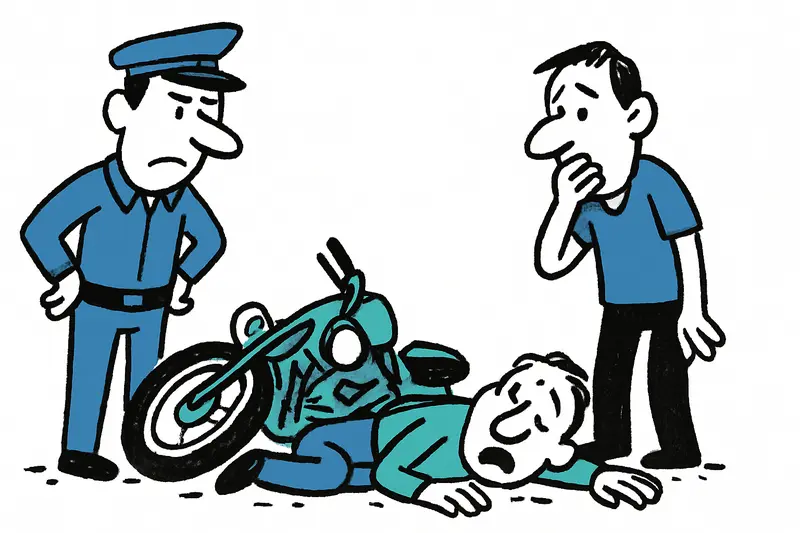
Stolen Motorcycle in Palma: Fatal Crash in Coll d'en Rabassa Shortly After Theft
A motorcycle parked on Plaza Miquel Dolç in Son Gotleu was reportedly stolen in the early hours. Hours later two men cra...
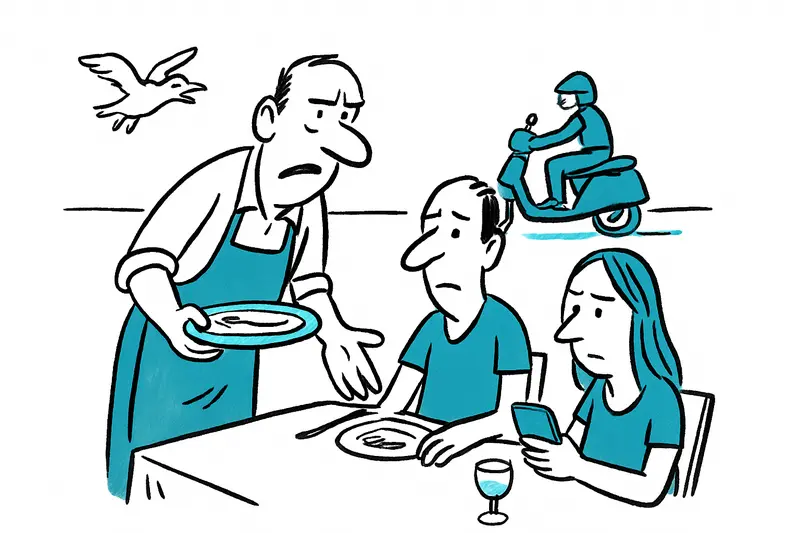
When More Guests Mean Less: Mallorca's Restaurants at the Limit
Despite record visitor numbers, the revenues of many restaurants are shrinking. Why more visitors don't automatically me...

Ballermann 2026: Heat, crowded promenade and rising prices – how much longer?
Bright sunshine, over 35 degrees in the shade and busy venues at Playa de Palma: Tourists enjoy the parties, restaurateu...
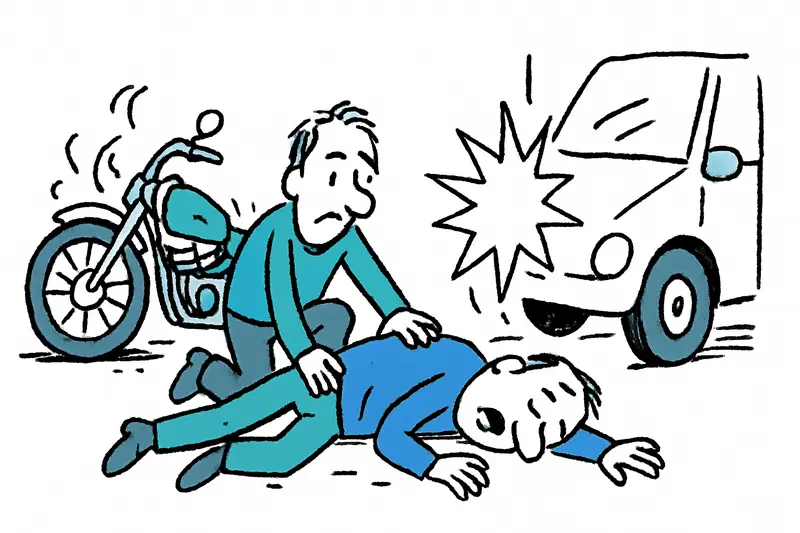
Stolen motorcycle, high-speed escape, deadly crash: An accident in Palma that raises questions
A motorcycle stolen in Son Gotleu ended up hours later on the Cardenal-Rossell in Coll d'en Rabassa in a deadly collisio...
Found dead in Son Gotleu: Dog walk ends fatally — what is missing in the investigation?
A 68-year-old man was found dead on Sunday morning on Tomás Rullàn street in Son Gotleu. According to his partner, he ha...
More to explore
Discover more interesting content

Boat Tour with BBQ along Es Trenc Beach

Private transfer from Mallorca Airport (PMI) to Pollensa
