
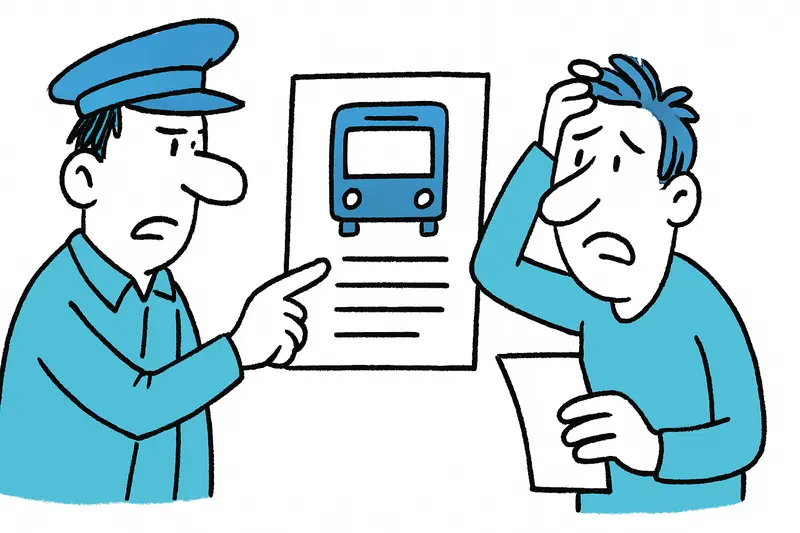
EMT timetable change in Palma: More quiet at the stop — but at what cost?
New EMT timetables bring Sant Agustí back into the network and longer evening services — but who pays the price for reduced daytime frequencies? An analysis.
New timetables, new habits: How justified are the EMT's changes?
On Passeig Mallorca a tram hisses in the distance, seagulls cry over the bay — and at the bus stop someone moves their suitcase closer to the bench: the EMT has adjusted its schedules, and you can tell. As of today altered timetables apply in Palma (Nuevo horario de la EMT en Palma: oportunidades, preguntas y un experimento de metro). The surprise for many locals is small: line 20 runs again into the Sant Agustí neighborhood, including the stop at the health center. A real relief for patients and neighbors. The crucial question remains: which user behavior does the EMT actually aim to support with the changes — and where do new problems arise?
What specifically is changing
Tourists with suitcases should keep an eye on the airport bus A1: in future it will run every 15 minutes instead of every twelve. Other lines — A2, 4, 23, 25 and 35 — will operate less frequently. Good news for night owls: more buses will continue to run later at the hubs around Plaça d’Espanya and Avinguda Argentina. It's a clear rebalancing: fewer empty trips at midday, more service when the city becomes lively.
An analytical look: Who wins, who loses?
At first glance the measure seems logical: trips go where demand actually exists, instead of rigidly sticking to old timetables. But in Palma demand and visibility are not the same. The decision in favor of longer evening services benefits bar staff, late-shift workers and young people — which is good. Victims are often early-shift workers, older patients who need daytime appointments, and tourists with tight flight connections. When three flights land at the same time, a 3-minute longer interval is noticeable; that is not only a comfort issue but can create queues and extra taxi trips.
Three little-discussed consequences
First: health mobility. The reinstatement of line 20 to Sant Agustí is a step that is often underestimated — for physiotherapy patients or older people it is enormously important (Cambio de horarios de la EMT en Palma: más tranquilidad en la parada — ¿pero a qué precio?). Second: displacement effects to other modes of transport. Fewer buses means more taxis, more ride‑sharing and more bike rentals on hot days — a short-term boost for providers, but in the long run inconsistent effects on emissions. Third: information asymmetry. Tourists are particularly vulnerable to timetable changes because they rarely check the local EMT website; add language barriers and a lack of offline information at small kiosks in side streets.
Concrete: Opportunities and approaches to solutions
The EMT has an opportunity with this change to make operations more efficient and user-oriented — provided some measures run in parallel. Suggestions that can be implemented relatively quickly:
1. Flexible reinforcements for flight arrivals: Short additional shifts when several planes land simultaneously. One small extra bus can prevent long queues.
2. Better, visible information: QR codes at stops with clear, multilingual mini-timetables; printed notices in pharmacies, kiosks and health centers.
3. Open data: The EMT should publish anonymized load data. That way residents understand why lines are shifted — and local groups can make better suggestions.
4. Demand-oriented micro-shuttles: At off-peak times small electric shuttles could be requested on demand — cheaper and more resource-efficient than half-empty standard buses.
5. Coordination with health facilities: Regular trips timed to the peak appointment times at the Sant Agustí health center would improve mobility for patients.
What locals and visitors can do now
My tip: check the EMT Palma official website or app briefly before departure — a quick look can save 10–15 minutes. If you need to be at the airport early in the morning, plan a bit more time (check Palma de Mallorca Airport arrivals). For residents it pays to communicate with neighborhood associations: many improvements happen when demand is made visible. And on sunny days the tried-and-true, unplanned traffic rule may reappear: a shared bike is sometimes faster than the bus — if the promenade isn't too crowded.
In the end it's like the corner café: a little more quiet at the stop is nice — but only if no one suddenly stands in the rain with their suitcase. The EMT has a chance to make timetable planning more transparent and flexible. If it seizes it, the city wins. If not, the most vulnerable group pays the price. And that feels too important for Mallorca to leave to chance.
Frequently asked questions
What changed in the EMT bus timetable in Palma?
How often does the airport bus run in Palma now?
Is line 20 running to Sant Agustí again in Palma?
Is it harder to get around Palma by bus during the day now?
Which Mallorca bus services are most affected by the new EMT timetable?
What should tourists know about the new bus times in Palma?
What is the best way to plan an early airport transfer in Palma?
Why did Palma change some EMT bus schedules?
Similar News
After Being Admitted to Hospital Again: Heinz Hoenig and the Questions We Should Ask in Mallorca
Long-time Mallorca resident Heinz Hoenig was admitted to hospital again. A clear “what next?” is missing from the covera...
Yellow Alert: Is Mallorca Prepared for the Next Rain Band?
Aemet has issued a yellow alert for the south, southwest and the island's interior. Thunderstorms and heavy rain are for...
Kegel brothers trial postponed: Why Mallorca must wait for a verdict
The trial of 13 German holidaymakers will not begin until May 2028. The long wait raises questions — for victims, defend...

Chaos on Palma's Runway: Why the Summer at the Airport Was So Disrupted
This summer laid bare where Palma airport is faltering: only just over half of departures were on time and seven percent...

Cocaine Offer on Ham Street: Why the Open Trade Should Ring Alarm Bells
In the middle of Pare Bartomeu Salvà a tourist was offered a packet of cocaine as part of a sunglasses deal. A short int...
More to explore
Discover more interesting content

Can Cap de Bou

Townhouse Lleo 72
