
Escape to the Sea: Nude Bathers at Playa de Palma Prompt Odd Response
Escape to the Sea: Nude Bathers at Playa de Palma Prompt Odd Response
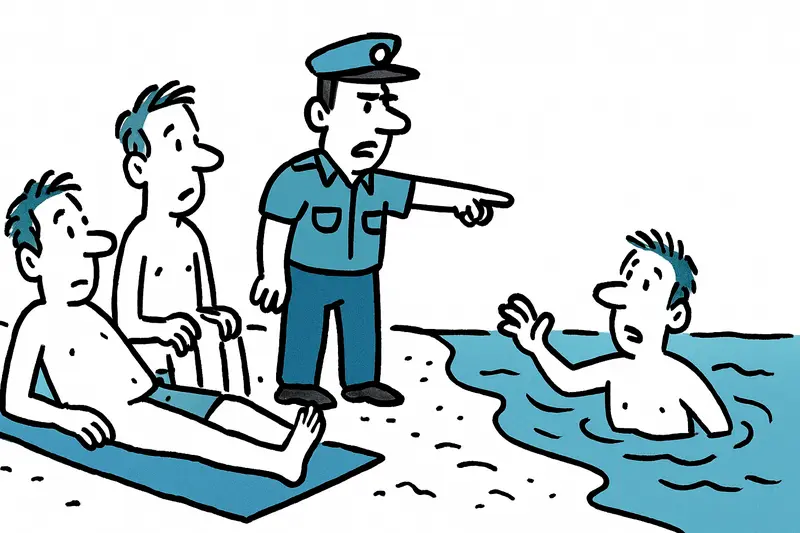
At Playa de Palma police and lifeguards had to intervene when three Austrians attracted attention by sunbathing naked at Balneario 7. One man swam out to the open sea and was returned on a paddleboard. What does this reveal about managing public beaches?
Escape to the Sea: Nude Bathers at Playa de Palma Prompt Odd Response
Late Monday morning, in a corner of Playa de Palma near Balneario 7, a scene unfolded that left passersby astonished: two young men were sunbathing completely nude on the sand, a third was swimming naked in the water. A National Police patrol noticed the situation and requested support from the local Palma police. What followed was less a stroll on the beach than a small maneuver between law, order and the island's everyday life.
Key question:
How should one deal with behaviors in public spaces that are legally prohibited but repeatedly occur in practice — without escalating the situation?
The facts are brief: according to authorities, about a dozen holidaymakers were present; two men aged 25 and 28 lay naked on the sand and were asked to put on swim trunks. Their details were recorded and an administrative offence procedure was initiated. The third, also from Austria, swam out instead of complying. Rescue personnel intervened (see Playa de Palma: Death at Balneario 2 – How good is Mallorca's help for people in need?): a lifeguard took a paddleboard, went out and after a conversation brought the man back to the beach, where a report was also filed against him. Useful note: in Palma nude bathing in public areas is allowed only where explicitly permitted; those who violate this risk fines of up to 750 euros.
Critical analysis
It is tempting to dismiss the incident as a harmless summer episode — a bit of anarchy. But two aspects deserve closer attention. First: the perception of public space. Beaches at tourist hotspots are simultaneously places of stay, workplaces and meeting zones. Nudity may be tolerated on some secluded rocks, but on a crowded city beach like Playa de Palma it alters the balance: families with children, older people, lifeguard posts and business owners are all directly affected.
Second: the manner of enforcement. The sequence with the swimmer heading out shows that police presence alone is not always sufficient. A routine check has in other cases escalated into conflict, as in Tumults at Playa de Palma: When Controls Threaten the Beach Scene. The cooperation between police officers and lifeguards was decisive here; the use of a paddleboard, the calm approach and the conversation are classic de-escalation tools. Concerns about lifeguards' working conditions have led to public demonstrations such as Lifeguards stage protest at Can Pere Antoni — a wake-up call for Mallorca's beaches. Nevertheless, the question remains how consistently and proportionately such rules can be applied without giving the impression of bureaucratic harassment.
What's missing in the public discourse
The reaction is often either moral judgement or pure repression. What is likely missing is a pragmatic perspective: where exactly should the boundaries be drawn? Which areas could be considered for flexible regulation? And not least: how do you inform guests in their language about local customs before uncomfortable encounters with authorities occur? Cases such as Naked Guests in the Neighbor's Pool: What Llucmajor Teaches Us Now underline the need for clearer guest information. The current debate quickly narrows to the amount of fines and media anecdotes; the questions of prevention and clear signage are asked too infrequently.
Everyday island scene
Picture the promenade: the clatter of sunbed frames, gulls calling, the whirr of an e-bike, parents juggling between parasol and waves. A lifeguard atop a tower looks routinely over the water, the gleam of lifebuoys is almost everyday. Such places need rules, but also tact. In Palma's summer heat people's patience is thin, and residents' nerves too — small provocations can spark loud complaints.
Concrete solutions
1) Better signage and multilingual notices at access points to heavily frequented beaches so guests know in advance what is allowed. 2) Preventive information from hotels, hosts and tourist offices: short notes in booking confirmations or at check-in. 3) Training of beach patrols in communication and de-escalation; the use of a paddleboard and a calm conversation showed how effective this can be. 4) Consider flexible zoning: designated FKK (nudist) areas away from the main promenade could reduce conflicts; approval processes would need to be transparent. 5) Clear internal procedures between the National Police, local Policía and rescue services so operations are handled quickly and with legal certainty.
Pointed conclusion
The incident at Balneario 7 is not merely a curiosity but a small test of how Mallorca manages the gap between the ambition and reality of its beaches. Law enforcement is necessary, but it works better when accompanied by clear information, sensible infrastructure and an ear for the island's everyday tones: the cry of gulls, the crunch of sand underfoot and the quiet conversation that ultimately brings people back to the beach — without the sea becoming the scene of a chase.
Frequently asked questions
Are nude sunbathing allowed on Mallorca beaches, and what rules apply?
How are incidents involving public nudity handled on Mallorca beaches?
What can visitors do to avoid fines when visiting Mallorca beaches?
Where will I see multilingual beach rules signage on Mallorca?
What happened at Balneario 7 and what does it illustrate about Mallorca beach rules?
Are there zones for nude sunbathing on Mallorca to reduce conflicts?
What practical tips should I pack for a beach day in Mallorca?
How does Mallorca balance tourism, locals, and public beach space?
Similar News

Micaela Schäfer: Between Playa de Palma and a Berlin Law Firm — New Calm, an Old Tomcat and Solid Finances
The party artist from the Ballermann scene appears surprisingly down-to-earth: a new relationship with a Berlin lawyer, ...
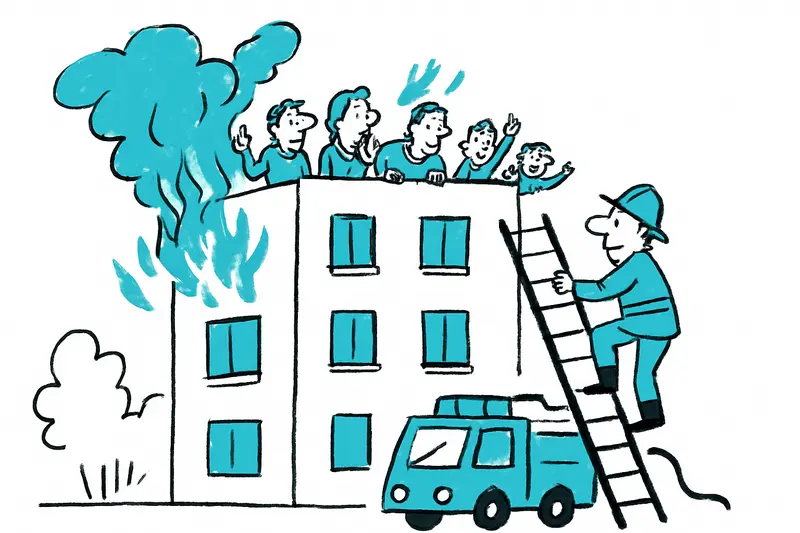
At Playa de Palma: Fire in Residential Building – six people rescued on the roof, what is missing in prevention?
In the evening a fire broke out on the first floor of a five‑storey building on Calle Trasimé. Six residents fled to the...
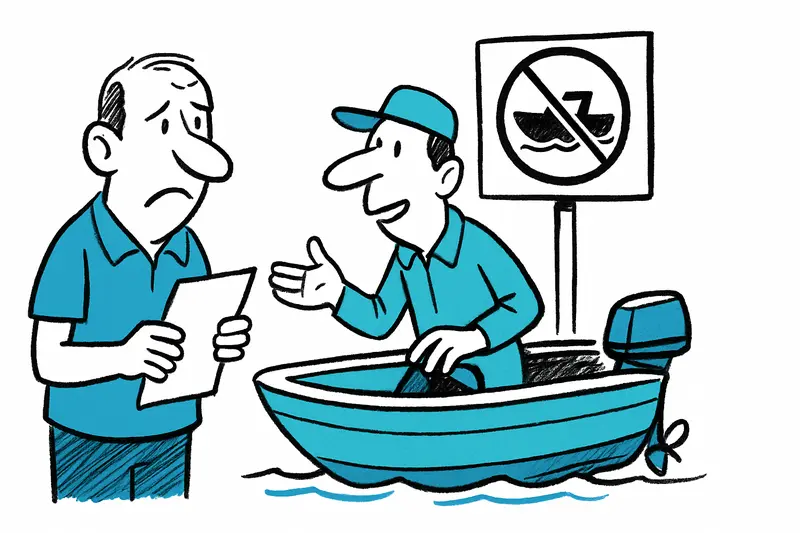
New License Requirement for Mini-Boats in Mallorca: Protection Measure or Tourism Brake?
From October 1 renters of small recreational boats in the Balearics must present a boating license. Critical questions r...
After the Storm: Mallorca Breathes Easy — Warm Weekend with Short Showers
The thunderstorm left its mark, but calm returns for the weekend: sun, summer temperatures around 32 °C, isolated shower...
No More 'Just Hop on a Boat': Mallorca, Mandatory Boating License and the Open Questions
From October 1, the Balearic Islands will require a boating license for small rental boats under five meters/15 hp. A tr...
More to explore
Discover more interesting content

Boat Tour with BBQ along Es Trenc Beach

Private transfer from Mallorca Airport (PMI) to Pollensa
