
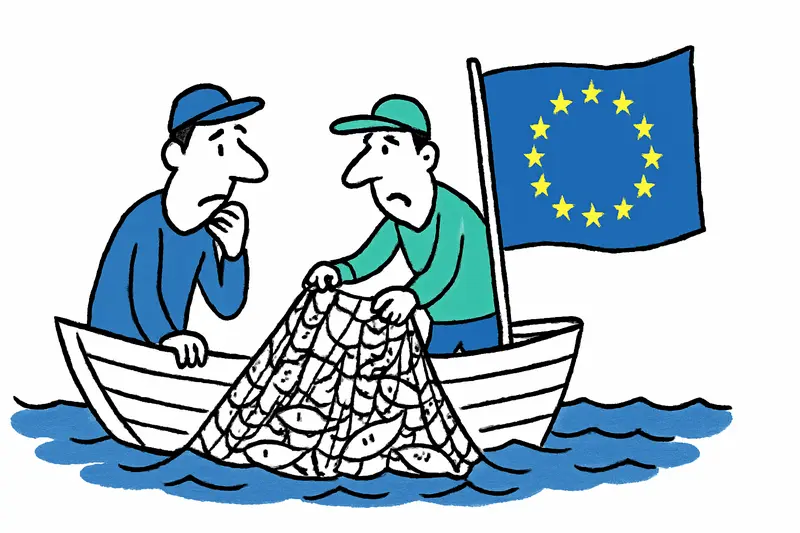
EU extension for traditional fishing: lifeline for small-scale fishers or risk to stocks?
EU extension for traditional fishing: lifeline for small-scale fishers or risk to stocks?
The EU has allowed the Balearic Islands to continue traditional coastal fishing with small nets until 2029 for up to 55 boats. A welcome reprieve for fishers — but is oversight sufficient to protect stocks and coastal ecosystems?
Key question: Does the extension truly protect tradition — or does it put young fish stocks at risk?
The European Commission has approved an exemption allowing the Balearic Islands to continue traditional coastal fishing with small nets until 2029. Up to 55 boats may use the fishing method, and fishing activity is subject to scientific supervision. The Balearic government welcomes the decision as a preservation of island tradition and a support for local gastronomy. That sounds good — but there are rough edges.
Outside every harbor bar on the Passeig Marítim in Palma you now see fishers mending nets and talking about the extension. At the market in Santa Catalina small, silvery fish lie on ice, ready for the pan. These scenes are part of everyday life — and alongside culture they are also economy. Many families in towns like Port de Pollença or Colònia de Sant Jordi have lived for generations from catching small species such as chanquete, cabotí and caramel. Still, the familiar sight must not blind us. Local reporting has explored similar tensions between high activity and sustainability (Strong Start to the Gold Mackerel Season in Cala Ratjada – Opportunity or Warning Sign?).
First concern: the biological side. Small species often have short life cycles and are frequently prey stages in the food web for larger fish, seabirds and marine mammals. Intensive removal, even with "traditional" nets, can shift the structure of coastal ecosystems. Scientific monitoring is planned — but what does that actually mean in practice? Which indicators will be measured, how often will data be published, and who will check the quality of the analyses?
Second concern: controls and enforcement. A cap of 55 boats sounds manageable — provided there are reliable registers, electronic catch reports and regular inspections. In Mallorca people know the reality: authorities are limited in personnel, especially outside the high season. If controls are sporadic, space opens up for illegal overfishing, which in turn disadvantages legitimately operating fishers (see reporting on enforcement incidents for context: Satellite detects longlines in Llevant protected area – severe penalties and unanswered questions).
Third: transparency and consumer protection. For island gastronomy, freshly caught chanquete on the plate is a selling point. But restaurants and markets need verifiable origin information. Without clear labeling and traceability, the question remains whether the promised sustainable product really ends up on the plate.
What is missing from public debate is the social dimension. The exemption secures short-term income. In the long run, however, it can cement investments in inefficient structures. Young people may think twice about entering an uncertain trade if stocks change. The discussion about support measures, retraining or part-time schemes for fishers is still lacking. Local policy shifts show the region is taking various approaches to marine issues (Island council tightens rules against the blue crab — is it enough?).
Concrete proposals from everyday practice
The solution is not a simple yes or no. In my view we need a package of quick technical measures and longer-term social rules. Proposals that could work in Mallorca include:
1. Electronic catch reports and open data: Every boat covered by the exemption should be required to submit daily electronic catch reports. Open, regularly updated data build trust and enable independent analyses.
2. Seasonal protected areas and closed times: Where juvenile fish are present, nets must stay out of the water. Short-term closures during spawning protect stock renewal and can be coordinated with local fishers.
3. Observer programmes and independent audits: Scientific oversight is not just studies in offices. Mobile observers who go on board and annual independent audits would strengthen credibility.
4. Labelling for the hospitality sector: A simple "Balearic Traditional" label with a QR code showing catch date, boat and gear type would help diners make informed choices.
5. Transition support programmes: Small funds for equipment, alternative jobs in the coastal economy or training in sustainable fishing methods would relieve pressure on the system.
What should happen now
The Balearic government and the EU should not see the approval as an endpoint. It must be the start of tightly scheduled monitoring: semi-annual interim reports, transparent data portals and a clear corrective mechanism if indicators sound alarms. Police and fisheries authorities need staff, technology and legal powers to carry out inspections, including at night and during the low season.
In markets and restaurants the question should be: how verifiable is the catch on my plate? Customers can and should ask. Local politicians must respond, because reputation disappears quickly if ecological damage becomes visible.
In the end: tradition is not a free pass for uncontrolled use. The exemption until 2029 can be a bridge — but only if we use it to build genuine, verifiable sustainability. Otherwise, in a few years it will not only be a livelihood at stake, but a part of Mallorcan everyday culture.
Conclusion: The extension buys time, but offers no guarantee. Those sitting in the harbour today looking at the sea do not only want fishers to continue working — they want children on the beach tomorrow to marvel at the same small fish.
Frequently asked questions
What is the weather usually like in Mallorca in March?
Is Mallorca warm enough for swimming in spring?
What should I pack for Mallorca in early spring?
Is March a good time to visit Mallorca?
What can you do in Mallorca when the weather is still cool?
What is Port de Sóller like in spring?
Is Palma pleasant to explore in March?
How windy is Mallorca in spring?
Similar News

Who Benefits from the Half‑Hourly Flight on the Edge? Aena, Investments and the Island's Interests
Almost one billion euros is flowing into Son Sant Joan. The figures show the scale of investment and expected beneficiar...

Are the Balearic Islands the Southern Border of Europe? A Reality Check on Immigration
The Balearic Islands are again calling for EU aid after a sharp rise in arrivals by sea. Conflicting priorities between ...

"Expensive chaos" and many open questions: What clients can do when a lawyer suddenly stops responding
Several clients complain that a well-known German lawyer in Mallorca has been unreachable for months. Key question: What...

TV tip: 'The Last Problem' — Mallorca as the setting of a classic crime
A classic whodunit on Mallorca: A new miniseries set in spring 1959 brings storm, an isolated hotel and a dense web of s...
Nipping Sea Creatures: Why Bathers in Cala Major and Elsewhere Should Be Cautious
In Cala Major, bathers have reported being nipped by small fish. What is behind it, how can problems be avoided — and wh...
More to explore
Discover more interesting content

Can Cap de Bou

Townhouse Lleo 72
