

Eurowings Bets on Mallorca: 100 Extra Flights — and We're Caught in the Middle
Eurowings Bets on Mallorca: 100 Extra Flights — and We're Caught in the Middle
Eurowings has announced roughly 100 additional connections to Palma (about 36,000 seats until the end of May). Good news for travelers — and a reason for the island to reflect: who bears the consequences of the spring rush?
Eurowings Bets on Mallorca: 100 Extra Flights — and We're Caught in the Middle
Why the seat offensive not only pleases travelers but also raises questions for Palma and neighboring municipalities
In recent days Eurowings has released a package of additional connections: about 100 extra flights to Palma de Mallorca, a total of around 36,000 additional seats until the end of May — bookable from Berlin, Düsseldorf, Hamburg, Cologne/Bonn and Stuttgart, as Eurowings expands capacity from Berlin-Brandenburg to Mallorca reports. At the same time, around 70 further connections to destinations such as the Canary Islands, Faro, Málaga, Naples and Nice are being offered. At first glance the news looks like a spring turbo: more guests, more revenue, full terraces.
Key question: Who really benefits from this flight offensive — the island, the holidaymakers, or primarily the airline? This is not just provocation but the question we must ask when additional capacity is released within a very short time.
A sober view: More seats mean increased pressure on airport capacities in Palma. Check-in counters, baggage belts, customs and security checks — everything already runs close to capacity in normal weeks. You can feel it in the city: taxi queues at the terminal are longer, suitcases line up along Plaça d'Espanya, and parking in Illetas gets tighter at weekends. The island is happy about visitors, but infrastructure does not expand at the same pace as seat numbers.
A second issue is the distribution of profits. Airlines react to demand; they fill seats when they can. Whether the additional mass of travelers flows evenly into local businesses — small bars in Sineu, craft shops in Artà, the bakery on Carrer de Sant Miquel — is uncertain. Experience shows that large hotel chains and airport service providers usually benefit the most. Public debate on this is largely missing: who checks whether increased tourism really reaches local communities?
Ecological and social aspects are also often ignored in the booking frenzy. More flights mean more noise, more CO2, more traffic on access roads around the airport. Residents near the airport, for example in Son Sant Joan and neighboring municipalities, feel this immediately: early morning takeoff noise, crowded feeder roads, and fewer free parking spaces in the outskirts.
What is lacking in the public discourse: reliable figures on the actual load factor of the additional flights, the regions where passengers stay, and an honest assessment of the burden on the city and the island. Also missing is a debate about the role of price differentiation: Eurowings is not always the cheapest option — price comparisons with other low-cost carriers often show lower fares — yet capacities are being concentrated here; for context see EasyJet announces more capacity in Spain for 2026. Why? Because direct connections and booking convenience play a major role.
Everyday scene: A morning on Passeig Mallorca. Buses unload the first guests, a street musician plays guitar, three young families push strollers toward the old town. A waitress at a café on Plaza de Cort waves tiredly but still takes orders. This is the effect of additional flights: more faces, but also more hecticness for those who work all day.
Concrete solutions that would be immediately more effective than wishful thinking:
- Earmarked taxation: A portion of the additional airport revenues should be dedicated to local infrastructure: bus connections, baggage belts, and noise protection measures in particularly affected residential areas.
- Temporal distribution: Airlines and the airport authority could allocate slots together so arrivals and departures are better spread out. Fewer morning peaks would reduce waiting times and ease road pressure.
- Transparency about travel types: Airlines should disclose which bookings are package holiday guests, holiday apartment visitors or day-trippers. That helps municipalities with planning and management.
- Noise protection and night flight rules: Enhanced controls and time restrictions would protect residents' rights without impairing the economy as a whole.
My conclusion: More flights are not a sacrament. They are an economic product — sensible if we as a society think through the conditions. Eurowings reacts to demand; that's its business. The island, however, must decide how it manages growth so that quality of life does not suffer. A bit more planning, greater transparency and targeted investments would work wonders here — both for the people who live here and for those who want to visit.
Frequently asked questions
Why are there more flights to Mallorca this spring?
Does Mallorca airport get busier when airlines add more seats?
What are the downsides of more flights to Mallorca for local residents?
Do extra flights to Mallorca help small local businesses?
How busy is Mallorca in spring compared with summer?
What should I pack for a trip to Mallorca in spring?
Is it usually warm enough to swim in Mallorca in spring?
How can Mallorca manage more tourists without harming quality of life?
Similar News
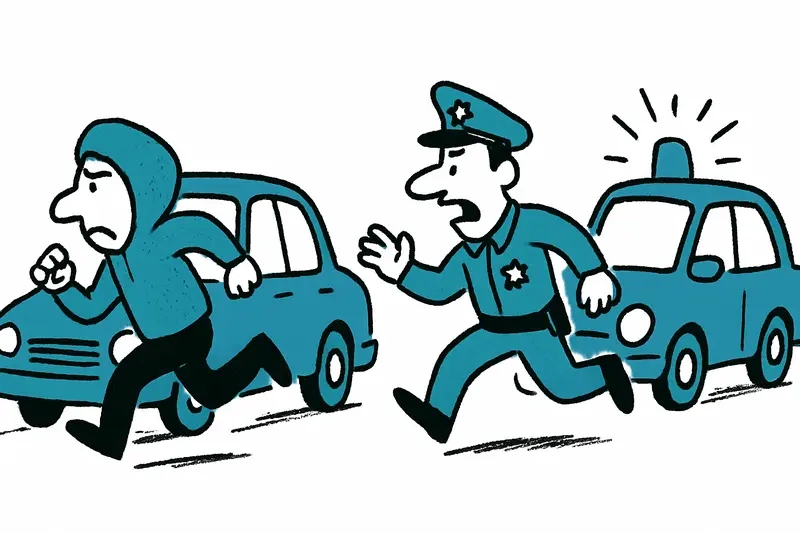
Rental Car Theft in El Arenal: What This Incident Reveals About Our Gaps
A teenager steals a running rental car in El Arenal, flees on foot, climbs over walls and is caught by the Guardia Civil...
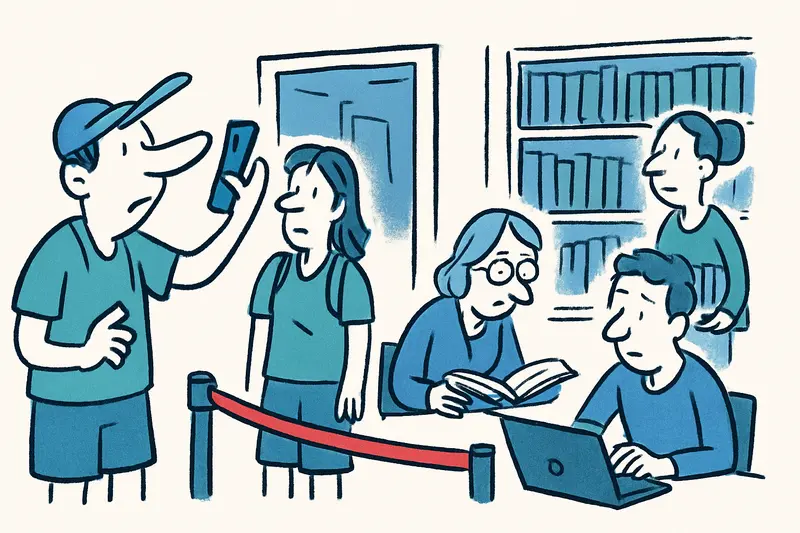
Red Rope in Palma's Library: What Helps Against Selfie Tourism — and What's Missing
Palma's city library cordoned off an area with a red rope to keep selfie tourism away from reading and working activitie...
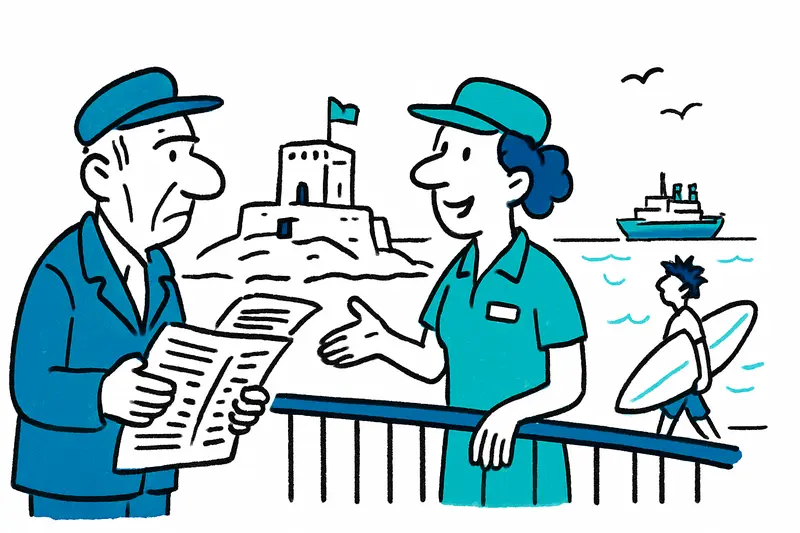
Fort San Carlos: Museum, Harbor Dispute — and a Conflict That Demands Answers
The military museum at Fort San Carlos sits right on Palma's harbor, with unexpectedly quiet rooms filled with cannons a...
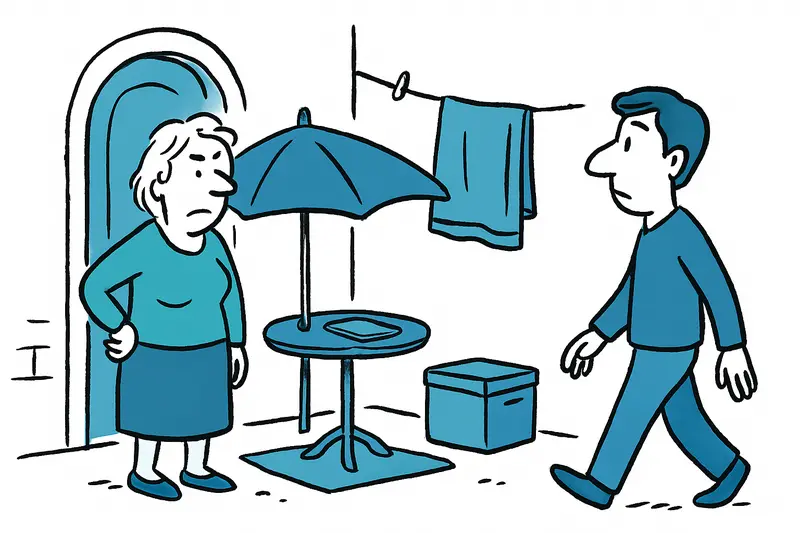
Old Town Under Pressure: When a Doorway Becomes a Sleeping and Shower Place
For months a woman has been living with a parasol, a clothes rack and personal belongings next to the social welfare off...
When Shopping Weighs Heavier: Mallorca Demands a Tax Pause on Food and Fuel
Rising prices are putting pressure on households and agriculture. The Balearic Islands are calling for temporary tax rel...
More to explore
Discover more interesting content

Can Cap de Bou

Townhouse Lleo 72
