
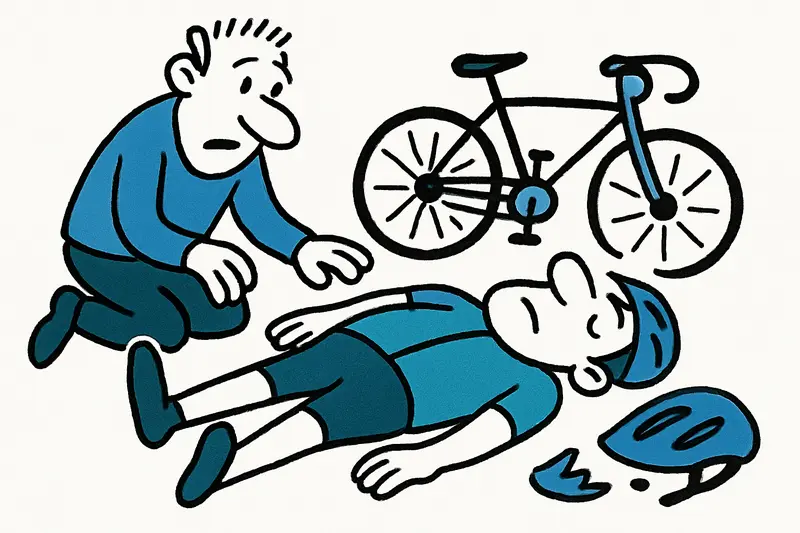
Broken helmet, rider unconscious: What the fall near Andratx says about safety in Mallorca
Broken helmet, rider unconscious: What the fall near Andratx says about safety in Mallorca
During a training ride between Es Capdellà and Andratx, a 43-year-old German cyclist suddenly lost consciousness and suffered a serious fall. Why such accidents occur more frequently here — and what should be changed now.
Broken helmet, rider unconscious: What the fall near Andratx says about safety in Mallorca
A critical assessment after the serious accident of a German cyclist
Key question: How safe are the popular road training routes in Mallorca really — and which gaps in infrastructure, prevention and emergency care contributed to this fall?
On Tuesday afternoon there was a serious incident in the southwest of the island: a 43-year-old cyclist from Germany apparently suddenly lost consciousness during a group ride from Es Capdellà towards Andratx. His wife was riding with him. In the fall the man hit his head on the asphalt; the helmet shattered. Rescue teams treated him at the scene for more than half an hour before transporting him to the University Hospital Son Espases. Emergency personnel secured the road on site and deliberately refrained from moving the injured man.
Those are the hard facts. What they do not tell us: whether a medical cause preceded the collapse — similar to Bee Sting Leaves Motorcyclist Unconscious in Andratx — A Wake-Up Call for Allergy Sufferers and Road Safety, whether the group reacted correctly, how quickly emergency vehicles could reach the narrow side roads and whether the equipment — in this case the helmet — should have withstood such forces. All of these are questions that go beyond the individual case and are encountered more often here in Mallorca.
Critical analysis: The incident fits into a pattern; this mirrors reporting on broader risks on the island, see Why Mallorca Remains Dangerous for Bikers — and What Could Really Help. In spring and autumn many foreign cyclists come here and ride on narrow country roads with changing surfaces and sharp traffic. Group rides increase speed and risk; a sudden illness of one rider can lead to consequential single crashes. That a helmet breaks on such a violent impact points to massive forces — meaning: head injury is likely severe. At the same time it shows that an intact helmet is not always an all-round protection, as other local cases have underlined, for example Helmet on the handlebar, man dead: What the e-scooter accident in Alcúdia reveals.
What is missing in public discussion: After such accidents people usually debate blame or the individual case. Very rarely do we talk about preventive structures: noticeable weaknesses on popular routes, missing information for foreign athletes, standardisation of safety equipment or comprehensive medical coverage along the hotspots. Also often omitted is how bike tour operators and local authorities must cooperate to reduce risks.
Everyday scene from Mallorca: On the route between Es Capdellà and Andratx you can hear the whir of cassettes and the clack of pedals in the morning. Roads are lined with almond and olive trees and occasionally a bar where locals drink their café with a newspaper. Cars pull into narrow pull-outs; groups of cyclists pass by, colourful jerseys against the light. It is this mix of idyllic landscape and dense traffic that combines a feeling of freedom with a latent danger.
Concrete solutions:
1) Better marking and maintenance of cycling routes: Popular training routes should be inventoried by municipalities and priorities set for repairs, escape bays and visibility measures.
2) Mandatory information and orientation for tourist groups: Rental companies, hotels and organisers should provide more information about danger spots, distances and emergency numbers in multiple languages.
3) Higher standards and education on protective gear: Advisories that helmets must be replaced after heavy impacts, checks at rental stations and better information about quality standards could reduce risks.
4) Emergency infrastructure along hotspots: Defibrillators at strategic points, clearly signposted access routes for emergency vehicles and short first-aid courses for local guides and hospitality staff.
5) Training for group behaviour: Tour leaders should be required to hold briefings: distances, signals, rules of conduct when a rider feels unwell and how to address the emergency services precisely.
Many of these measures are not expensive; they require organisation and local commitment. A first step could be a round table between municipalities like Andratx, bike rental companies, some tour operators and health providers to develop a small, practical package of measures.
Concise conclusion: The accident shows that Mallorca remains a dream for cyclists, but not every dream is safe. As long as we dismiss accidents as mere misfortunes, nothing will change. Those who live, work or vacation here must pitch in: better roads, better information and simply more common sense in sport operations. Otherwise the island will remain an attractive but risky training area — and beautiful landscapes mean little to the bereaved and injured.
Frequently asked questions
Is cycling in Mallorca safe on rural roads like the route between Es Capdellà and Andratx?
What should cyclists in Mallorca do if someone suddenly collapses during a ride?
Does a broken bicycle helmet always mean a head injury is severe?
When is the best time to cycle in Mallorca if you want safer road conditions?
What safety advice should Mallorca cycling tour groups give before a ride?
Are the roads around Andratx suitable for road training on a bike?
What can Mallorca do to make popular cycling routes safer?
What helmet rules should cyclists follow in Mallorca after a crash?
Similar News
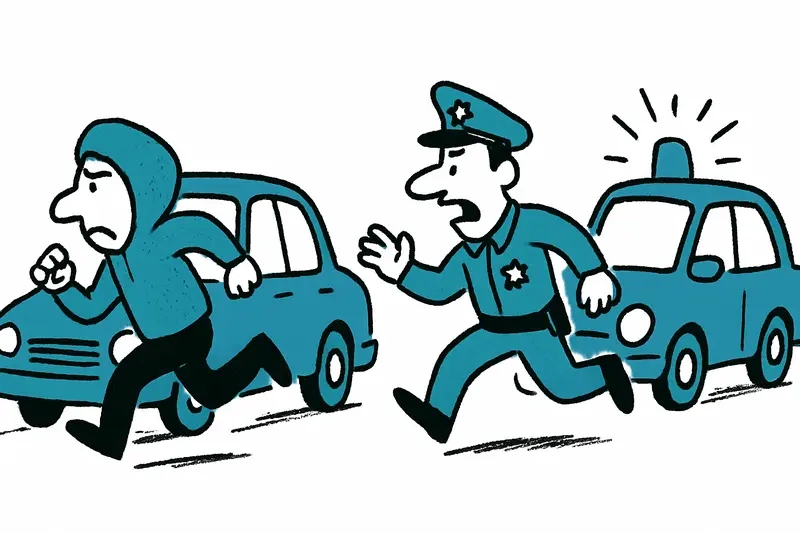
Rental Car Theft in El Arenal: What This Incident Reveals About Our Gaps
A teenager steals a running rental car in El Arenal, flees on foot, climbs over walls and is caught by the Guardia Civil...
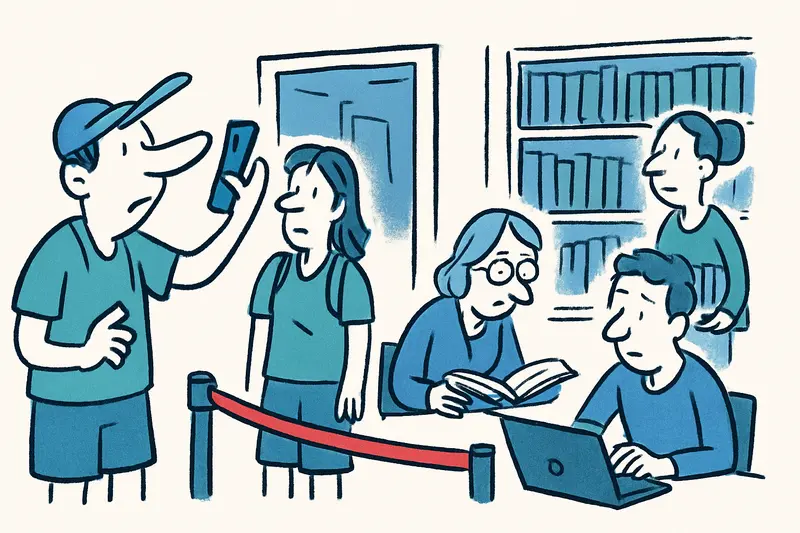
Red Rope in Palma's Library: What Helps Against Selfie Tourism — and What's Missing
Palma's city library cordoned off an area with a red rope to keep selfie tourism away from reading and working activitie...
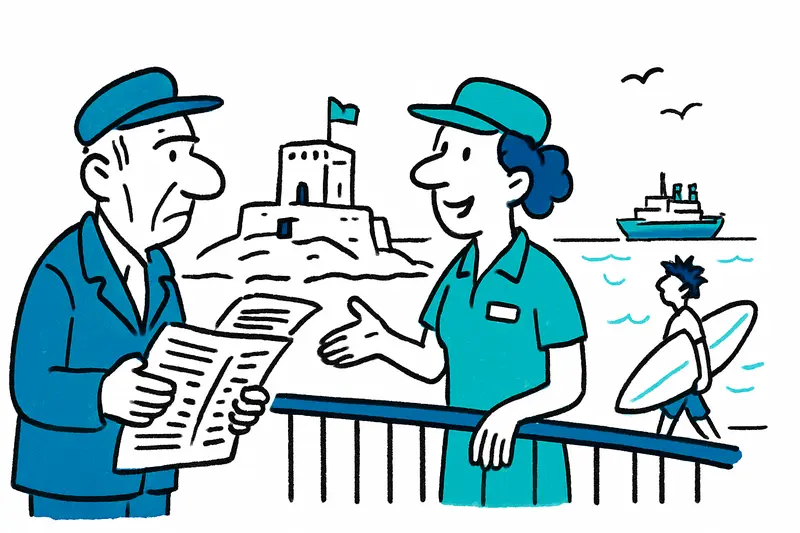
Fort San Carlos: Museum, Harbor Dispute — and a Conflict That Demands Answers
The military museum at Fort San Carlos sits right on Palma's harbor, with unexpectedly quiet rooms filled with cannons a...
Old Town Under Pressure: When a Doorway Becomes a Sleeping and Shower Place
For months a woman has been living with a parasol, a clothes rack and personal belongings next to the social welfare off...
When Shopping Weighs Heavier: Mallorca Demands a Tax Pause on Food and Fuel
Rising prices are putting pressure on households and agriculture. The Balearic Islands are calling for temporary tax rel...
More to explore
Discover more interesting content

Can Cap de Bou

Townhouse Lleo 72
