
Ceiling collapses in Palma – who is liable for the safety of our homes?
Ceiling collapses in Palma – who is liable for the safety of our homes?
In Palma a mezzanine ceiling collapsed in an apartment and the building was evacuated as a precaution. What does this mean for responsibilities, maintenance and heat-related damage to buildings?
Ceiling collapses in Palma – who is liable for the safety of our homes?
Key question: How well are the small residential buildings in Palma protected against age, heat and neglected maintenance, and who must intervene before something worse happens?
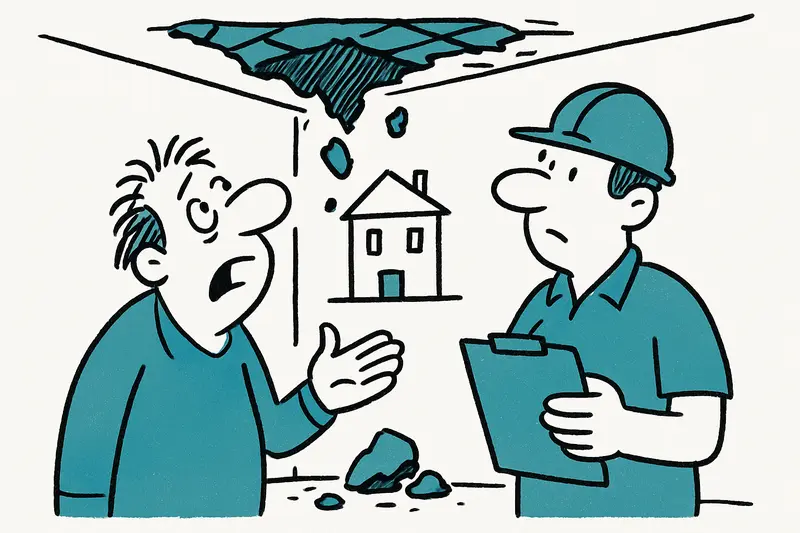
On Saturday midday the intermediate ceiling of a room in a second-floor flat of a three-storey building in Palma partially collapsed. Emergency services – the fire brigade (Bombers de Palma), the Policía Local and the emergency medical service 061 – were on site, as in other incidents such as the ceiling collapse at Plaza de l'Olivar. Fortunately no one was injured, but residents were led outside as a precaution, the building was secured and inspections were carried out. The affected room and the terrace above it were cordoned off; municipal technicians and the fire brigade are to carry out detailed checks.
The facts are simple: damage to an intermediate ceiling, quick response by emergency services, no injuries, temporary evacuation. The explanation currently circulating – thermally induced expansion of the steel reinforcement, detachment of the plaster and resulting partial collapse – sounds plausible. But that is only the surface of a larger problem.
Critical analysis
Palma has many old buildings and small terraced houses built in ways that are sensitive to moisture, temperature fluctuations and lack of maintenance. A single detached layer of plaster is often only the visible result of years of neglect. If steel reinforcements expand due to heat, that indicates that the concrete envelope has cracks or is corroding – and that cannot be fixed with a one-off repair.
There is also often a lack of clear responsibility. In Spain many buildings are organised through the comunidad de propietarios; decisions about repairs require majorities, funds and expertise. Small renter households do not always know whom to call, and landlords tend to postpone investments, and high-profile cases like the rooftop terrace collapse at Medusa Beach have raised similar questions about legal and administrative responsibility. The result: localised damage spreads.
What is often missing from public discourse
We talk about acute operations – the sirens, people spilling onto the street and the cordons – but not enough about prevention. Public debates rarely address how climatic changes such as more frequent heat days attack the fabric of old buildings. There is also a lack of easily accessible offers for inexpensive, independent inspection reports (some cities have such programmes, on Mallorca they are still sporadic, and incidents such as the partial collapse at the Baluard de Sant Pere show the problem).
In addition, the sequence of public authorities – fire brigade, municipal technicians, building control – while existing, often has to wait on each other in practice: the fire brigade secures, technicians inspect, building control decides. Time windows arise between these steps in which residents are uncertain and owners continue to neglect repair-needing risks, and such sequences have led to legal follow-ups, for example court hearings after the Medusa Beach terrace collapse.
A scene from Palma
Imagine the scene: Sunday on Passeig Mallorca, a café owner is still wiping tables, in the distance you hear the typical mix of motorcycle noise and voices at the market. Then sirens approach, and shortly after neighbours in T-shirts and flip-flops line up on the pavement, a cat mews distressed in a transport box, an elderly woman clutches her shopping bags closer to her body. Such moments show how quickly everyday life is interrupted – and how unprepared many households are.
Concrete solutions
- Create municipal risk lists: The city could prioritise buildings with certain characteristics (age, visible cracks, known moisture problems) and schedule regular inspections.
- Subsidised initial checks: An affordable, standardised inspection offer for municipalities and owners' associations would make many small defects visible early.
- Obligation to report for owners: A transparent duty to report major damage to the municipality and the comunidad de propietarios, combined with clear deadlines for repairs.
- Training and hotlines: Advisory services for comunidades and private owners that explain when reinforced-concrete elements are critical and which immediate measures apply.
- Neighbourhood emergency plans: Meeting points, responsible persons and short-term accommodation options so that evacuations do not descend into chaos.
Why this is also about the climate
Longer heat periods lead to stronger temperature gradients in building components, which can accelerate material fatigue. At the same time, salty winds and moisture on the coast trigger additional corrosion processes. Simply patching the visible layer of plaster does not solve the problem.
Conclusion: The incident in Palma was fortunately without injuries. Nevertheless it should be a warning: our city needs more systematic prevention, clearer responsibilities and affordable inspection offers. If we continue to look away from small defects, next time we may not only experience a shock but a true emergency. It is time for authorities, owners' associations and neighbourhoods to work together on prevention – before the sirens sound again.
Frequently asked questions
What should residents in Mallorca do if a ceiling suddenly collapses?
Who is responsible for home maintenance in a Mallorca apartment building?
Can heat damage ceilings and walls in Mallorca homes?
How can I tell if my Mallorca flat has structural damage?
Is it safe to stay in a Mallorca building after a partial ceiling collapse?
What are the most common maintenance problems in older Palma buildings?
Can Mallorca owners' associations arrange building inspections?
What should landlords in Mallorca do if tenants report damage to a ceiling?
Similar News

Rental Car Theft in El Arenal: What This Incident Reveals About Our Gaps
A teenager steals a running rental car in El Arenal, flees on foot, climbs over walls and is caught by the Guardia Civil...
Red Rope in Palma's Library: What Helps Against Selfie Tourism — and What's Missing
Palma's city library cordoned off an area with a red rope to keep selfie tourism away from reading and working activitie...
Fort San Carlos: Museum, Harbor Dispute — and a Conflict That Demands Answers
The military museum at Fort San Carlos sits right on Palma's harbor, with unexpectedly quiet rooms filled with cannons a...
Old Town Under Pressure: When a Doorway Becomes a Sleeping and Shower Place
For months a woman has been living with a parasol, a clothes rack and personal belongings next to the social welfare off...
When Shopping Weighs Heavier: Mallorca Demands a Tax Pause on Food and Fuel
Rising prices are putting pressure on households and agriculture. The Balearic Islands are calling for temporary tax rel...
More to explore
Discover more interesting content

Can Cap de Bou

Townhouse Lleo 72
