
Ryanair Boss Downplays Window Drama: A Reality Check from Mallorca
Ryanair Boss Downplays Window Drama: A Reality Check from Mallorca
After the incident in which a passenger was partially pulled out of their seat when a window cracked, the Ryanair chief's apologies and downplaying strategy raise questions. A critical look at safety, communication and accountability.
Ryanair Boss Downplays Window Drama: A Reality Check from Mallorca
Guiding Question
How responsible is an airline's response when a fellow passenger is endangered on a scheduled flight by a broken window and the company CEO subsequently plays down the incident?
Critical Analysis
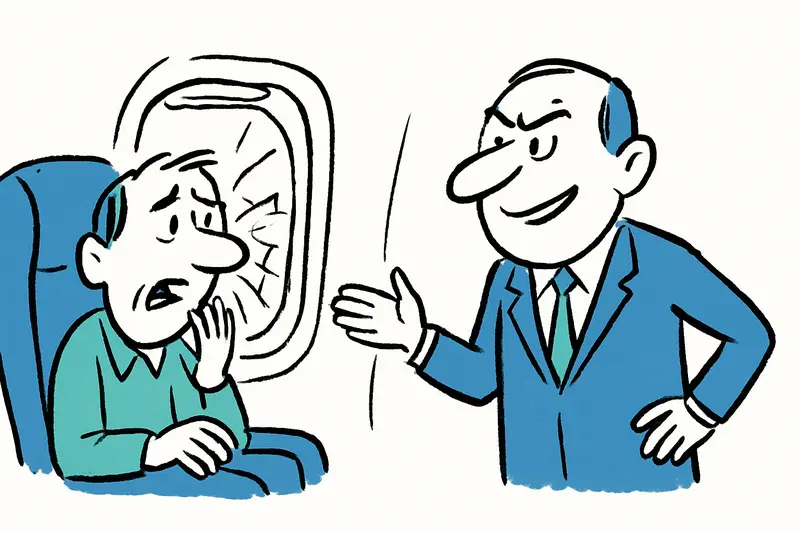
On July 10, a serious incident occurred on a European scheduled flight: a passenger at a window seat was affected by a sudden loss of pressure and had to be restrained by fellow travelers, as detailed in Crack in the window — what an aircraft defect means for Mallorca travelers. The man lost consciousness several times and apparently suffered severe physical and psychological strain. These facts are also a topic of conversation in Mallorca — on the Paseo in Palma, over a café cortado, people quietly discuss it while e-bikes beep in the background and the scent of the sea mixes with sunscreen in the air.
The head of the airline involved later spoke publicly and commented on the events in the media, a response that echoes broader disputes noted in Who Is to Blame? Dispute Between Ryanair and Air Traffic Control Causes Trouble in Palma. He offered an apology but also sought to relativize the situation: it was not as some had portrayed it. This mix of regret and downplaying is problematic. On the one hand it addresses the victim, but on the other it leaves important questions unanswered: Was it a material defect? When was the aircraft in question last inspected? Were there signs that should have been noticed earlier?
What Is Missing in the Public Debate
I find the following lacking in the responses so far: First, clear technical explanations for the window failure. Passengers deserve comprehensible information about whether this was a manufacturing defect, improper maintenance, or an unforeseeable isolated case. Second, independent investigation results. Internal statements from the airline are not enough to restore trust. Third, concrete support for those affected: medical follow-up, psychological help, and transparent information about compensation. And fourth, a look at working conditions: pressure on maintenance teams, scheduling, cost-cutting — all of this can indirectly increase safety risks; past incidents, including Frightening Seconds over Palma: Two Flight Attendants Injured, highlight the potential consequences.
Everyday Scene from the Island
Imagine a scene in Port de Sóller: families pack beach bags, a father checks boarding passes on his phone, children splash in the water. The conversation suddenly turns to safety issues with low-cost carriers — not abstractly, but with a touch of concern. Such conversations show that aviation safety is not a remote topic; it affects people here directly, many of whom commute regularly between Mallorca and the mainland.
Concrete Approaches
1) Independent investigation: The responsible aviation authority should commission an external, professionally transparent assessment and publish the findings. 2) Maintenance transparency: A minimum standard for publicly accessible maintenance data for passenger aircraft, at least at a regional level, so that affected communities and authorities can check whether maintenance intervals were observed. 3) Emergency training and equipment: Airline crews and ground staff must receive regular, documented refreshers for extreme scenarios; first-aid equipment aboard should be verifiable. 4) Strengthen passenger rights: Faster, binding regulations for medical and psychological aftercare following serious incidents. 5) Communication: Corporate representatives should clarify facts first and wait for findings, rather than attempting to soothe prematurely. Openness creates trust; downplaying breeds suspicion.
What Authorities and Travelers Can Do
Authorities must examine potential cost-pressure effects on maintenance and operations and, if necessary, tighten requirements. Travelers should not only share photos of damage but also report them to official bodies and consider legal steps if appropriate, as in local reports such as No boarding to Palma: Ryanair stops intoxicated passenger at Memmingen Airport. Those who fly regularly — many businesspeople and residents on Mallorca — should familiarize themselves with passenger rights and the proper documentation of incidents.
Concise Conclusion
A public expression of sympathy combined with downplaying does not replace thorough clarification. Anyone serious about ensuring safety must have the courage to be transparent. Mallorca needs clear answers, not soothing words.
Frequently asked questions
What happened on the flight with the broken window and why does it matter for Mallorca travelers?
Why is independent investigation essential after this window failure?
What kind of information should airlines share about the incident?
Should there be publicly accessible maintenance data to reassure communities, including Mallorca?
How should airlines handle communication after a serious incident to maintain trust?
What rights and support should passengers receive after a major in-flight event?
How might cost pressures in aviation affect safety, and what can Mallorca travelers watch for?
How can people in Mallorca stay informed and advocate for better aviation safety?
Similar News

Rental Car Theft in El Arenal: What This Incident Reveals About Our Gaps
A teenager steals a running rental car in El Arenal, flees on foot, climbs over walls and is caught by the Guardia Civil...

Red Rope in Palma's Library: What Helps Against Selfie Tourism — and What's Missing
Palma's city library cordoned off an area with a red rope to keep selfie tourism away from reading and working activitie...

Fort San Carlos: Museum, Harbor Dispute — and a Conflict That Demands Answers
The military museum at Fort San Carlos sits right on Palma's harbor, with unexpectedly quiet rooms filled with cannons a...
Old Town Under Pressure: When a Doorway Becomes a Sleeping and Shower Place
For months a woman has been living with a parasol, a clothes rack and personal belongings next to the social welfare off...
When Shopping Weighs Heavier: Mallorca Demands a Tax Pause on Food and Fuel
Rising prices are putting pressure on households and agriculture. The Balearic Islands are calling for temporary tax rel...
More to explore
Discover more interesting content

Can Cap de Bou

Townhouse Lleo 72
