
No boarding to Palma: Ryanair stops intoxicated passenger at Memmingen Airport
In the afternoon a woman at Memmingen Airport was denied boarding a Ryanair flight to Palma. The incident raises questions about responsibility, safety rules and practical solutions for stranded holidaymakers.
Incident at Allgäu Airport: Who decides on boarding?
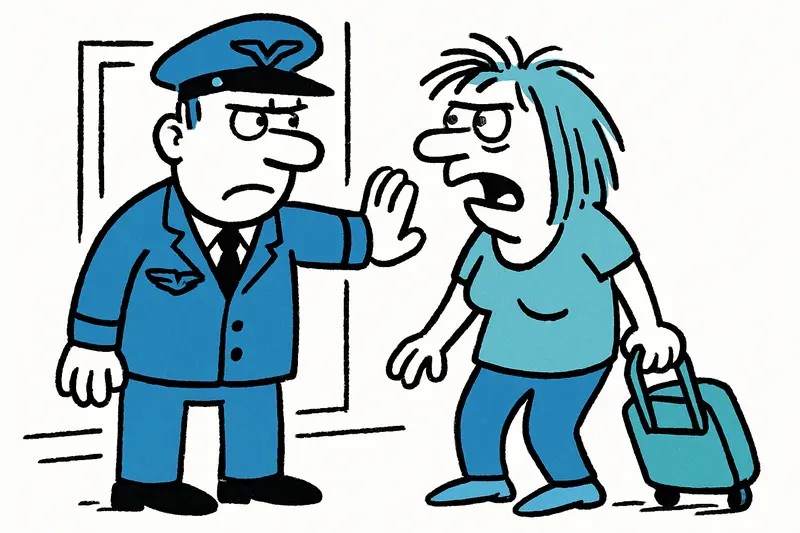
Late Thursday afternoon, beside Gate A12, the activity in the departure hall briefly grew loud: voices, footsteps, the clatter of trolley wheels and noticeably raised pulses among some waiting passengers. A Ryanair crew member pulled a woman back from the boarding area. The pilot had apparently refused to let her board – citing rules that prohibit transporting obviously intoxicated travellers.
For the woman, the journey to Mallorca ended before take-off. Some passengers took photos, others sipped their coffee more slowly, as if waiting for a scene from a film that cannot be removed from everyday life. Security staff intervened, there followed short, clear instructions. Then the woman went to the Mindelheim police station to complain. The officers explained calmly: the decision on carriage is made by the airline.
The central question: safety or service – who has the final say?
That is the core question this incident raises: who bears responsibility when a guest remains at the gate instead of flying? For crew and captain the answer is clear: safety comes first. In practice this means a captain can refuse passengers for safety reasons. For those affected it is annoying to existential – especially in summer, when connections to Mallorca are tight and each missed flight costs holiday days, as described in a report on delayed arrivals in Palma.
Little examined is how such decisions are made on site: What specific criteria apply to being “obviously intoxicated”? Who documents this, and what alternatives does the airport offer to stranded passengers? With high passenger numbers like in the summer 2025 schedule at Allgäu Airport, these individual cases quickly become organisational problems.
Consequences that are hardly discussed
When someone is denied boarding, hours of uncertainty often follow: rebook or organise a return journey? Costs for a new ticket, hotel nights, missed holiday or work days. The police on site cannot necessarily intervene legally, and the airline refers to its conditions of carriage. That is correct – but of little help to the person suddenly left without a flight.
The relationship between security staff and passengers is particularly sensitive. Non-violent de-escalation requires trained staff, time and usually a calm environment. At the gate, with announcements, rolling suitcases and blazing afternoon heat – that is difficult. This shows that prevention and process management before the gate matter more than mere rule compliance.
What is often missing from the public debate
More often there is reporting of headlines than of practical solutions. There is a lack of binding procedures for the case that a passenger is not carried: Where can they complain? Who assists with onward travel? Is there a plan for support services at airports with many holiday flights to Mallorca, where recent Ryanair hand luggage checks at Palma Airport have highlighted operational tensions?
Another seldom-discussed point: alcohol service in the terminal. In some departure areas bars and duty-free outlets are an attraction. For people about to start their trip this is a double temptation – but for staff it is a risk. A balance between service and prevention would be sensible here.
Concrete approaches instead of shrugs
There are practical solutions, some inexpensive, others requiring organisation: better information signs at check-in and gates about alcohol rules; early alcohol checks at check-in instead of only at the gate; fixed protocols for documenting incidents; priority service points for affected passengers with information on rebooking, hotels and taxi prices.
Training for crew and security in de-escalation and communication can also reduce tensions. Small measures like immediately available information material in German, English and Spanish would help many people who suddenly find themselves with nothing – and spare Mallorca holidaymakers embarrassing, avoidable situations.
Looking to Mallorca and beyond
For travellers the simple rule remains: arrive at the gate sober and have all documents ready. That saves trouble, a missed ferry or a rushed taxi back into town. For airports and airlines, however, the incident in Memmingen is a small wake-up call. In the busy summer schedule with daily connections to Palma, boarding must not only run smoothly but also handle exceptions.
In the end it's about trust: travellers want to reach their destination safely and predictably, staff want to take responsibility without abandoning people who find themselves in a difficult situation. A few clear rules, better communication and pragmatic support offers could build the necessary bridge – so that Mallorca holidays begin where they should: relaxed and without incident.
Tip from the editors: If you're flying from Memmingen to Palma, check your digital boarding rules for Mallorca, backpack – and your drink before the gate twice.
Frequently asked questions
Can an airline refuse boarding if a passenger appears intoxicated?
What happens if you are denied boarding for safety reasons on a Mallorca flight?
Can airport police force an airline to let a passenger board?
What should I do before flying to Mallorca to avoid boarding problems?
Are there special boarding rules for Ryanair flights to Palma?
What is the best time of year to fly to Mallorca without heavy airport stress?
What can I do if I miss my Mallorca flight because of a boarding refusal?
Does Palma Airport have to help passengers who are left behind at the gate?
Similar News
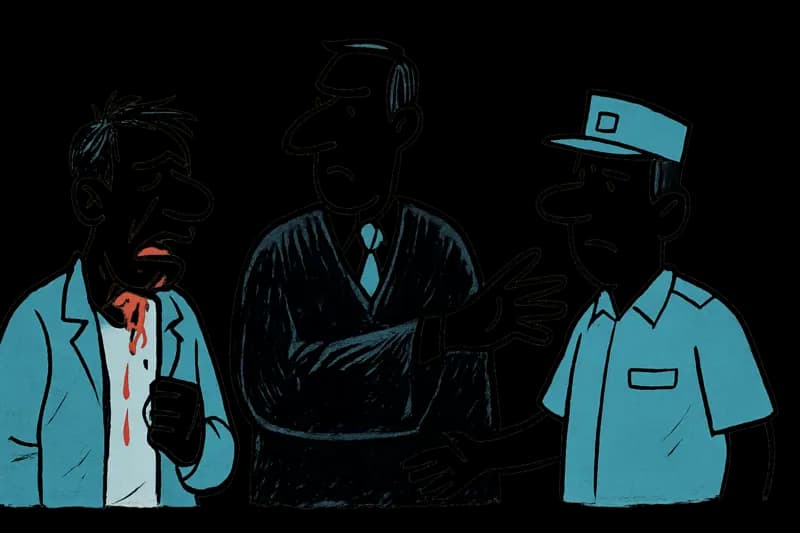
Release after bloody attack in Palma: Why the court's decision raises questions
An 18-year-old who allegedly inflicted a serious neck injury on a man at Plaza Gomila using a wristwatch wrapped around ...
Kidnappings in Inca: Three young men forced into car trunks and abused in the forest – a reality check
In Inca, three 18-year-old men were forced into car trunks by masked assailants at the Plaça des Bestiar, taken to a for...
Spreading Massification: The Brake That Still Has Much Work to Do
Marga Prohens announces limits on volume tourism. The measures sound harsh — but are they enough to save everyday life, ...
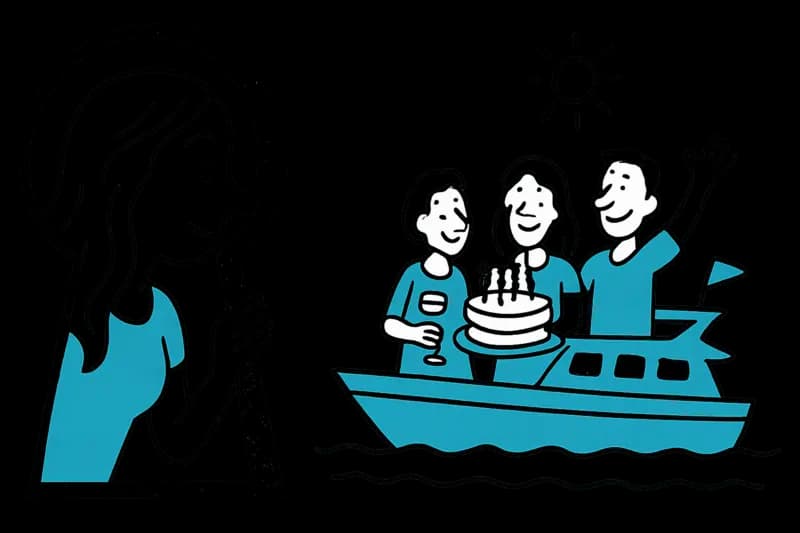
Through the Keyhole onto the Party Yacht: How Daniela Katzenberger Is Planning Her 40th on Mallorca
Daniela Katzenberger turns 40 and wants to celebrate it on the island — likely with a boat, cake and her mother. A relax...
By Boat Instead of the Road: Palma's Water Bus — a Reality Check
The 'Bus Nàutic' launches in two stages — but questions remain over interim operations, fares and environmental requirem...
More to explore
Discover more interesting content

Can Cap de Bou

Townhouse Lleo 72
