
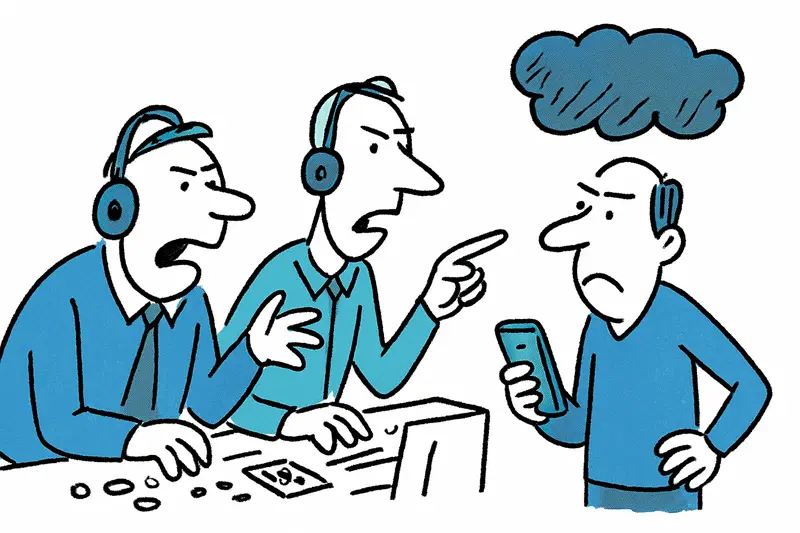
Who Is to Blame? Dispute Between Ryanair and Air Traffic Control Causes Trouble in Palma
An anonymous post by an air traffic controller has reignited the debate over responsibility for flight delays. In Mallorca travelers feel the impact — but the question remains: the airline, air traffic control, or politics?
Who Is to Blame? Dispute Between Ryanair and Air Traffic Control Causes Trouble in Palma
In recent days an anonymous entry on a pilots' forum has turned into a tangible conflict: an air traffic controller criticizes the public attacks by Ryanair's chief Michael O'Leary on air traffic control, as discussed in Ryanair vs. Aena: When an Airline Dispute Lands on Mallorca. On Mallorca this is more than online anger – at Palma airport people discuss questions of blame in parking lots, at kiosks and in taxis while the departure boards keep ticking.
Key question: Who is responsible when a flight is delayed?
There is no simple answer. Behind every delay lies a web of layers, slots, staffing plans and technical requirements. Controllers say their main task is safety and an orderly flow of traffic. Airlines complain about lost slots, tight time windows and economic pressure. Politicians hear echoes from both sides and stand between passengers who want quick answers and an operation that has very little flexibility.
What rarely gets the spotlight
Less noticed is how much communication itself can contribute to escalation. A push notification in an airline app that vaguely cites ‘staff shortages in air traffic control’ sounds to affected customers like a clear accusation of blame, similar to reports during recent ground staff action Strike by Ryanair Ground Staff: Why Palma Airport Has Remained Calm So Far — and What That May Hide. For controllers, it is a public allegation against their profession — and for ground staff, baggage handlers and shuttle drivers in front of the terminal it is just another early-morning disorder.
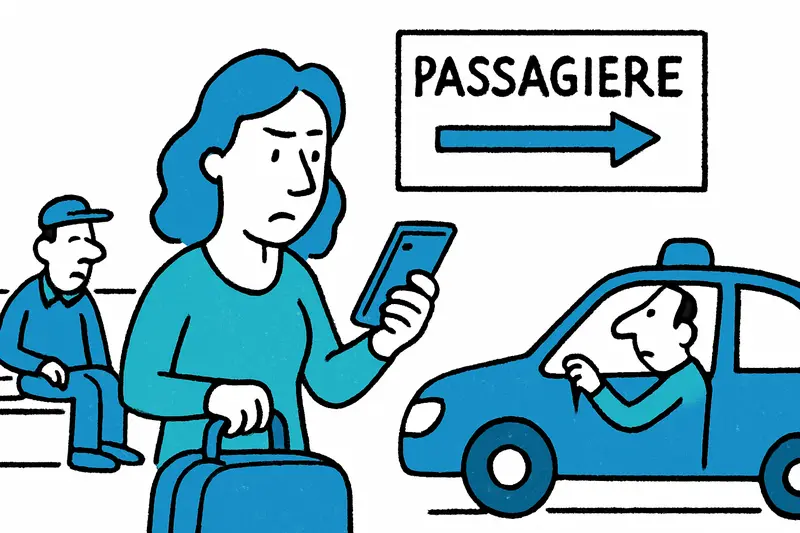
On Mallorca the everyday picture looks like this: families dropped off early on the short-term parking in front of the terminal stare at their phones. Voices at the kiosk next to the departures hall mix practical tips with a hint of outrage: "Who is to blame now?" we hear, between the hum of the air-conditioning and the click of rolling suitcases.
The technical and legal background
In aviation, slots, prioritizations and safety rules are not mere add-ons but operating tools. Slots are coordinated to distribute capacity at airports and in airspace; when staffing does not match demand, delays occur and chain reactions follow, as seen during recent threats of walkouts Ryanair Strike Hits Palma: How Big Is the Threat to Holidays and the Island's Economy?. The problem worsens at peak times: summer, holiday changes, or adverse weather. On the island this quickly leads to economic consequences because late arrivals disrupt tourism logistics.
The human side in the control tower
Behind the screens sit people working long shifts with high responsibility. One controller wrote anonymously that constant public accusations not only hurt but also strain the working atmosphere. That may sound like an insider cliché, but for those who plan shifts and guide aircraft on safe paths, concentration and trust in the tower are not accessories, a situation mirrored in reports from Son Sant Joan Ryanair Strike: Son Sant Joan Between Chaos and Negotiation Interludes.
Concrete consequences for Mallorca
When flights arrive late, it is not just an annoyance for holidaymakers. Rental cars are handed over later, transfers are rescheduled, hotel staff must be more flexible. Small businesses — taxis at the airport, kiosks on the departure level — feel such shifts immediately. On an island heavily dependent on tourism these effects quickly add up to noticeable friction losses.
What would help: five pragmatic steps
1) Transparent, standardized messages: Instead of vague accusations of blame, airlines and air traffic control should agree on a neutral, clear information chain. A phrase like 'Delay due to airspace traffic coordination' helps more than a finger-pointing push notification.
2) Local crisis plans: Airports like Palma could rehearse fixed emergency protocols with airlines and controllers — including customer information on the ground and extra staff for transfers at peak times.
3) Joint shift and slot reviews: Short-term capacity bottlenecks can often be avoided with better coordination, for example flexible reassignment of slots or reserve windows during high season, as discussed after long delays elsewhere Hours on Board: Ryanair Shock at Cologne/Bonn — Who Pays for Delayed Arrivals in Palma?.
4) Investment in staff and infrastructure: Politically difficult in the short term, but crucial in the medium term. More training places for controllers and modern technology in control operations would relieve everyone.
5) Regional mediation: A mediation office at island or regional level could quickly examine facts and dampen public accusations before they escalate.
A sober outlook
The public confrontation between an airline CEO figure and air traffic control is louder than the daily negotiations that keep an airport running. In Mallorca we notice it in the small inconveniences — at the kiosk, in taxis and at baggage claim. Blame assignments in apps bring short-term PR, but no long-term solutions.
Conclusion: Safety and punctual operations require more than Twitter battles. A little more restraint in words and more action in cooperation would help all of us sleep more peacefully at Palma airport — and get holidaymakers faster under Mallorca's sun.
Frequently asked questions
Why are flights delayed at Palma airport so often during busy travel periods?
Who is responsible when a Ryanair flight to Mallorca is delayed?
What should passengers at Palma airport do if their flight is delayed?
How do airport delays affect holidays in Mallorca?
Why do airlines and air traffic control sometimes blame each other for delays?
Is Palma airport more affected by delays in the summer?
What can Mallorca airports do to reduce flight delays?
How should airlines communicate delays to passengers in Mallorca?
Similar News
Why the Striped Breams in Cala Pí Should Be a Wake-up Call
Once again bathers in Cala Pí were surrounded while swimming by small, nippy fish — some wounds bled. Time for clear rul...
Daily from New York: How Palma's Air Traffic Is Growing — and What Must Change
United will increase the Newark–Palma service to daily flights in 2027 (Boeing, 231 seats). Strong tourist numbers clash...

When Love Ends in Shards: Destruction in Son Vida and the Questions That Remain
In Son Vida a relationship dispute escalated: a woman destroyed furniture in a luxury villa, later pressed a panic butto...
Who Bears the Burden? Mallorca Between Tenant Protection and Landlord Fears
Madrid's new housing decrees strengthen tenant rights — but on Mallorca concern is growing: will the law drive small lan...
On the Edge: What Mallorca's Airport Loses If a Major Low-Cost Carrier Falters
The company that operates numerous connections from Palma to France and domestically is negotiating with creditors to re...
More to explore
Discover more interesting content

Can Cap de Bou

Townhouse Lleo 72
