
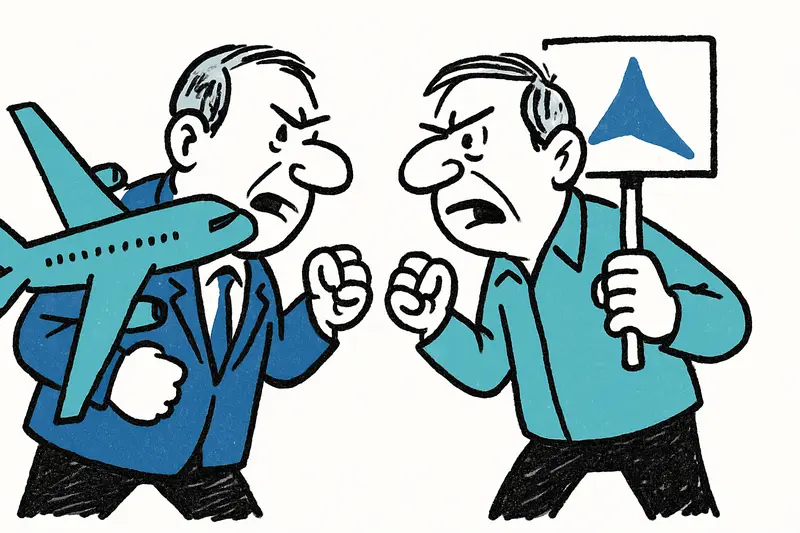
Ryanair vs. Aena: When an Airline Dispute Lands on Mallorca
Ryanair is cutting seats and pulling back from some regional airports — Aena replies with figures. What does this mean for Mallorca, for taxi drivers, hotels and the off-season? An analysis with concrete proposals.
When two big players clash — and the island listens
At Son Sant Joan airport daily life still looks normal: rolling suitcases, the coffee machine hissing in the terminal café, the sea glinting above Palma's rooftops. But behind the scenes a conflict between Ryanair and Aena is simmering that can affect people on Mallorca beyond the numbers on paper. The key question is: Will Palma remain unaffected — or does the island have more to lose than it first appears?
What is it about, specifically?
Ryanair has announced that it will cut more than one million seats in Spain in the upcoming winter schedule, as reported in Ryanair Cuts Winter Flights — a Warning Signal for Mallorca and reduce its presence at several regional airports. Aena counters with detailed cost and investment figures: airport charges are in the mid-range for Europe, many projects are financed by Aena itself, and the additional handling costs per passenger cannot simply be extrapolated. On Mallorca the planes are still operating for now — but the debate reveals a structure with sensitive edges.
What is often missing in the public debate
People usually hear about fare tables and seat capacities — but rarely ask: How do such decisions affect the entire value chain, as explored in Ryanair threatens further cuts – How at risk is Mallorca?? Taxi drivers at the airport, small hotels in Cala Mayor, bus companies, seasonal temps in service roles: they are all vulnerable links. At gate B12, where I waited recently, two taxi drivers chatted between espresso cups and the scent of sunscreen about how a few cancelled connections can mess up the weekend transfer schedule. This isn’t an abstract numbers game, it’s everyday life.
The parties' arguments — brief and critical
Ryanair: Higher fees, poor support for regional locations, low economic attractiveness of certain routes.
Aena: Charges are not above average, cost structures are transparent, investments are largely self-financed and not necessarily locally effective.
Both sides are right — but neither is fully engaging with the other. Ryanair measures profitability by short-term ticket margins. Aena views infrastructure as a long-term asset. The gap between them leaves the region in uncertainty.
Concrete risks for Mallorca
For Palma itself the situation is more stable than for small Spanish airports. Yet there are downsides: 1) Concentration risk — if airlines consolidate routes, dependence on a few carriers increases. 2) Seasonality — a winter reduction hits the off-season, when many freelancers and small businesses need to survive. 3) Domino effects — fewer flights mean fewer transfers, fewer restaurant visits, fewer service jobs.
What is rarely discussed
The origin of investments: Ryanair invests in aircraft — not automatically in local maintenance hangars, catering companies or airport infrastructure. Also: slot management and capacity shifts are strategic tools. An airline can deliberately cut capacity to push down prices at other airports or to gain lobbying advantages. And finally: the political dimension. Subsidies, public service obligations and regional support programs are levers that have so far been applied inconsistently.
Concrete opportunities and approaches
The problem can be solved — if politics, airports and regions cooperate pragmatically. Proposals:
1. Use public service obligations (PSOs) selectively: Public contracts for essential connections in the off-season could reduce supply risks. Not everything must be subsidized, but key routes should be.
2. Diversify the airline mix: Regions should actively attract smaller carriers and charter companies instead of relying solely on low-cost giants.
3. Integrate the local economy more strongly: Increase the share of value added at the airport — promote maintenance, catering and logistics so that airline investments have more local impact.
4. Transparent data sharing: Municipalities need better traffic and booking data to react in time. Early warning systems for capacity changes would be useful.
5. Extend the season as protection: Regions should focus more on year-round products — conferences, health tourism, long-stay offers — to close winter gaps.
A local view: Small taxis, big worries
On the way from the terminal to the city you hear engines, the clatter of suitcases and the distant sound of the sea. Taxi drivers, hoteliers and boat renters don’t look at Aena reports — they look at bookings. A reduced winter flight schedule is quickly felt by them. Politicians and industry representatives should now create planning certainty together before short-term decisions become the new normal.
Conclusion — more than an exchange of blows
The dispute between Ryanair and Aena is not just a balance sheet issue. It is a stress test for the resilience of our island economy. Palma may still be flying calmly today, but the political response, the diversification of offerings and the linking of infrastructure with local policy will decide whether such a conflict bounces off Mallorca — or sticks to the small towns. It is time to pull local levers instead of just staring at central figures.
Frequently asked questions
Will Ryanair flight cuts in Spain affect Mallorca this winter?
Why do airline disputes matter to Mallorca beyond cheaper tickets?
Is Palma de Mallorca airport likely to stay stable despite the Ryanair and Aena conflict?
How can fewer winter flights affect Mallorca’s off-season economy?
What can Mallorca do if an airline reduces routes or capacity?
Are airport charges in Spain unusually high for airlines like Ryanair?
What parts of Mallorca’s tourism sector feel flight cuts first?
Does Mallorca need more year-round tourism to reduce airline risk?
Similar News

Rent explosion in the Balearic Islands: Why prices rose so sharply between 2020 and 2025
New data from the Observatori show: the average rent for new contracts in the Balearic Islands was €1,390 in 2025 — almo...

First Day, First Consequences: What Palma's Rent Freeze Really Means
A new decree stops a planned eviction in Palma — but what really changes for tenants and landlords? A reality check with...

When Housing Becomes a Matter of Survival: Mallorca Between Rental Frenzy and Everyday Life
The case of 87-year-old Maricarmen showed that on Mallorca many people's lives are poised between affordable and uninhab...
Autumn in Mallorca: When Melancholy Gets a Window
Why autumn quietly tightens here — and how to make use of the mood: walks, culture, candles and the light from Palma to ...
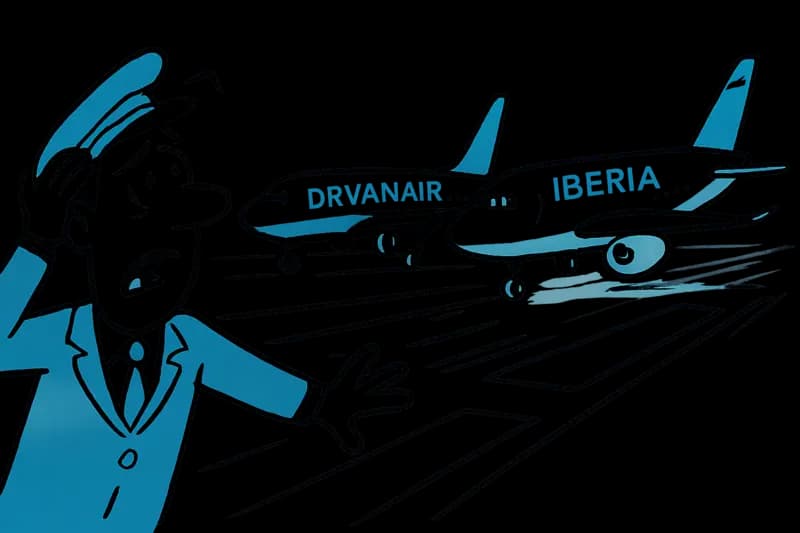
Near-miss on Lanzarote: Landing Ryanair Jet and Iberia Takeoff — what really went wrong
On Lanzarote there was a dangerous incident: A Ryanair flight (FR5910) from Dublin landed on runway 03 while an Iberia E...
More to explore
Discover more interesting content

Can Cap de Bou

Townhouse Lleo 72
