
Ryanair Cuts Winter Flights — a Warning Signal for Mallorca
Ryanair is massively reducing capacity on regional routes in Spain for the coming winter season. What does this mean for Palma, hoteliers and taxi drivers in the low season? A look at consequences, underrated risks and concrete steps Mallorca could take.
What does Ryanair's withdrawal mean for Mallorca?
The headline is stark: the low-cost carrier is shifting around one million seats away from many regional airports in Spain this coming winter, according to a report on Ryanair's winter cuts in Spain. At first glance this mainly hits smaller towns on the mainland. On closer inspection, however, Mallorca is affected — and noticeably so.
The key question
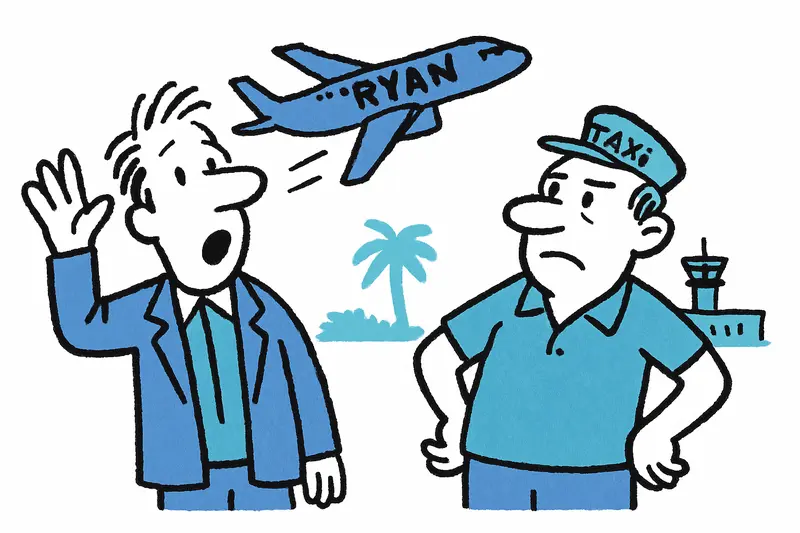
Will the island become a supporting act if connections from the mainland become scarcer? That is the real question being asked now, not only in the backrooms of the tourism industry but also in cafés along the Passeig. On a windless morning I asked a taxi driver at the airport. He shrugged and said, “You don’t notice it in summer. But the low season lives off these connections — and they are thin.”
Analysis: why Ryanair cuts — and why it reaches us
The airline cites Aena fee increases and weak load factors at regional airports as reasons, as noted in a report on risks to Mallorca. It is clear: low-cost carriers’ business models work where margins are right. Where they aren’t, capacities are consolidated. For Mallorca this concretely means: fewer direct connections to destinations like Zaragoza or Seville, and possibly fewer onward connections from the mainland.
That has several effects. In the short term, you feel reduced flexibility for business travelers and spontaneous short breaks. In the medium term, a smaller supply can push prices up — not only at Ryanair, but also among competing airlines trying to serve profitable routes. And in the long term there is a risk of network fragmentation: usually only the major hubs remain stable, while regions in between lose reachability.
Who is hit — and what is being overlooked?
At first glance, regional airports, their employees and the small hotels nearby lose out most. Less noticed is that Mallorca’s economy is deeply interconnected: caterers, bus companies, transfer operators and even local supply chains at the airport depend on stable flight connections. When fewer flights arrive, the effects add up. A small restaurant in Inca that lived off day-trippers in November can quickly come under pressure.
Another often overlooked point: displacement effects. Passengers look for alternatives — other airlines, other airports, other travel times. That can temporarily change traffic patterns on Mallorca’s roads, for example more rental-car traffic in the low season, and in the long term alter the island’s target-group structure.
Concrete opportunities and solutions
Complaining alone is not enough. Politicians, airport authorities and the industry must take action. Possible steps:
1) Fee flexibility: seasonal or targeted relief for routes with high regional value, instead of blanket increases.
2) Incentive models: short-term launch bonuses for new routes tied to sustainability or load-factor targets.
3) Better connections: expansion of rail and bus links on the mainland so Mallorca remains reachable even with fewer direct flights.
4) Cooperation instead of competition: islands and regions could negotiate joint offers rather than each facing big airlines alone.
A pragmatic look ahead
Whether the cuts in winter will be noticeable for most travelers depends on negotiations, ticket sales and demand in the low season. For travelers: book more flexibly, compare connections, plan ahead. For the island: don’t wait until the taxi driver on the Passeig says the seasons have shifted. Now is the time for talks — quietly in the airport authority building, loudly in politics and clearly on the counters of bars in Santa Catalina, as local coverage outlines what Ryanair's cuts mean for Mallorca.
One small consolation: As long as the seagulls cry over the airport and the coffee machine in arrivals is running, Mallorca remains reachable. But whether it will be as before — that is the question.
Conclusion: Ryanair’s move is more than a pure route optimization. It is a warning sign for the vulnerability of regional networks — and a call to decision-makers to find creative, quick solutions so the island does not fall by the wayside in quieter months.
Frequently asked questions
How will Ryanair’s winter cuts affect travel to Mallorca?
Will flights to Mallorca be more expensive this winter?
Is it still easy to get to Mallorca in the low season?
Who in Mallorca is most affected by fewer winter flights?
What should I do if my Mallorca flight is on a cut route?
Why do Ryanair cuts in Spain matter for Mallorca if the island is not the main target?
Which Mallorca areas could feel the loss of winter flight traffic most?
What can Mallorca do to reduce the impact of winter flight cuts?
Similar News

Why the Striped Breams in Cala Pí Should Be a Wake-up Call
Once again bathers in Cala Pí were surrounded while swimming by small, nippy fish — some wounds bled. Time for clear rul...

Daily from New York: How Palma's Air Traffic Is Growing — and What Must Change
United will increase the Newark–Palma service to daily flights in 2027 (Boeing, 231 seats). Strong tourist numbers clash...

When Love Ends in Shards: Destruction in Son Vida and the Questions That Remain
In Son Vida a relationship dispute escalated: a woman destroyed furniture in a luxury villa, later pressed a panic butto...

Who Bears the Burden? Mallorca Between Tenant Protection and Landlord Fears
Madrid's new housing decrees strengthen tenant rights — but on Mallorca concern is growing: will the law drive small lan...
On the Edge: What Mallorca's Airport Loses If a Major Low-Cost Carrier Falters
The company that operates numerous connections from Palma to France and domestically is negotiating with creditors to re...
More to explore
Discover more interesting content

Can Cap de Bou

Townhouse Lleo 72
