
Evasive Maneuver Over Stockholm: When a Collision Warning Onboard Endangers Lives
In June 2025 a Mallorca–Stockholm flight had to climb suddenly because of a collision warning. A flight attendant broke her leg in the process. Why such maneuvers can spiral out of control — and what might be missing now.
Evasive Maneuver Over Stockholm: When a Collision Warning Onboard Endangers Lives
Key question: How safe is the cabin when the aircraft suddenly performs an evasive movement?
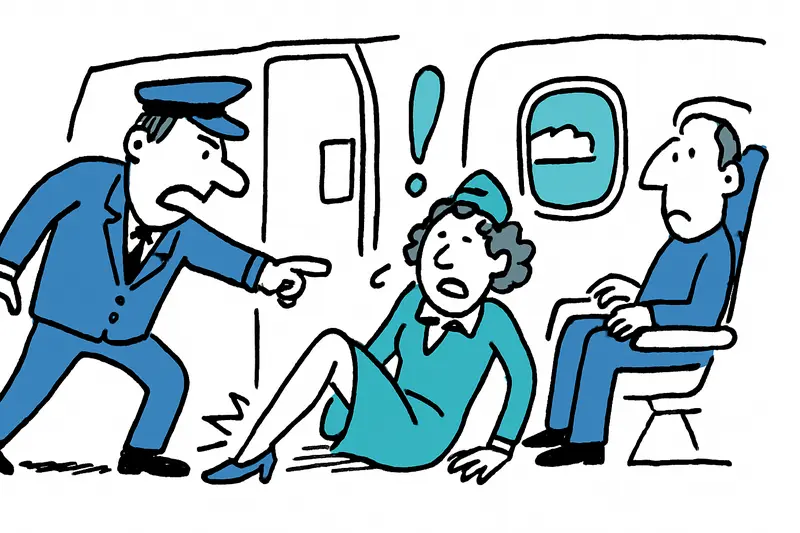
On 18 June 2025, a flight from Palma to Stockholm Skavsta triggered a situation that resonates here on the island: a collision avoidance system demanded an immediate climb from the crew, the pilots complied — and a flight attendant on board was so seriously injured that she broke her leg. 125 people were on the Boeing 737-800; the aircraft landed safely in Skavsta about 16 minutes later. The Swedish Accident Investigation Authority has classified the case as an aviation accident.
Technically this is a known mechanism: automated collision avoidance systems (TCAS) give clear instructions to pilots, which must be followed within fractions of a second. An abrupt climb during final approach quickly changes attitude, acceleration and cabin forces; other abrupt approach events have occurred locally, for instance Heart-stopping moment over Son Sant Joan: Why the Eurowings plane climbed again. Anyone not strapped in, walking down the aisle or serving drinks is particularly at risk, as shown by Frightening Seconds over Palma: Two Flight Attendants Injured.
Critical analysis: the incident is not solely the system's fault. It reveals a weakness in the interaction between aviation technology, military airspace management and cabin safety. This extends beyond approaches to other sudden operational events, such as Aborted Takeoff in Basel: Panic on Board – and What It Means for Mallorca Travelers. Military jets that depart from or must transit the same area increase the risk of conflicts near civil approaches. When an automated system then demands an immediate counteraction, people inside the cabin are caught unprepared.
What has been missing so far in the public debate: first, responsibility for airspace coordination. How are military operations and civil arrivals and departures reconciled? Second, how can internal cabin risks be minimized without stifling routine on board? Third gap: transparency. Investigations are important, but the public and those affected need clear information on the measures taken — and who is liable for injuries.
A small everyday scene from home: I stand on a windy morning in Palma at the Plaça Major, hear the distant drone of engines, see travellers roll by — some hurried, some holding a coffee. When I see the airport lights along Passeig Mallorca in the evening, I realise: flying is normal here. That same normality must not mean that people in the aisle of an aircraft are put at risk "incidentally."
Concrete solutions that urgently need discussion now:
1) Better civil-military coordination: NOTAMs and operational agreements between military flight plans and civil routes must be more tightly coordinated. In densely trafficked approach sectors like those around Stockholm and Palma, forward-looking time windows are needed so conflicts can be avoided.
2) More precise rules for final approach: ATC procedures should define how to deal with suddenly appearing military air movements. This also concerns deadlines within which a civil approach can still be safely corrected.
3) Rethinking cabin safety: For critical flight phases it should be examined whether clearer announcements and stricter enforcement of seatbelt rules are necessary — for example, reinforced seatbelt requirements already at the start of the final approach. Airlines could also train emergency drills for abrupt climbs more frequently so crew and passengers know how to behave in seconds.
4) Technical and ergonomic adjustments: Improved securing solutions for empty trolleys in the aisle and galley, handholds with better damping and portable harnesses for crew members could reduce injuries during sudden maneuvers.
5) Clear rules on investigation and compensation: Transparency of investigation results is important. Affected crew members must have quick access to medical care and compensation pathways; airlines and insurers have a duty here.
My pointed conclusion: technology saves lives — which is precisely why it requires maintenance and oversight. A system that automatically forces pilots into evasive maneuvers is sensible. But the people inside the aircraft must not become the unintended victims of such decisions. On Mallorca, between beach cafés and check-in queues, the debate must arrive now: how do we protect crew and passengers when seconds count?
In the end, what is needed are not simple accusations, but concrete changes: closer civil-military coordination, stricter cabin rules during critical flight phases and faster, transparently communicated investigations. Only then will flying remain not only convenient for us on the island — but reliably safe.
Frequently asked questions
How safe is it to fly from Mallorca if a plane has to make a sudden evasive maneuver?
Why are flight attendants more exposed to injury during sudden aircraft movements?
What should passengers do during final approach on a flight to Mallorca?
Are sudden climbs or go-arounds dangerous for people on board?
What does TCAS do on a commercial flight from Mallorca?
Why does military airspace matter for flights near Mallorca?
What kind of cabin rules help prevent injuries during sudden flight maneuvers?
What should Mallorca travelers know if a flight crew member is injured during a flight?
Similar News
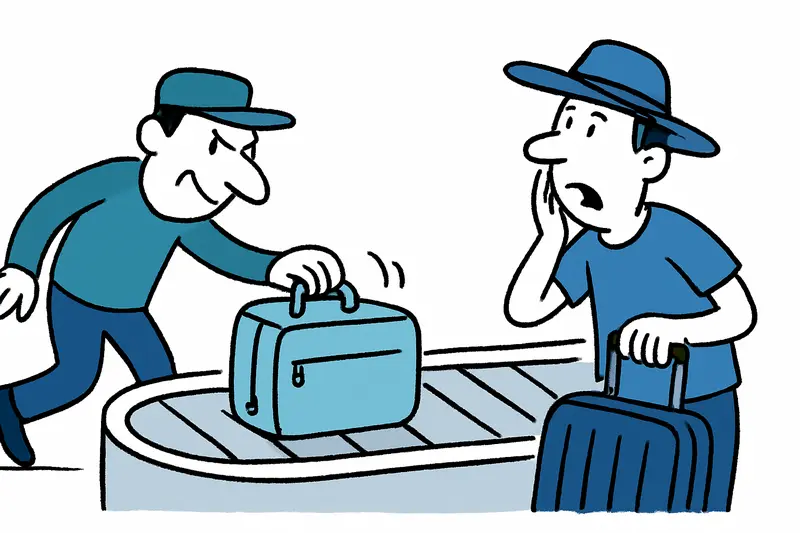
New trick at Palma Airport: suitcase stolen from the belt — a reality check
On September 28 a 36-year-old allegedly stole a suitcase from the baggage belt of a 51-year-old German passenger at Palm...
Urgent Clearing of Palma's Torrents: Flood Prevention or Symptom of Short-Sighted Planning?
The city of Palma is responding to storm forecasts and has cleared several torrents. We ask: Is the short-term clearing ...

Evaneos and Mexico: A Reality Check for Sustainable Travel
Travel advertising often reads like a promise: local, sustainable, unique. But how deep do these promises really go? A c...

From Megapark to the Altar: Party Singer Now Offers Weddings in Mallorca
A well-known party artist combines partying and marriage: instead of a traditional church there are ceremonies at the Me...
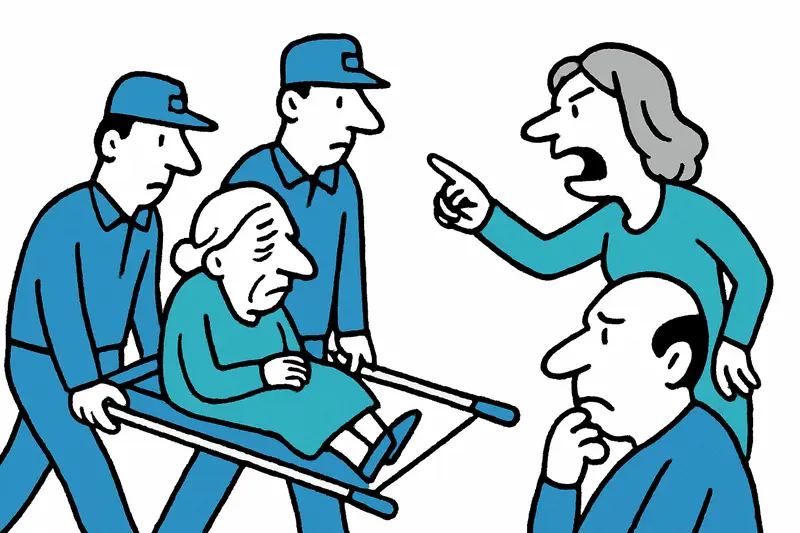
The Maricarmen Case: Why an Eviction Is Forcing Spain's Housing Debate
Images of an 87-year-old woman on a stretcher have sparked a debate in Spain that also runs deep in Mallorca. Who protec...
More to explore
Discover more interesting content

Can Cap de Bou

Townhouse Lleo 72
