
Can Malle hits really work in Hamburg? A reality check for the premiere of "ALLE LIEBEN MALLE"
Premiere at the Großmarkt: thousands of attendees, stars from the Megapark and long beer queues. Why the concept works — and where organizers urgently need to improve.
Can Malle hits really work in Hamburg? A reality check for the premiere of "ALLE LIEBEN MALLE"
Main question: Can the Ballermann feeling be transported one-to-one to the Elbe — or does island sound collide with North German infrastructure and weather?
Summary
At the Großmarkt in Hammerbrook more than 5,000 people gathered to see Mickie Krause, Julian Sommer, Lorenz Büffel, Heino, Oli P. and others. Atmosphere: present. Problem points: also present. Drizzle, long lines at the beverage counters and a liter of beer for €12.50 are among the impressions that linger. The experiment to bring a bit of Playa de Palma to Hamburg was bold — but not well planned.
Critical analysis
A festival with Ballermann artists is more than a playlist and colorful costumes. In Mallorca the feeling arises in combination with sun, beach, short distances and an infrastructure geared toward tourism: numerous taps, readily available service staff, clear routes and enough seasonal experience. In an urban hall or at a Großmarkt different rules apply: weather protection suddenly becomes important, walking and throughput paths are narrower, and the audience arrives with different expectations. The premiere showed exactly this difference: artistically much worked — the repertoire is tight, the mood transferred — but organizationally there were clear bottlenecks in logistics and supply. Beverage wait times of up to 20 minutes are not just an annoyance, they also break the flow of a show and endanger customer satisfaction.
What is missing from the public discussion
We talk a lot about show acts and catchy choruses, but hardly about the following points: First, pricing: tickets, drinks and concessions should be explained transparently. €12.50 per liter seems arbitrary if costs and margins are not disclosed. Second, weather concept: a festival with Mallorca flair needs bad-weather plans — more covered areas, quick access to drying and cleaning teams. Third, staff management: temporary crews, cash systems and bar routines must be stress-tested in advance. Fourth, local integration: why not involve local catering businesses instead of solving everything through central catering contracts? And fifth, sustainability and noise protection: what are the consequences of such a large event for residents, the cityscape and waste volumes?
A typical island scene
Anyone who walks along the Playa de Palma in the morning knows the contrast: delivery vans parked, the first chiringuitos opening, workers sweeping sand, an old guide selling postcards — and somewhere a DJ is already doing a soundcheck. On Mallorca routines are practised because the season demands it. This routine was missing from the Hamburg Großmarkt experiment; here island sound meets a city that is not one hundred percent programmed for this format.
Concrete solutions
The premiere showed homework — here are practical steps organizers should seriously consider: 1) Capacity-oriented tap expansion: mobile taps and beer tap satellites at strategic points, clear visitor routes. 2) Price transparency: make clear on tickets and onsite how drink prices are composed; offer early-bird packages with drink vouchers. 3) Weather protection plan: covered zones, quick access to ponchos/umbrellas and a weather alarm chain for artists and crew. 4) Local cooperation: involve Palma caterers, security firms or service staff — this strengthens acceptance and know-how. 5) Digital processes: more checkout points, contactless payment via a festival app or RFID wristbands to shorten queues. 6) Neighbourhood management: information leaflets, noise measurements and concrete waste plans to show civic responsibility.
What organizers and audiences should learn
For organizers: courage alone is not enough. Planning, testing and transparency are the other half of success. For visitors: the Ballermann experience is a snapshot — the mood comes from the interplay of music, infrastructure and weather. If one component is missing, the experience suffers.
Concise conclusion: The concept has potential. The voices sang, the audience celebrated — but the format needs professional procedures, fair pricing policy and more respect for urban conditions if "ALLE lieben MALLE" is to return. Otherwise in the end only the song remains in the ear — and a shriveled sip of beer in the hand.
Frequently asked questions
When is Mallorca's best time to visit if I want warm weather and good swimming?
Do I need a car to explore Mallorca, or can I rely on public transport?
What are the best beaches in Mallorca for families?
What should I pack for a trip to Mallorca?
Is hiking in Mallorca worth it, and where are good trails?
How safe is swimming in Mallorca and what should I watch out for?
What are the best ways to get around Mallorca without a car?
Are there cultural events or markets in Mallorca worth planning around?
Similar News
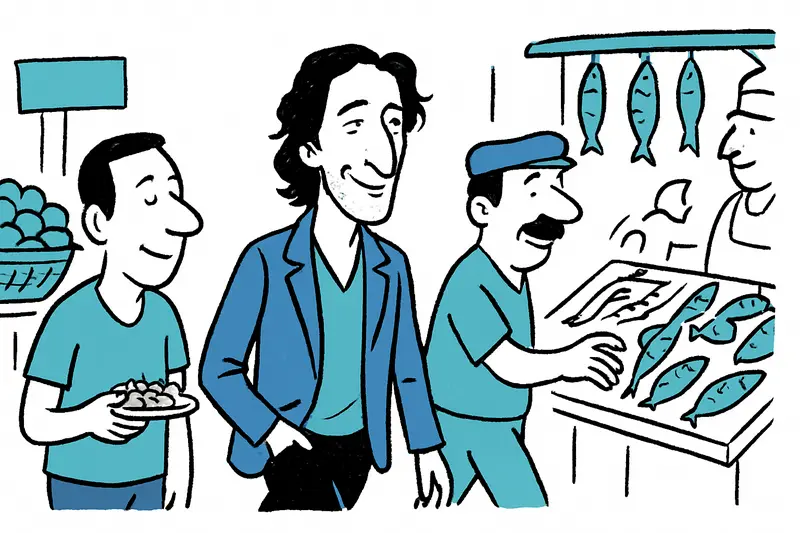
Adrien Brody strolls through Mercat de l'Olivar – celebrity visit leading to Sa Pobla
Actor Adrien Brody was casually spotted at the Mercat de l’Olivar: tapas, fish stalls and later a stop in Sa Pobla spark...
Who can pick up whom? The complicated life of Mallorca's taxis
Three years after the inter-municipal service, empty runs are rarer — but there is a lack of equal treatment, transparen...

When the Tap Only Runs Sometimes: Why Municipalities in the Balearic Islands Are Now Rationing Water
Deià, Valldemossa, Esporles, Sóller and several places on Menorca are scaling back water supply. Who is responsible, why...
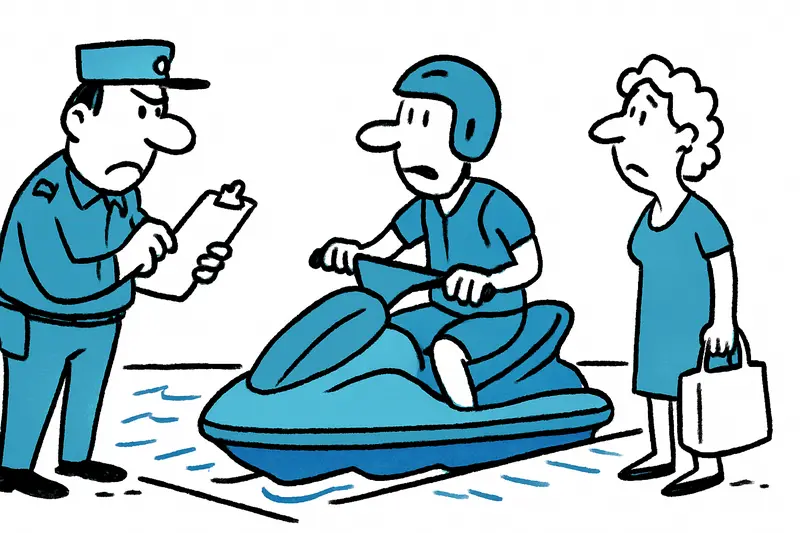
Battle for the Ramp: Why Cala Gamba Needs More Than Enforcement
The Guardia Civil intervened in Cala Gamba — residents breathed a sigh of relief, but unease remains. Key question: Are ...
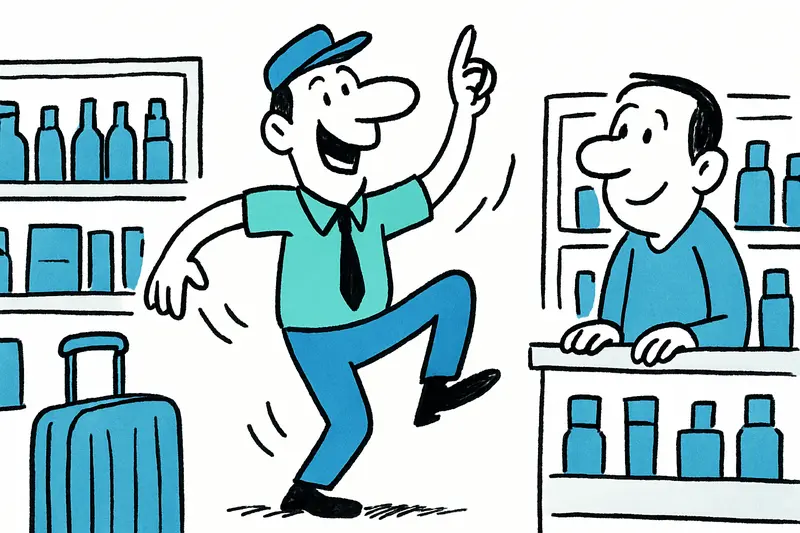
He dances at the Duty-Free: How an airport employee brings a smile to Palma
A Duty-Free employee at Palma Airport created a viral TikTok with dancing breaks. Why the scene is more than just an int...
More to explore
Discover more interesting content

Boat Tour with BBQ along Es Trenc Beach

Private transfer from Mallorca Airport (PMI) to Pollensa
