
Who can pick up whom? The complicated life of Mallorca's taxis
Three years after the inter-municipal service, empty runs are rarer — but there is a lack of equal treatment, transparency and a permanent legal basis. What needs to happen now.
Who can pick up whom? The complicated life of Mallorca's taxis
How a practical step fails because of unequal treatment — and how it could be fixed
The scene is familiar: it's late afternoon in the old town, the sun hangs heavy over the Passeig del Born, taxi signs are flashing, and on the Plaça Major a woman raises her hand. An empty car drives by, the driver glances over, shakes his head and moves on. Why? Because invisible municipal borders still decide whether an empty vehicle may stop or not. Three years after the start of the inter-municipal service much has improved, but the question remains: who actually wins — passengers, drivers or the municipalities?
In short: there has been progress. Uniform fares and cooperation between Palma, Calvià, Llucmajor and other municipalities reduce empty runs and make distribution more efficient. But the model is asymmetric: some drivers are allowed to pick up passengers in certain places, others are not. It feels like giving up a house for everyone to live in but not giving the same keys to everyone.
The positive effects are real. Fewer empty runs mean more taxis where people actually stand, and shorter waiting times in tourist hotspots like the Paseo Marítimo or at airport access roads. At the same time the regulation is still provisional: seasonal exceptions, different scopes of application and a lack of reciprocity create uncertainty. Drivers report fifty-minute returns with an empty car — once common, now rarer, but not ended.
What is missing from public debate is the data basis. Reliable figures on availability per municipality, average empty runs, and how fare harmonization actually affects incomes and mobility are lacking. Without transparent numbers every discussion quickly becomes a series of anecdotes — loud, emotional, but of little use for political decisions.
The perspective of rural places is also underrepresented. In Puigpunyent or Deià needs differ from those in Palma: here it is often about basic provision, not hourly frequencies at tourist hotspots. Municipalities therefore fear that their local basic service will be lost if too many vehicles drift to tourist zones. This legitimate problem has so far found no clear technical or legal answer.
Which solutions are on the table — realistic and immediately implementable? First: establish reciprocal rights. No more one-sided privileges; if a taxi from Calvià may pick up passengers in Palma, the reverse must also apply. Second: a preference mechanism. Local minimum quotas secure basic provision; only then are vehicles released for cross-municipal trips. Third: a digital control platform. It could show in real time where taxis are needed, predict empty runs and manage distribution. Fourth: transparency obligations. Open statistics on deployments, empty runs and fare application as the basis for any regulation.
Technology alone is not enough. Clear legal rules are needed: a permanent regulation at the regional level that converts provisional agreements into a stable but flexible system. Actors involved are the Consell, the municipalities, the Directorate General of Transport and the taxi companies; all must accept binding obligations and control mechanisms. A six-month pilot project with mandatory data collection is conceivable to make decisions based on facts, not hunches.
A roadside everyday scene: on Avinguda Gabriel Roca a driver stands with the door open, the radio murmurs softly, the workshop smells of motor oil. He says briefly: "When I wait in Palma I pay taxes here but have no chance to pick up customers in Calvià." Not a hero, not a victim, just someone who takes what comes. Such voices need a practical rule, not half measures.
The balance is ambivalent: Mallorca has tried a useful innovation with the inter-municipal service that has the potential to make taxi service more modern and fair. But as long as rights are distributed unequally, data are missing and legal certainty is lacking, the reform remains half-finished. Politics and the industry can now finish the house: equal keys, transparent doors, and a map of who is responsible where and when.
Conclusion: Those who act now can turn a bureaucratic patchwork into a functioning, fair system. Those who wait risk that nightly empty runs and scarce taxis in neighborhoods become everyday again. And on an island where every kilometer counts, nobody wants that.
Frequently asked questions
What is the best time of year to visit Mallorca for pleasant weather?
Can I swim in Mallorca year-round?
What should I pack for a Mallorca trip?
How can I get around Mallorca without a car?
What family-friendly activities can I do in Mallorca?
Are Mallorca beaches safe, and what should I know about swimming conditions?
Is English widely spoken in Mallorca, especially in tourist areas?
What are good day trips or classic routes to explore Mallorca?
Similar News
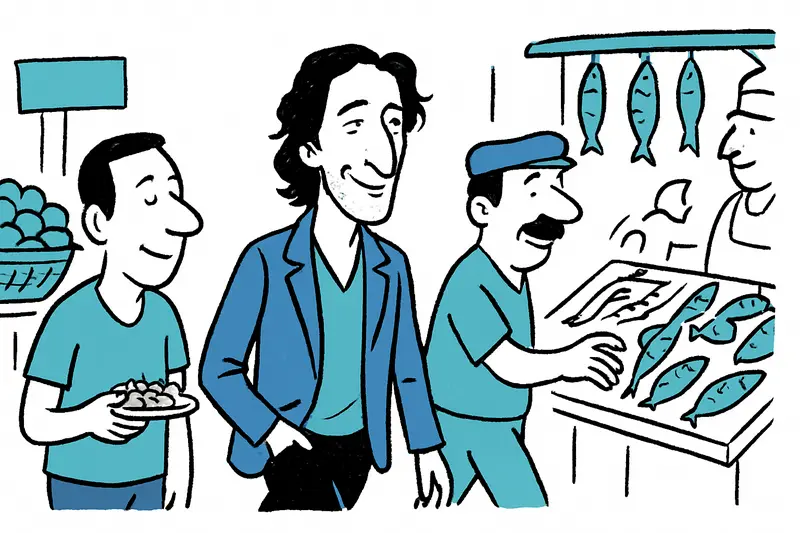
Adrien Brody strolls through Mercat de l'Olivar – celebrity visit leading to Sa Pobla
Actor Adrien Brody was casually spotted at the Mercat de l’Olivar: tapas, fish stalls and later a stop in Sa Pobla spark...

When the Tap Only Runs Sometimes: Why Municipalities in the Balearic Islands Are Now Rationing Water
Deià, Valldemossa, Esporles, Sóller and several places on Menorca are scaling back water supply. Who is responsible, why...
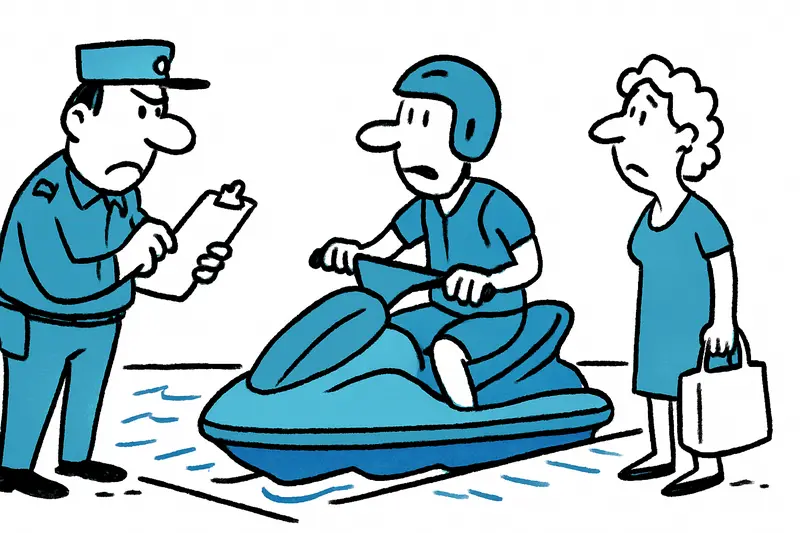
Battle for the Ramp: Why Cala Gamba Needs More Than Enforcement
The Guardia Civil intervened in Cala Gamba — residents breathed a sigh of relief, but unease remains. Key question: Are ...

He dances at the Duty-Free: How an airport employee brings a smile to Palma
A Duty-Free employee at Palma Airport created a viral TikTok with dancing breaks. Why the scene is more than just an int...

Stolen Motorcycle in Palma: Fatal Crash in Coll d'en Rabassa Shortly After Theft
A motorcycle parked on Plaza Miquel Dolç in Son Gotleu was reportedly stolen in the early hours. Hours later two men cra...
More to explore
Discover more interesting content

Boat Tour with BBQ along Es Trenc Beach
Private transfer from Mallorca Airport (PMI) to Pollensa
