

Eviction on Carrer de Aragó: A Lawyer Loses His Office
Eviction on Carrer de Aragó: A Lawyer Loses His Office
Offices on Carrer de Aragó in Palma were cleared out one morning — among those affected was a lawyer accused of owing several months' rent totaling around €4,000. The case raises questions about common practices, oversight and available support.
Eviction on Carrer de Aragó: A Lawyer Loses His Office
How can a legal professional continue to work for months without paying rent?
On Thursday morning, as the city was still drying after the rain and the aromas of coffee from the small cafés on Carrer de Aragó drifted into the street, enforcement officers arrived and put a man out of his law office. He was not an ordinary tenant: a lawyer was affected. The owner's family sued because the rent had not been paid for an extended period.
The circumstances are simple to outline: the premises were rented as an office several years ago, and the monthly charge was a little more than €600. According to the owners, the outstanding amounts added up to around €4,000. During the enforcement, the man admitted to this sum. There was no physical violence; the official action took place without incident, although it was accompanied by loud protests.
The scene appears absurd at first glance: a lawyer, equipped with knowledge of deadlines, dunning procedures and appeal periods, apparently falls months behind on rent. Such cases hurt particularly because they violate basic expectations of professional ethics and personal responsibility. At the same time they raise the question whether this is individual misconduct or the result of structural gaps in how commercial rents are handled.
Critical analysis: there are several levels on which the case must be considered. First: enforcement law is clearly regulated and protects landlords against defaulting tenants. Second: when the tenant is a professional, one must examine the instruments landlords can use to enforce their claims — and how costly and time-consuming this process can be for both sides. Third: public perception suffers when evictions are associated only with vulnerable people, while the self-employed and businesses are also affected. This broader trend is documented in Living in Crisis: Why Tenants Are Now Paying the Price on the Balearic Islands.
What is too often missing in public discussion: reports usually focus on the act of eviction and less on the causes beforehand. How did the insolvency come about? Was there a drop in clients, health problems or management mistakes? Could earlier mediation have prevented escalation? And: how do professional bodies, such as the bar association or similar organizations, react when members find themselves in such situations? These questions often remain unanswered because they go deeper and touch on sensitive details, as shown by Manacor clears settlement: When rental profits push people into shacks.
A scene from everyday life: neighbors and passersby stand in front of the office, a delivery van honks, a woman with a full shopping basket stops and asks quietly if everything is all right. In a nearby bakery people discuss the news over ensaimadas, and the street noise mixes with the rustle of file folders now being carried out of the building. Such looks and conversations show how quickly private problems become public — especially in a city like Palma, where offices, cafés and apartments lie close together. Similar conflicts have arisen elsewhere, for example in Shop Instead of Apartment: Court Orders Eviction in s'Arenal — Who Pays the Price?.
Concrete solutions: first, a mandatory mediation or conciliation phase should precede an eviction, during which payment plans are examined. Such procedures take judges' time but often save costs and reputation. Second, landlords' associations and local administrations could jointly consider funds to bridge short-term rent shortfalls — not as a permanent solution, but as a bridge to stabilization. Third, professional chambers could organize mandatory advisory services for members facing financial problems so that expertise is not limited to formal legal remedies but also reaches practical help. Fourth, a transparent registry of repeated evictions for commercial tenancies would give landlords more planning security without publicly stigmatizing individuals.
Another area is prevention: small businesses and freelancers should have easier access to financial counseling and to instrumental aids such as short-term loans. Owners should use clearer, standardized rental contracts that better regulate deadlines, sanctions and possible installment payments. Both measures reduce conflicts before bailiffs are called in.
Pointed conclusion: it is uncomfortable when a colleague in the legal profession finds himself locked out from the outside. But the incident is more than an anecdote about embarrassment in the profession. It is a mirror of the island: tight spaces, seasonal incomes and unequal power relations collide here. If we want evictions to become rarer, we must think more preventively — with more mediation, better safety nets and pragmatic offers for people in legal and economic distress.
Frequently asked questions
Can a tenant in Mallorca be evicted for unpaid commercial rent?
What should I do if I cannot pay my office rent in Mallorca?
Is mediation used before commercial evictions in Mallorca?
Why do commercial evictions in Palma attract so much public attention?
How much unpaid rent can lead to eviction in Mallorca?
What makes Carrer de Aragó in Palma a busy area for offices and daily life?
Can lawyers in Mallorca also fall behind on rent?
What can landlords in Mallorca do to reduce problems with commercial tenants?
Similar News
Injured captain, big plans: Germania Mallorca before the away match in Consell
The newly founded FC Germania Mallorca travels to Consell on Saturday. Captain Bastian Müller is out injured, but coach ...
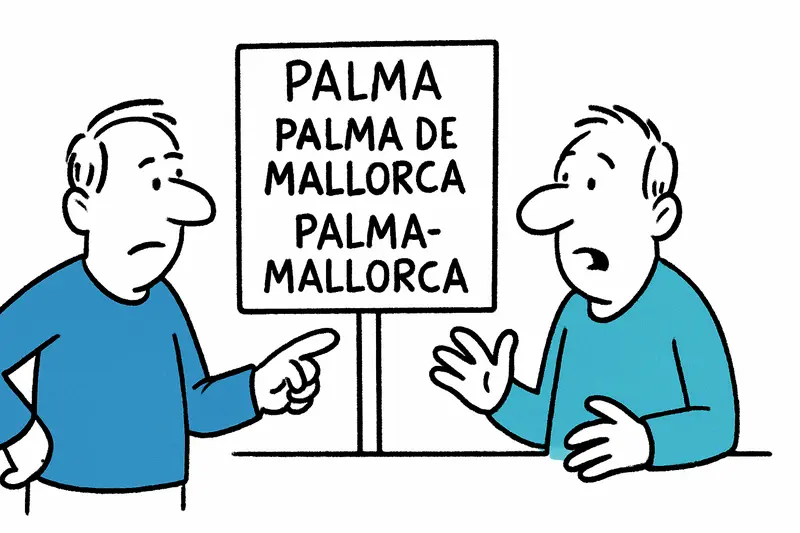
Palma, Palma de Mallorca, Palma‑Mallorca: What is it really about?
The debate over the city's name is more than grammar: it concerns identity, law and branding policy. A sober reality che...
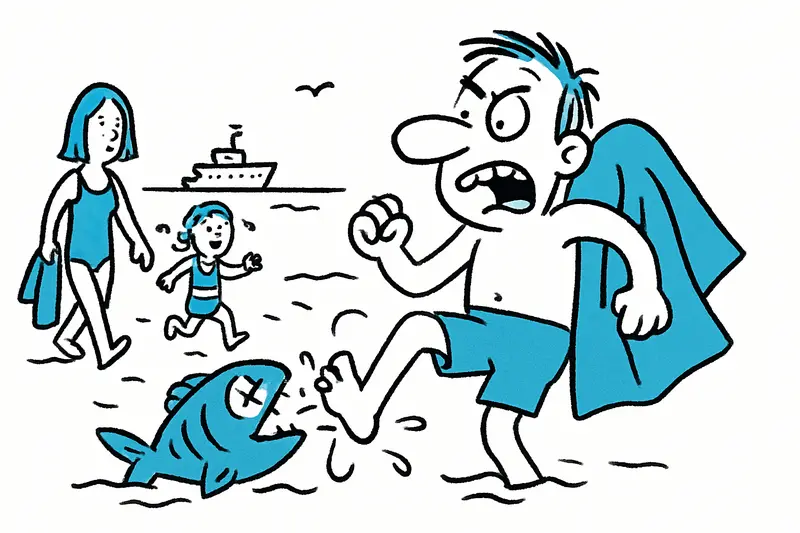
Warning to Bathers: Nipping Fish in Cala Major and Other Coves — a Reality Check
In Cala Major and several beaches around Mallorca, bathers report painful “nips”. Who are the animals, why are they gett...

Rental Car Theft in El Arenal: What This Incident Reveals About Our Gaps
A teenager steals a running rental car in El Arenal, flees on foot, climbs over walls and is caught by the Guardia Civil...

Red Rope in Palma's Library: What Helps Against Selfie Tourism — and What's Missing
Palma's city library cordoned off an area with a red rope to keep selfie tourism away from reading and working activitie...
More to explore
Discover more interesting content

Can Cap de Bou

Townhouse Lleo 72
