
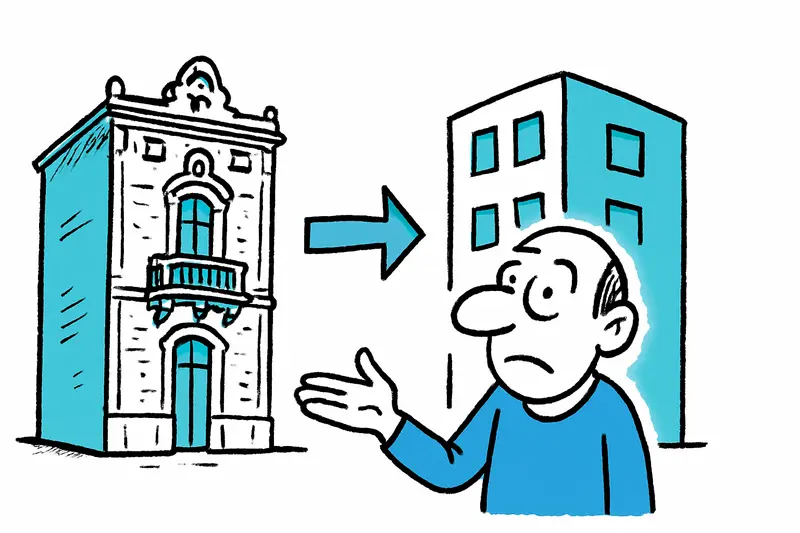
Facade Remains, Soul Goes? The Bennàssar House Between Heritage Protection and New Construction
In Palma the exterior shell of a building on Carrer del 31 de Desembre is to be preserved, while a modern residential complex of 15 apartments will be built inside. What does this decision mean for monument protection, the streetscape and transparency? A reality check from the neighborhood.
Facade Remains, Soul Goes? The Bennàssar House Between Heritage Protection and New Construction
A reality check on the decision to preserve only the exterior on Carrer del 31 de Desembre
Guiding question: Does preserving a façade genuinely protect architectural heritage, or does it ultimately leave only a cinematic shell without historical value?
In Palma a decision was taken a few days ago, reported as Demolition halted in Palma: What Gaspar Bennazar’s house teaches us about heritage protection, that has many people here frowning: the exterior appearance of a house historically associated with the architect Gaspar Bennàssar is to be retained. Behind this shell the owner plans a new L-shaped residential complex with 15 apartments, commercial spaces, parking spaces and storage rooms; up to five storeys are envisaged on the Carrer de Antoni Marqués side. A full demolition, as originally proposed, was thus avoided – but the result is a compromise that is being debated in the neighborhood, as covered in Corner General Riera/Antoni Marquès: Dispute over new residential block and protected façade.
Critical analysis: The responsible heritage authority concluded that the current building lacks sufficient formal or aesthetic merit to be granted individual protection. In addition, its visible condition represents a strongly altered version of the original plans. Anyone strolling through Palma's side streets knows: façade preservation without substance is not uncommon, as explored in Demolition in Palma: When Reconstruction Replaces the Original. It creates a kind of stage set that hides modern structures behind it and gives the streetscape only a simulated age. Such interventions change the authenticity of whole blocks; they replace layered craftsmanship with sleek new construction.
What is missing from the discourse: transparency about the grounds for the decision. Citizens rarely see the full reports or the original plans used for comparisons. Also hardly discussed is which materials and components will actually be preserved – is the façade merely decorative or real substance? And then there is the social dimension: will the replacement building help relieve pressure on the housing market or further fuel it?
A small everyday impression from Carrer del 31 de Desembre: in the morning the baker brings the scent of ensaimadas onto the street, tradespeople unload their tools, a cat jumps over a half-closed shutter. Posters of the construction project and a construction fence have been in front of the house for weeks; from time to time residents chat under a plane tree about whether the preserved façade is a gain or a performance. The hum of voices sounds typically Palmesan: pragmatic, with a pinch of mistrust.
Concrete proposals: First: a publicly accessible dossier with reports, original plans and a photographic documentation of the current condition should be mandatory before such decisions become final. Second: so-called façade preservation should come with clear technical specifications – which components remain, how are they anchored, how is material authenticity verified? Third: a review process by independent restorers could better detect discrepancies between design and execution. Fourth: building conditions could be tied to a "public benefit" requirement, for example a share of affordable rental units or publicly accessible archive space about the site's history.
Why this matters: if only the outer illusion of the old remains, streets lose their depth. Visitors may photograph the pretty façade, but the stories of the trades, the patina of interiors, the craft-based fabric – all of that disappears. At the same time, authorities should protect their mandate by clearly explaining why an object is not individually worthy of protection. Otherwise the decision appears arbitrary.
Concluding point: Heritage protection must not degrade into mere façade maintenance. Retaining an outer shell is preferable to wholesale demolition, but it is no cause for praise if genuine substance and context are lost. For Palma this means: clear rules, more disclosure and a stronger link between the public interest in the city and private building. Only then will the city remain more than a prettily wrapped backdrop – and keep its layers of history, not just its make-up.
Frequently asked questions
What does it mean when only a historic façade is preserved in Palma?
Is preserving just the façade enough to protect Mallorca’s architectural heritage?
Why are people in Palma critical of façade-only renovation projects?
What is planned for the Bennàssar House site on Carrer del 31 de Desembre in Palma?
Who was Gaspar Bennàssar and why is his name linked to a Palma house?
What information should be public before a heritage decision is made in Mallorca?
Does keeping an old façade help the housing situation in Palma?
What should residents look for when a historic building in Palma is being rebuilt?
Similar News

When the Wallet Becomes a Danger: Attack in Peguera and Lessons for Mallorca
In Peguera, two women are said to have stolen the wallet from a 75-year-old German couple. When the victim intervened, t...
Plata stays Plata: Young people take over, Llonguets remain
A small bar on Carrer de l'Argenteria will continue: Tolo Serra hands the place over to young Mallorcans at the end of t...
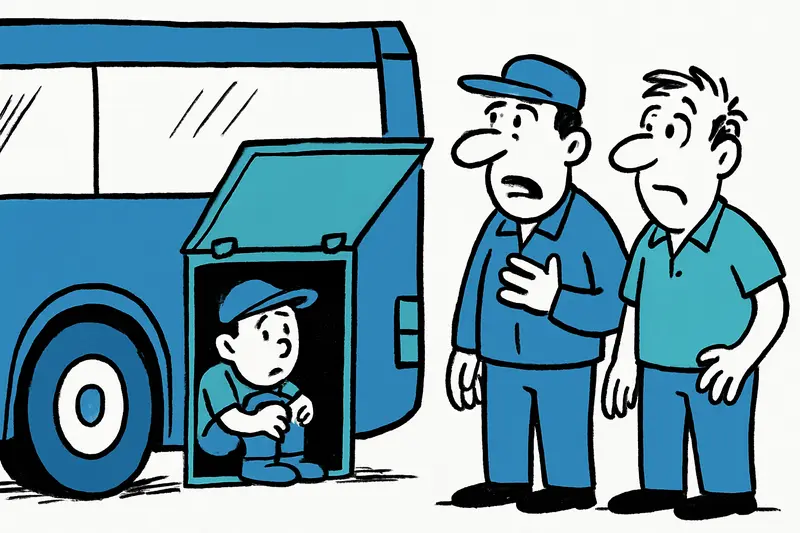
Unnoticed in the Luggage Compartment: How a Boy Traveled More Than 100 Kilometers in a Team Bus
A minor traveled in the undercarriage of a team bus for more than 100 kilometers until his cries for help were heard. A ...

Cap Vermell Grand: Second Michelin Key – a Gift for the East
The Cap Vermell Grand in Capdepera has been awarded its second Michelin key. For the region this elevates the luxury off...
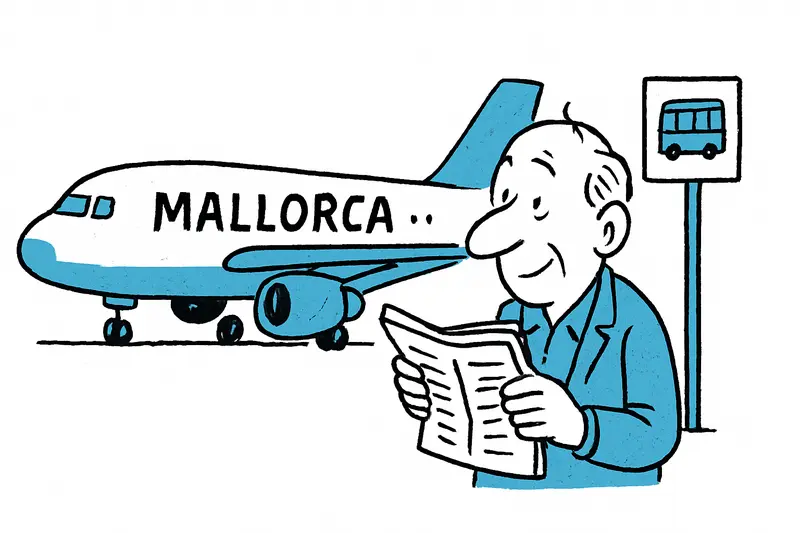
Eurowings lets four aircraft carry names – a friendly idea that also reaches Mallorca
Eurowings is launching a campaign: four Airbus A320s are to carry the first names of people who help others in everyday ...
More to explore
Discover more interesting content

Can Cap de Bou

Townhouse Lleo 72
