
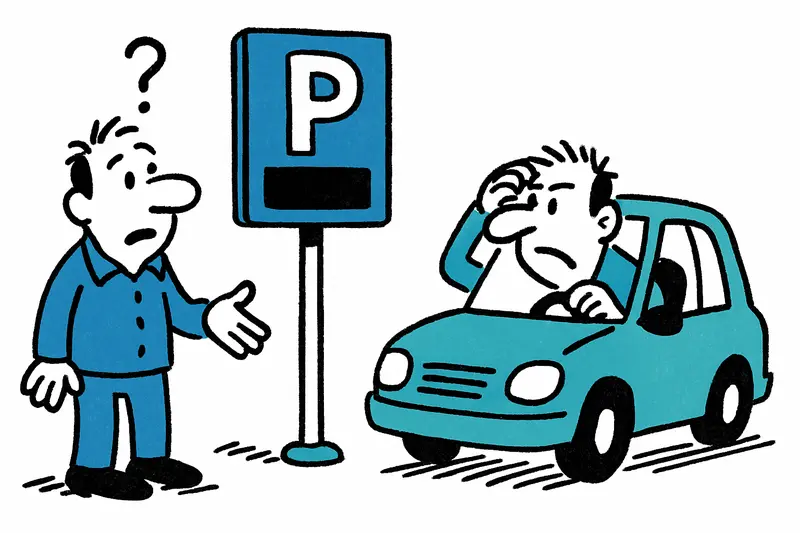
False readings in Port de Sóller: When the parking sign paralyzes harbor life
New electronic parking signs often indicate "full" even though there are still spaces available along the Passeig. Merchants complain of lost customers — the city promises quick inspections. Why is that not enough?
When a red "full" clears the promenade
At the Passeig of Port de Sóller, where normally the smell of coffee, seagull cries and the soft clinking of boats fill the air, there has recently been an unusual quiet at odd times. The cause: electronic parking guidance signs at the access roads that deter visitors with a large, clear "full" — even though free spaces are often visible along the pier and at the small fishing harbor. The central question is: Why do the signs report incorrect occupancies, and how can trust in the technology be restored quickly?
Who loses when the signs are wrong?
It's not only the baristas and souvenir sellers who worry about sales. Boat rental companies, taxi drivers and guesthouse operators feel the gap: empty tables, fewer boat trips, less tipping. In the off-season every spontaneous visitor matters — a parking space, a quick glance, a cappuccino. A café owner on the pier quietly sums it up: "People see the red sign, turn away and drive on. Even when ten spaces are free."
Analysis: Technology, installation or operations?
The quickest explanation is a technical fault: sensors that count by inductive loop traffic detectors or ultrasound can deliver incorrect data when mounted improperly, poorly sealed or miscalibrated. A retired electrician from the town who inspected the columns reports leaky housings — water and electronics do not mix. But that is only half the story.
Less visible, but often decisive, are organizational mistakes: Was the system tested in practice? Who is responsible for maintenance and recalibration? Which interfaces connect to the central software — and are these documents and protocols transparent to the community? In many cases the combination of poor maintenance, a lack of testing strategy and a black box managed externally creates mistrust among residents and business owners.
What is hardly discussed publicly
Three points are missing from the current debate: First, the question of contracts — who installed it, who pays for corrections? Second, the lack of involving local businesses in testing scenarios; they are the affected parties and could provide valuable feedback during field tests. Third, guidelines on video surveillance and data protection and data transparency are mostly left out: What data does the system collect, how long is it stored and who may access it?
Concrete, quickly implementable solutions
The city administration is already planning checks at several measurement points — a good first step. In addition, pragmatic measures that show short-term effects are recommended:
1. Manual override option: At the access points a simple button or login that allows parking attendants to switch to "free" when necessary.
2. Temporary signage and notices: Handwritten boards or laminated signs at the access points indicating actually free areas — visible when the system shows red.
3. Weekend deployment of parking attendants: Staff on critical days for direct regulation and customer information.
4. Redundancy in sensors: Combination of ground sensors, camera counting (with regard to data protection) and manual counting points to prevent false alarms.
5. Integration into local apps and WhatsApp groups: Create live information for visitors and businesses, plus a reporting channel for deviations.
Long-term questions and a call for transparency
In the long term it must be clarified how systems are financed, maintained and publicly controlled. An open pilot run involving local businesses, clear maintenance contracts and published error rates would create trust. And a note to everyone: technology must not be placed above people — especially not in a place whose heart is the small promenade.
A pragmatic tip for visitors
While the causes are being investigated: those who drive to Port de Sóller and see the "full" sign should not immediately turn back. Calmly drive a little further along the promenade — it is often worth it. And for locals: a quick call to the café sometimes saves the whole day.
Frequently asked questions
Why does the parking sign in Port de Sóller sometimes show "full" when spaces are still available?
What should visitors do if the Port de Sóller parking display says "full"?
Why does false parking information hurt businesses in Port de Sóller?
How can Mallorca fix a parking sensor system that gives false readings?
Are there privacy concerns with smart parking systems in Mallorca?
What temporary solutions can help when Port de Sóller’s parking system is failing?
When is parking in Port de Sóller most likely to cause problems?
Should local businesses in Port de Sóller be involved in testing parking systems?
Similar News

Masked Images, Real Panic: When Social Media Aesthetics Alarm Neighbors
Five German content creators filmed on a recently vacated detention site using deceptively realistic props. The result: ...

Why the Striped Breams in Cala Pí Should Be a Wake-up Call
Once again bathers in Cala Pí were surrounded while swimming by small, nippy fish — some wounds bled. Time for clear rul...

Daily from New York: How Palma's Air Traffic Is Growing — and What Must Change
United will increase the Newark–Palma service to daily flights in 2027 (Boeing, 231 seats). Strong tourist numbers clash...

When Love Ends in Shards: Destruction in Son Vida and the Questions That Remain
In Son Vida a relationship dispute escalated: a woman destroyed furniture in a luxury villa, later pressed a panic butto...

Who Bears the Burden? Mallorca Between Tenant Protection and Landlord Fears
Madrid's new housing decrees strengthen tenant rights — but on Mallorca concern is growing: will the law drive small lan...
More to explore
Discover more interesting content

Can Cap de Bou

Townhouse Lleo 72
