
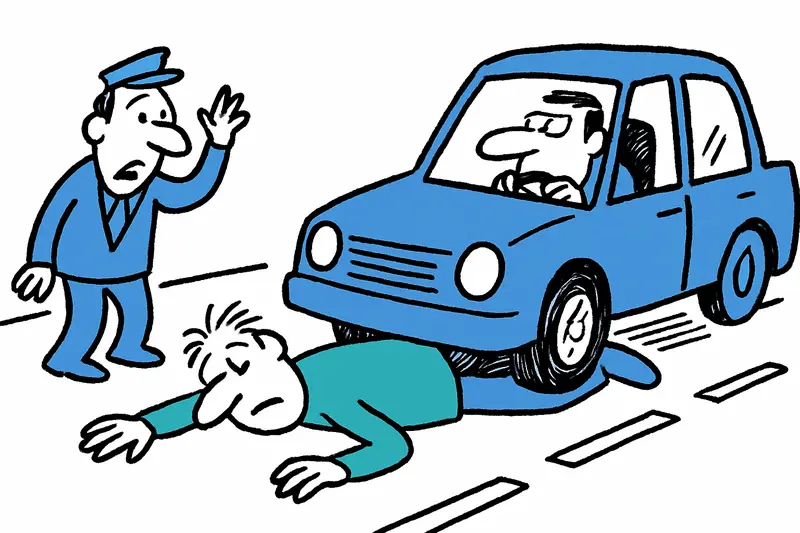
MA-19 at Night: Why Was a Pedestrian on the Airport Access Road?
A man was run over on the MA-19 heading to the airport and died. Why was the person on the heavily trafficked access road? The Guardia Civil is investigating.
MA-19 at Night: Why Was a Pedestrian on the Airport Access Road?
The stillness of the night on the MA-19 was broken in the early hours of Tuesday around 11 p.m. by blue lights and the scraping sound of tire fragments. A pedestrian, who apparently walked onto the access road to Son Sant Joan Airport, was struck by a vehicle according to witnesses and died at the scene (Fallecido en la MA-19 cerca de Palma: ¿Cómo llegó un peatón a la autopista?). Emergency responders from Samu 061, Policía Local and Guardia Civil could only confirm the death.
The central question: why was he there?
That is the question echoing at the crash site: why did a person walk in the middle of the MA-19, a fast connection that at night is hardly intended for pedestrians? Was it a tragic accident, a medical emergency, alcohol, disorientation — or a deeper problem that we as an island community overlook? The Guardia Civil's investigation is ongoing; traces are being secured, cameras checked and witnesses questioned. Until exact causes are established, much remains speculation. Yet the question itself deserves an answer because it points to structural weaknesses in the nocturnal roadside environment.
I was at the spot the morning after: the asphalt still wet from rain, the lamplight casting long shadows, small rubber fragments from tires stuck here and there. Drivers speak of sudden hi-vis vests, flashing indicators, a queasy feeling in the chest when passing such a scene. Such images linger — not only with the relatives, but with everyone who travels here.
Poorly lit risks – what is often missing
The MA-19 is an arterial road designed for cars and fast access to the airport. Pedestrian paths, safe crossings or protective barriers are missing along large stretches. At night people disappear in the beam of headlights; sounds are masked by the wind and the distant roar of the runway. When a person is on the carriageway, there is barely any time to react. This is not a new insight — yet in the routine of everyday life vulnerability is quickly overlooked.
The social dimension is also little illuminated: people walking along busy roads on foot can be affected by several problems — homelessness, impaired judgment due to alcohol or medication, an acute crisis. Here traffic engineering and social care collide without a clear mechanism to ensure that vulnerable people can get safely from A to B.
Concrete approaches instead of expressions of shock
The quick response “this must not happen” is not enough. Concrete measures could help prevent similar tragedies:
Improved lighting and visibility: Brighter street lighting and reflectors at the sides can make pedestrians visible earlier.
Physical separation: Where possible, barriers or guardrails should prevent pedestrians from entering the roadway.
Better signage and speed adjustments: Information boards, reduced speeds at access points and speed enforcement in sensitive sections help extend reaction times.
Prevention and social services: Mobile streetwork teams, assistance points near the airport and better networking of social services can offer people in need a safe alternative to walking along the road.
Expanded surveillance and rapid documentation: Cameras and quick evidence collection make investigations easier and help clarify causes faster — this spares relatives and improves prevention strategies.
Between mourning and prevention
For the relatives the event is a devastating rupture; words cannot ease it. For society it raises the question of how we design our roads and social systems so that people are not exposed to such risky situations. For many the MA-19 is the first route to holidays, to work, to returning home — at the same time it reveals at night how fragile coexistence on our roads can be.
The Guardia Civil continues to ask witnesses for information (MA-19 por la noche: ¿Por qué caminaba un peatón en la vía de acceso al aeropuerto?). Every small observation can help reconstruct the deceased's last hours and perhaps protect others in the future. Until the investigation brings clarity, the memory remains of a rain-wet night, warning lights and the silent question: have we done enough to prevent such accidents?
Our thoughts are with the bereaved.
Frequently asked questions
Is it safe to drive on the MA-19 near Palma at night?
Why are pedestrians so dangerous on Mallorca's airport access roads?
What should drivers do if they see someone walking on the MA-19?
Can you walk near Son Sant Joan Airport in Mallorca at night?
What makes the MA-19 near Palma especially risky at night?
What is being investigated after the fatal incident on the MA-19 in Mallorca?
What safety improvements could help on Mallorca's airport roads?
Are there safe pedestrian routes around Palma airport?
Similar News
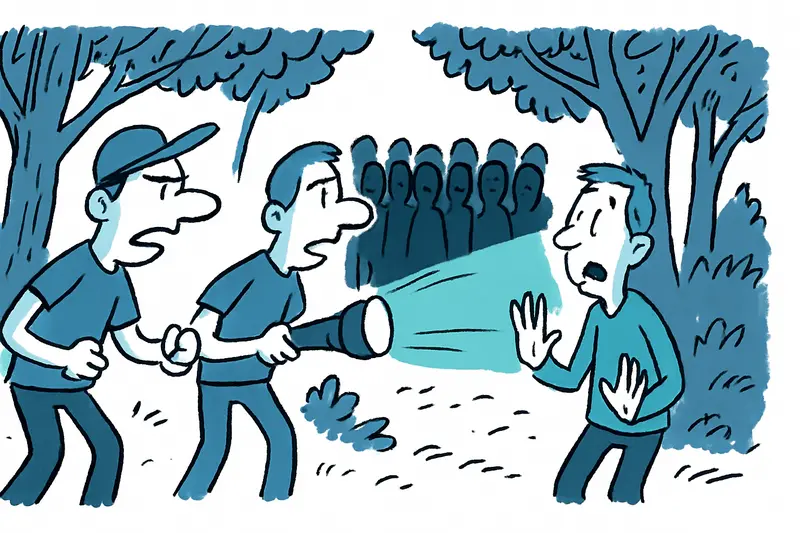
Fear in the Sa Teulera Forest: Youth Groups Harass Cruising Zone in Palma
In the wooded area of Sa Teulera, those affected report verbal attacks, property damage and intimidation. How safe is th...
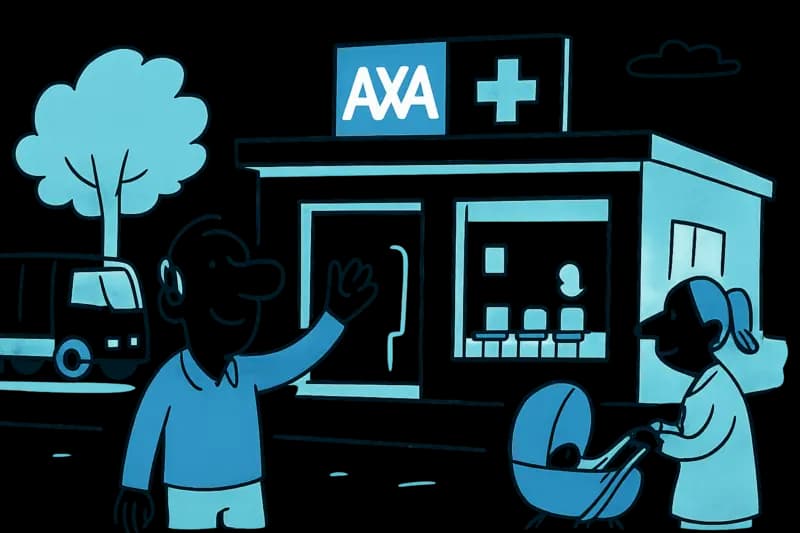
Axa opens first health center in Palma: €3 million, 650 m² and more local access for La Vileta
In the heart of La Vileta, Axa has opened its first own health center in Mallorca. On around 650 square meters and with ...
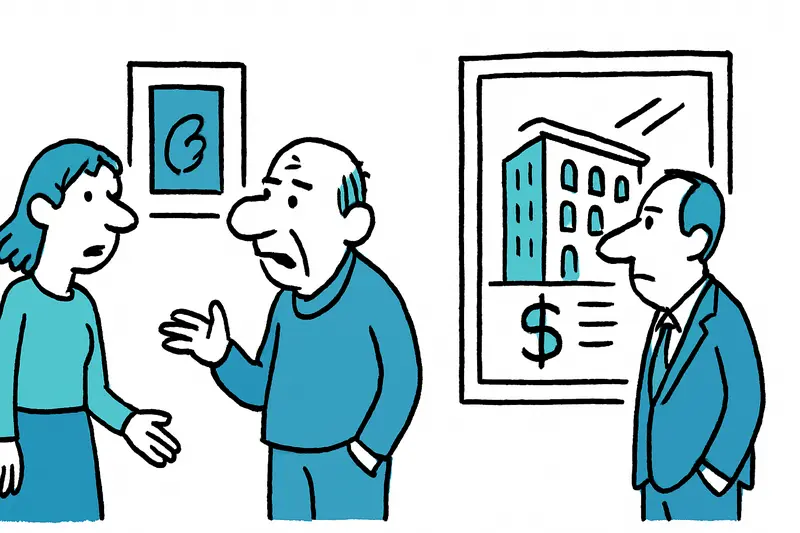
30 Years of Nit de l'Art: What Palma's Art Night Really Shows — and Conceals
Nit de l'Art celebrated its thirtieth anniversary: full galleries, young visitors — and the quiet tensions between the a...
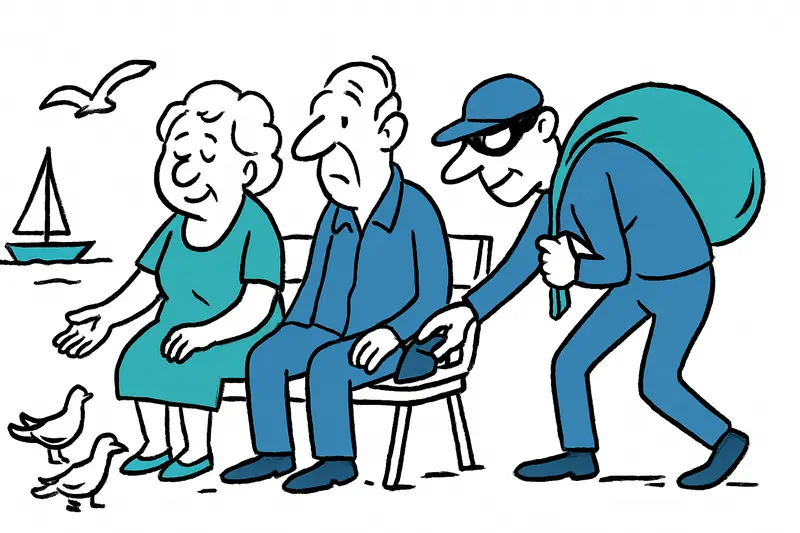
Hunt for Older Holidaymakers: Arrests after Suspected Pickpocketing in Port d'Andratx and Bellver
Five suspects were arrested after investigators accuse them of targeted pickpocketing of elderly tourists in Port d'Andr...
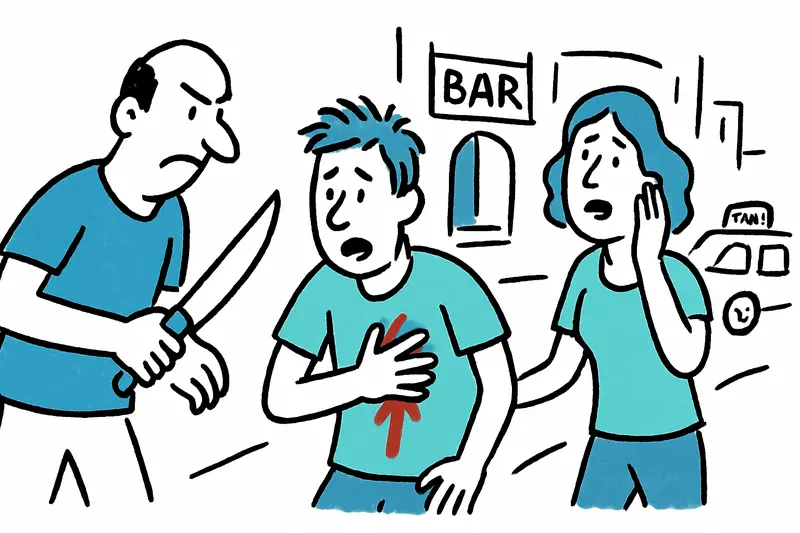
Knife stabbing in Magaluf: Why it must not remain an isolated incident
A 21-year-old tourist was stabbed in the chest in Magaluf and is in life-threatening condition. A reality check: what's ...
More to explore
Discover more interesting content

Can Cap de Bou

Townhouse Lleo 72
