
Fatal Accident near Sineu: Why Cyclists Remain at Risk on the MA-13a
Fatal Accident near Sineu: Why Cyclists Remain at Risk on the MA-13a
A cyclist was struck and killed on the MA-13a between Santa Maria and Inca. The Guardia Civil is investigating. What does this say about safety and infrastructure on Mallorca's secondary roads?
Fatal Accident near Sineu: Why Cyclists Remain at Risk on the MA-13a
A man dies after a collision on the old country road between Santa Maria and Inca – and many questions remain.
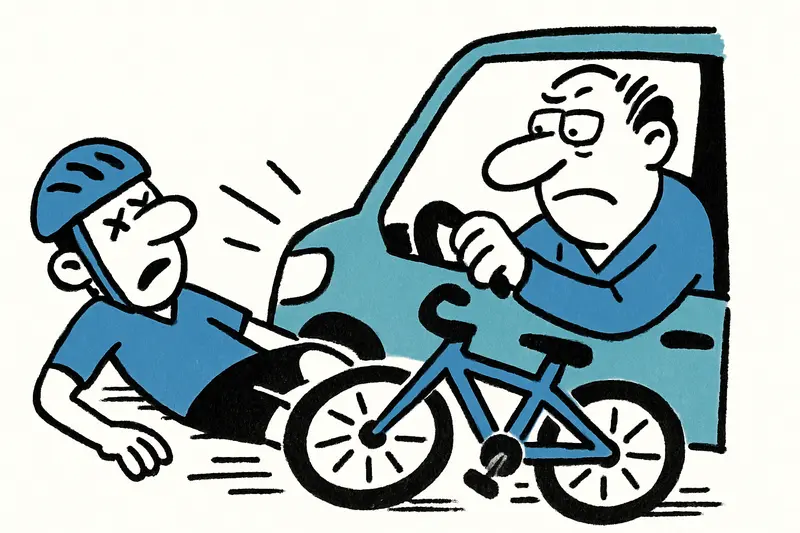
On Saturday morning there was a fatal accident on the MA-13a, just under kilometer 16 between Santa Maria and Inca. A middle-aged cyclist was seriously injured after colliding with a car and died at the scene. Crews from several ambulances were on site, the Guardia Civil has taken over the investigation, and the road was blocked in both directions for hours. The tenth chamber of the investigative court in Palma was informed. Similar incidents on the MA-13 have been reported, for example Head-on Crash on the Ma-13 near Alcúdia: Could the Accident Have Been Prevented?.
Key question: Why does a routine ride on an island road so often end in death, even though the danger to cyclists is well known?
A sober assessment reveals several problem areas: the physical infrastructure, road user behavior, and the speed with which emergency and investigative authorities respond after an accident. The MA-13a is a typical country road: narrow lanes, walls and hedges at the edge, and sometimes poor visibility around bends. Such sections demand special caution from drivers – especially on Saturdays, when day-trippers, farm machinery and sporty cyclists share the same route.
In public debate many details often go untold. It is not only about assigning blame after an accident. In other recent cases, such as Serious Traffic Saturday: Cyclist Dies in Selva, Motorcycle Crash in Sóller Tunnel, cyclists have been killed on rural roads. What is missing is a systematic view: where are recurring near-miss locations? Which measures are technically and legally immediately feasible? Who pays for short-term improvements – the municipality, the island council or the autonomous region? And why are many cycle paths on Mallorca neither continuous nor segregated corridors, but patchwork?
At the height of the accident site I saw the usual scenes in the morning: a farmer closing his finca gates, olive trees, lime-white on the stone walls, and cars waiting patiently as traffic stalled. People under a café awning in Santa Maria paused, conversations fell silent. The mix of calm and suddenly stopping traffic makes the island particularly vulnerable at such points.
Critical analysis: In the short term, poor visibility, a lack of escape lanes and speeding are the main factors. In the medium term, it is the absence of safe, continuous cycle connections between places like Santa Maria and Inca. In the long term, traffic planning and priority setting matter: when protected areas, agriculture and tourism all use the roads together, binding rules and infrastructure are needed that enforce speed and distance.
What is missing in the public discourse: An honest accounting of the costs and benefits of measures; the systematic mapping of danger points; obligations for visibility standards for cyclists (lighting, reflectors, mandatory high-visibility vests in certain lighting conditions); regular checks to enforce safe passing distances when overtaking.
Concrete solutions: 1) Temporary lane markings and mobile traffic signs at high-risk stretches; 2) Reduced speed limits during the day on heavily used country roads with strict fines for violations; 3) Construction of protected bike lanes or at least wider shoulders, starting at known accident hotspots; 4) Speed monitoring and targeted traffic observation by the Guardia Civil to collect data; 5) Information campaigns in village communities and cycling clubs about safe overtaking maneuvers; 6) Faster coordination between the municipality, island council and transport authorities so provisional measures are not left waiting for weeks.
Many of these proposals are not new. Their implementation stalls on priority setting and funding. Previous reporting on dangerous stretches, like Fatal accident on the MA-5013 near Sant Jordi: Why does the stretch remain dangerous?, highlights recurring issues. But another death should not only trigger sympathy, it should prompt a rapid, targeted response – not only after the next report.
The island depends on mobility: commuters, farmers, holidaymakers and athletes share the roads. If we do not start deliberately separating or at least protecting these user groups, similar tragedies will repeat. Authorities and residents must jointly identify danger points; drivers must adjust their speed; cyclists should be more visible and more predictable.
Conclusion: The death of the cyclist near Sineu is more than an isolated accident. It is a symptom of gaps in planning, enforcement and accountability on Mallorca's secondary roads. We need immediate, pragmatic measures at clearly identified hotspots – before more people lose their lives on a country road.
Frequently asked questions
Why are cyclists still at risk on Mallorca’s country roads?
Is the MA-13a between Santa Maria and Inca safe for cycling?
What should cyclists wear on Mallorca’s roads to stay more visible?
What are the most effective safety measures for dangerous roads in Mallorca?
Why do accidents on Mallorca’s rural roads often lead to long traffic delays?
What makes the road between Santa Maria and Inca difficult for drivers and cyclists?
When is cycling on Mallorca’s country roads most likely to be risky?
Who is responsible for improving road safety on Mallorca’s cycling routes?
Similar News

Rental Car Theft in El Arenal: What This Incident Reveals About Our Gaps
A teenager steals a running rental car in El Arenal, flees on foot, climbs over walls and is caught by the Guardia Civil...
Red Rope in Palma's Library: What Helps Against Selfie Tourism — and What's Missing
Palma's city library cordoned off an area with a red rope to keep selfie tourism away from reading and working activitie...

Fort San Carlos: Museum, Harbor Dispute — and a Conflict That Demands Answers
The military museum at Fort San Carlos sits right on Palma's harbor, with unexpectedly quiet rooms filled with cannons a...
Old Town Under Pressure: When a Doorway Becomes a Sleeping and Shower Place
For months a woman has been living with a parasol, a clothes rack and personal belongings next to the social welfare off...

When Shopping Weighs Heavier: Mallorca Demands a Tax Pause on Food and Fuel
Rising prices are putting pressure on households and agriculture. The Balearic Islands are calling for temporary tax rel...
More to explore
Discover more interesting content

Can Cap de Bou

Townhouse Lleo 72
