
Nighttime collision at the border of Son Banya: One dead, several fleeing — questions remain
Two cars collided head-on between Mercapalma and Son Banya. A 31-year-old died and several occupants fled. Why did people run from the accident — and what needs to change so such nights become rarer?
Nighttime tragedy at the border of Son Banya: A man dies, many questions remain
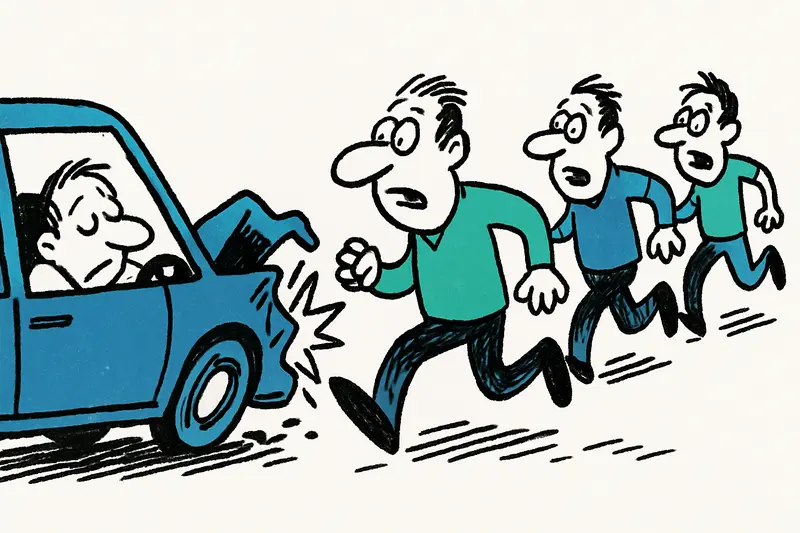
It was two dull bangs in the dark — so residents report — then a long silence broken only by the wail of sirens. On the connecting road between Mercapalma and Son Banya, two vehicles crashed head-on in the early hours. A 31-year-old man died at the scene. More details were reported in After head-on crash in Palma: Fleeing and many questions – 31-year-old dies. Several people got out of the second car and ran off in different directions. Their trail is lost in dirt tracks and side streets.
What first responders found
Around 2:10 a.m. emergency calls came in. Firefighters, ambulance crews and police found two completely destroyed cars, scattered auto parts, clothing and glass on the road. Despite rapid medical care, the driver of one car could not be resuscitated. A passenger from the other vehicle was seriously injured; he was later found by responders in the El Molinar neighborhood and taken to hospital. How many people left the second vehicle remains unclear — witness accounts differ. Some describe frantic silhouettes with flashlights, others remember only blurred outlines that slipped into the darkness. Police updates and related coverage can be found in Fatal Head-on Collision in Son Banya — More Than Just an Accident?.
The key question that lingers
The flight of the occupants is not just a detail — it changes the perspective on the whole incident. Why do people run away from a crash scene? Is it fear of legal consequences, missing papers, alcohol or drugs, or do some feel unsafe in encounters with police? Each of these answers leads to different implications for the investigation and for prevention.
Technology alone is not enough
Accident analysts will evaluate skid marks, deformations and the position of the vehicles. That provides important clues about speed and angle of impact. But there are often less visible factors we discuss too rarely: How good (or bad) is the nighttime lighting here? What is the road condition after rain? Are signs or guideposts damaged? And last but not least: What was the technical condition of the vehicles? Discussions about speeding and rural road safety are explored in Nighttime crash near Son Banya: Who will stop the speeding on Mallorca's country roads?.
The social dimension
At the same time there is a social component: Some people avoid contact with authorities out of mistrust or fear of consequences (e.g. loss of license, deportation, fines). On a night like this, that is amplified. People fleeing not only makes reconstructing the accident harder — it also complicates assigning responsibility and does not help victims.
Underestimated details on site
In the morning the smell of petrol and cold dew hung over the scene. Taxi drivers doing their early rounds report traffic jams, detours and the rustle of packaging and clothing that residents were tidying away. Those quiet cleanups tell stories that often do not appear in official reports: what speed is considered normal on this stretch, how fast trucks or delivery vans pass the dark road, and how quickly a single hour of darkness turns into a tragedy.
Concrete opportunities and suggestions
To make such nights rarer it is not enough to rely on technology. Three concrete steps could help:
1. Better nighttime infrastructure: Targeted lighting of connecting roads — improved street lighting, reflective markings and regular checks of the road alignment — would improve visibility and allow witnesses to give reliable observations. The stretch between Mercapalma and Son Banya is often dark at night; that increases danger at high speeds, as noted in Choque nocturno en Son Banya: ¿Quién detiene la velocidad temeraria en las carreteras rurales?.
2. Low-threshold reporting channels: An anonymous witness hotline, information in several languages and local information booths could encourage people to come forward even if they are afraid. Trust is not built in one night, but consistent offers can lower inhibitions.
3. Preventive mix of control and help: Checks do not have to mean only penalties. Mobile checkpoints, combined advice on insurance, vehicle maintenance and safe driving, and cooperation with social workers can reduce fear and lessen flight reactions.
How do police and judiciary investigate?
The public prosecutor's office and police have ordered an autopsy. Technical experts will examine the vehicles. Alcohol and drug tests are planned as soon as possible participants come forward or are found. In similar coverage of the events on the same roads see Choque nocturno entre Mercapalma y Son Banya: muere un hombre de 31 años, los ocupantes huyen. Police urgently ask for information: every detail counts — a car with fresh damage, flashlight beams in the dirt tracks, voices that night.
What is moving the neighborhood
The day after the crash the neighborhood is in shock. In cafés and at kiosks people speak in low voices. A delivery driver mutters that he still has the sirens in his ears; someone on Bazaar Street is clearing away the remains. Those images linger and shape the local sense of safety. And they show: prevention and clarification are not just tasks for the authorities but for the whole community.
Our sympathy goes to the relatives of the deceased. At the same time it must be clear: an open discussion about causes and prevention is urgently needed. Anyone who saw anything suspicious between Mercapalma and Son Banya that night is asked to contact the police. Every observation can help clarify events, bring those responsible to account and prevent future accidents.
Frequently asked questions
Is it safe to drive on Mallorca roads at night?
What should I do if I see a serious car crash in Mallorca?
Why do some people flee the scene after a crash in Mallorca?
What happens when police investigate a fatal crash in Mallorca?
Where is the road between Mercapalma and Son Banya in Mallorca?
What is Son Banya in Mallorca known for?
Why are some Mallorca roads more dangerous at night than during the day?
What can local residents do after a serious crash near Mercapalma or Son Banya?
Similar News
First Day, First Consequences: What Palma's Rent Freeze Really Means
A new decree stops a planned eviction in Palma — but what really changes for tenants and landlords? A reality check with...
When Housing Becomes a Matter of Survival: Mallorca Between Rental Frenzy and Everyday Life
The case of 87-year-old Maricarmen showed that on Mallorca many people's lives are poised between affordable and uninhab...
Autumn in Mallorca: When Melancholy Gets a Window
Why autumn quietly tightens here — and how to make use of the mood: walks, culture, candles and the light from Palma to ...
Near-miss on Lanzarote: Landing Ryanair Jet and Iberia Takeoff — what really went wrong
On Lanzarote there was a dangerous incident: A Ryanair flight (FR5910) from Dublin landed on runway 03 while an Iberia E...
Eurowings introduces new Premium Business seats on Mallorca routes
From December 1, selected Eurowings flights to Palma and other destinations will feature eight particularly generous sea...
More to explore
Discover more interesting content

Can Cap de Bou

Townhouse Lleo 72
