
Nighttime crash near Son Banya: Who will stop the speeding on Mallorca's country roads?
A fatal accident between Mercapalma and Son Banya brings a familiar problem into focus: Why do country roads turn into race tracks at night — and what needs to change?
Nighttime crash near Son Banya: Who will stop the speeding on Mallorca's country roads?
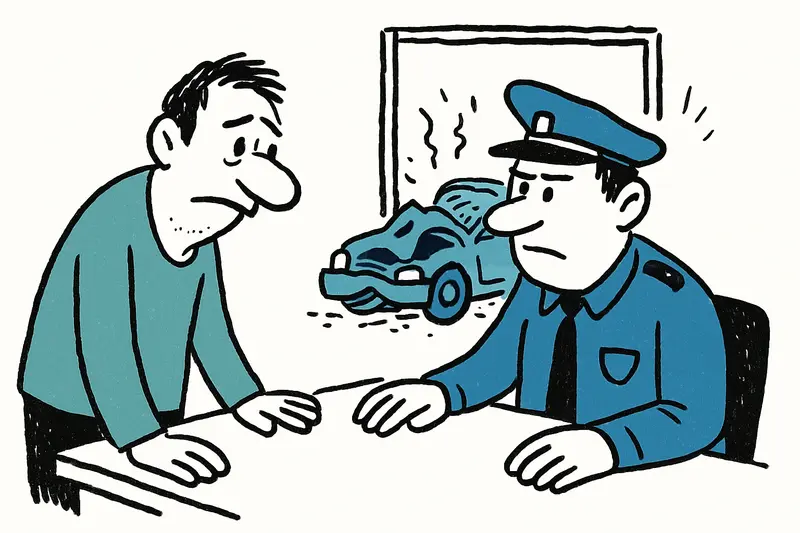
The scene after midnight felt like it came from two different worlds: a fine rain drew shiny streaks across the asphalt, streetlights flickered, and the crunch of shattered glass hung in the air. On the country road between Mercapalma and Son Banya a nighttime drive ended in death. Details were reported in Nighttime collision at the border of Son Banya: One dead, several fleeing — questions remain For the neighbourhood, these are not abstract numbers but broken glass, the hum of recovery vehicles and people who cannot sleep.
The current status of the investigations
In the morning a 26-year-old man presented himself at a police station in Palma, accompanied by his lawyer; he was provisionally detained. He claims not to remember the accident. The Guardia Civil and the local police are securing evidence: skid marks, vehicle parts, camera footage. Witnesses report squealing tires and loud engines around 1:45 a.m. — several vehicles are said to have been driving at high speed shortly before the collision. The public prosecutor is investigating the case for negligent homicide and possible endangerment of road traffic; the precise legal assessment is still pending. Further reporting notes the driver in custody in Fatal Head-on Collision in Son Banya — More Than Just an Accident?
The key question: Why does this pattern repeat?
It is not the first night residents of Mercapalma and the surrounding area have been woken by loud engines. Similar incidents were highlighted in Three serious accidents in one night: What's wrong with Mallorca's country roads? The pressing question is: why do some country roads on Mallorca turn into sites of risky competitions at night? The answer is complex and begins with the road itself.
Many country roads are long, straight stretches with poor lighting and little physical separation — perfect conditions for putting the foot down. When the streetlights flicker, visibility is poor and pine trees rustle just off the carriageway, a single driving error can end in tragedy. The infrastructure does not encourage restraint.
There are also enforcement gaps. Night patrols cost personnel and money. Police officers often work at their limits; mobile speed cameras, night-vision equipment and video support are not available everywhere. Without a visible presence, the perceived risk of getting caught feels low.
And then there is the cultural component: young drivers, tuned cars, social media clips that make risky driving look heroic. Online, meeting points and rituals form — an echo that rewards dangerous behaviour instead of sanctioning it. That makes the authorities' work even harder.
Concrete measures — what could help now
Grief must not lead to passivity. There are short- and long-term steps that can reduce the danger:
More presence and targeted controls. Temporary checkpoints at known hotspots, increased night patrols and the coordinated use of radar and video technology can increase pressure on speeders. Visible police presence often deters more effectively than penalties imposed afterwards.
Structural measures. Speed bumps, narrower lanes, improved lighting on critical stretches and physical barriers at particularly dangerous spots force slower driving — and even simple visibility improvements at junctions save lives.
Digitalization as a tool. An easily accessible reporting portal for residents, a secure upload option for mobile videos and faster analysis of surveillance footage would strengthen investigations. When witnesses feel heard, they are more likely to report incidents.
Prevention instead of glorification. Education in schools, safe alternatives such as organized track days and partnerships with workshops and rental companies can undermine the image of illegal racing. Young people need places to enjoy driving under safe conditions.
Tougher legal consequences. Faster procedures, possible vehicle confiscation and clearly felt penalties in fatal cases send a clear message: speeding does not go without consequences.
Who needs to act now?
Investigations continue: forensic experts are analysing traces, lawyers are examining the accusations, and witnesses are being sought. But the responsibility does not end with the authorities. The city administration, the police and residents must come together. A joint alliance against nighttime speeding can organise short-term controls and, in the long run, also initiate infrastructure projects and prevention offers.
As long as the balance of opportunity, low belief in enforcement and cultural glorification remains, the danger is real. Neighbours in Son Banya and Mercapalma speak of grief, anger and the hope for action. Otherwise, all that will remain is the memory of flickering streetlights, the crunch of glass and the question: who will finally stop the speed?
The authorities continue to ask for information. Anyone who observed anything on the night of the accident or who has video footage is requested to contact the Guardia Civil.
Frequently asked questions
Why are some country roads in Mallorca especially dangerous at night?
What should I know if I’m driving near Son Banya at night in Mallorca?
What happens after a fatal traffic crash in Mallorca?
Are police in Mallorca able to stop night-time speeding on country roads?
What road improvements could make Mallorca’s country roads safer?
How can residents in Mallorca report dangerous driving or have dashcam footage used by police?
Why do some drivers in Mallorca treat country roads like racing tracks?
What can Mallorca do to prevent illegal street racing at night?
Similar News

Maribel: Five Decades of Service – Housekeeper from Peguera Celebrated with a Special Honor
Over 50 years in the hotel business: María Isabel “Maribel” Molinos was honored in Palma at the Nit del Turisme by Unive...
Orange Alert over Parts of Mallorca: Are We Prepared?
Dark clouds and an announced wet spell have triggered an Orange alert in parts of Mallorca. A reality check: what's miss...

Sundair & Co.: Sale speculation and what it could mean for Mallorca
Rumors about a possible sale of the airlines Sundair and Fly Air 41, which belong to Schauinsland-Reisen — and whether b...
Anne Wünsche in Mallorca: A job offer with a catch — who fits the role of personal assistant?
Influencer Anne Wünsche has left Berlin and is urgently looking for a full-time personal assistant in Mallorca. Why the ...
Daily from New York: Palma Between Boom and Strain
United will increase the Newark–Palma route to daily flights in 2027 using Boeing aircraft (231 seats). What does the in...
More to explore
Discover more interesting content

Can Cap de Bou

Townhouse Lleo 72
