
Three serious accidents in one night: What's wrong with Mallorca's country roads?
Pollença, Coll d'en Rebassa and Son Vic — within a few hours three serious accidents occurred. A stark wake-up call: Are our country roads too dangerous for locals and visitors?
Three accidents in one night — and many unanswered questions
The night from Saturday to Sunday did more than keep the island awake; in some places it literally shook it. In Pollença, at Coll d'en Rebassa and near Son Vic in Andratx, people were seriously injured, as reported in Three serious accidents in one night: Injuries on Mallorca. Blue lights, sirens and the heavy heat of late summer — that was the evening for many residents. But the noise is only the acute sign: the question now is deeper and more uncomfortable:
How safe are Mallorca's country roads really — for cyclists, motorcyclists and drivers?
The three cases: briefly summarized
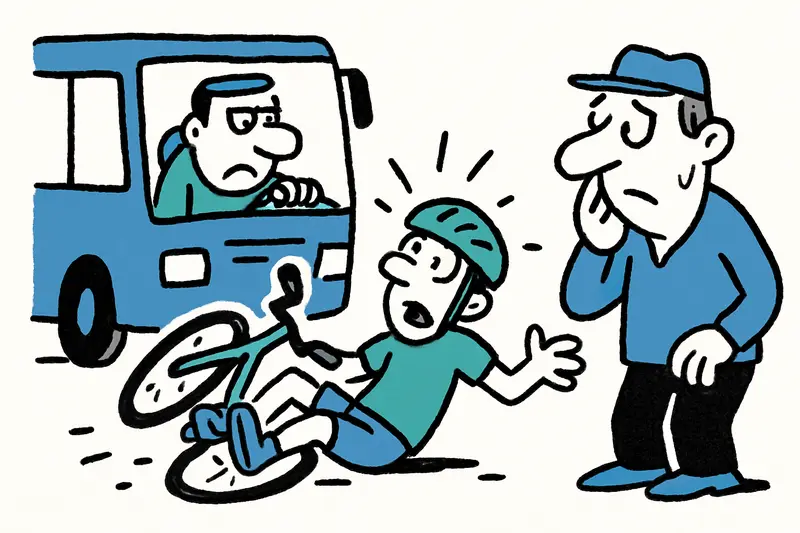
Around 19:20 a 54-year-old cyclist collided with a bus at the Ma-2203/Ma-2200 junction. The spot near Pollença was said by witnesses to be full of day-trippers; emergency crews responded with extended medical equipment. The cyclist was taken to Son Espases hospital, where a polytrauma alarm was triggered — his condition was reported as serious.
In the early morning hours, around 05:50, a 43-year-old motorcyclist crashed heavily on the Ma-5011 at Coll d'en Rebassa. His leg was severely injured; he was also taken to Son Espases, where the polytrauma protocol was activated. Riders familiar with the route describe the curves as treacherous, especially in poor visibility.
The third serious accident happened just before the Son Vic tunnel: two vehicles collided head-on. Both drivers had to be freed from their cars by the fire brigade and a stretch of road was closed for hours. One driver was taken to Son Espases, the other to a private clinic. Cleanup operations lasted into the morning; similar severe collisions have occurred elsewhere, such as Serious Accident Near Porto Cristo: When a Holiday Day Becomes a Test of Emergency Response.
More than bad luck? Possible causes and blind spots
When three serious accidents occur in such a short time in different locations, it is not a purely random event. Several factors come together — and are often little discussed publicly:
Unusual mix of road users: Buses, cyclists, locals, rental cars from abroad and enthusiastic motorcycle groups meet on narrow, winding country roads. Many tourists do not know the route, react differently and underestimate curves or junctions.
Heat and time of day: The evening "rush hour" in holiday areas is different — people are on their way to restaurants, beaches or party spots. Later at night and in the early morning fatigue or reduced visibility add to the risk.
Infrastructure and guidance: Some junctions, like at Ma-2203/Ma-2200, are heavily used but not sufficiently signposted or lack clear traffic management. Narrow road width, missing guardrails at critical turns and confusing junctions play a role.
Speed and enforcement: On country roads people often drive too fast — partly out of bravado, partly out of unfamiliarity with the route. Police presence and speed controls are often lower at night, especially on weekends; this follows recent incidents such as Third traffic death in a few days: Do Palma's night streets need to be safer?.
Concrete proposals: What would make sense now
Accidents cannot always be completely avoided, but much can be done to reduce risks. Some pragmatic measures that could have a quick effect:
1. Temporary speed reductions and more controls on hot weekends: Especially on routes with frequent recreational traffic, lower limits in the evening and at night could help — accompanied by targeted police checks, according to Spain's Dirección General de Tráfico road safety advice.
2. Improved signage and visibility: Reflective markers, larger warning signs before winding sections and better-lit junctions reduce surprises.
3. Infrastructure checks: Rumble strips, additional guardrails at known danger spots, regular road resurfacing and clearing sightlines would make roads safer.
4. Multilingual awareness campaigns: Information campaigns for tourists — at the airport, rental car stations and hotels — about the specifics of Mallorcan country roads could help reduce risks, following European Commission road safety recommendations.
5. Special provisions for cyclists: In areas with high bicycle traffic, separate protection lanes or alternative routes should be considered. Cyclists need safe crossings at busy junctions.
A final look: Responsibility meets reality
When I stood at a petrol station near Pollença yesterday, I could hear the sirens long after. The heat of the evening, voices in several languages, the screeching of tires — such images remain. For those affected and their families, these are not just headlines but lives turned upside down.
We should point fingers less and ask more: Where can we make structural improvements? Who ensures junctions become safer? And how do we reach people who only see our roads once a year? The answers are technical, political and communicative — and they can be tackled if public pressure remains.
Our thoughts are with the injured and the emergency personnel who rolled up their sleeves on a hot summer night. And to everyone traveling this weekend: the island is beautiful — but the roads are not racetracks.
Frequently asked questions
Are Mallorca's country roads safe for cyclists and drivers at night?
Why do serious accidents happen on Mallorca's rural roads?
What should I know before cycling on Mallorca's roads?
Is driving a scooter or motorbike in Mallorca risky on country roads?
What makes the road junction near Pollença dangerous?
What is the road near Coll d'en Rebassa like for motorcyclists?
Why are head-on crashes a concern on Mallorca's country roads?
What can be done to make Mallorca's roads safer?
Similar News
Masked Images, Real Panic: When Social Media Aesthetics Alarm Neighbors
Five German content creators filmed on a recently vacated detention site using deceptively realistic props. The result: ...
Why the Striped Breams in Cala Pí Should Be a Wake-up Call
Once again bathers in Cala Pí were surrounded while swimming by small, nippy fish — some wounds bled. Time for clear rul...
Daily from New York: How Palma's Air Traffic Is Growing — and What Must Change
United will increase the Newark–Palma service to daily flights in 2027 (Boeing, 231 seats). Strong tourist numbers clash...
When Love Ends in Shards: Destruction in Son Vida and the Questions That Remain
In Son Vida a relationship dispute escalated: a woman destroyed furniture in a luxury villa, later pressed a panic butto...
Who Bears the Burden? Mallorca Between Tenant Protection and Landlord Fears
Madrid's new housing decrees strengthen tenant rights — but on Mallorca concern is growing: will the law drive small lan...
More to explore
Discover more interesting content

Can Cap de Bou

Townhouse Lleo 72
