
Third traffic death in a few days: Do Palma's night streets need to be safer?
A 36-year-old motorcyclist died at night in a collision in Son Oms, near the airport. It is the third fatal traffic accident on Mallorca within a few days. The island community asks: Is this just bad luck — or are there systemic weaknesses in night-time traffic?
Motorcyclist killed in Son Oms – island community concerned
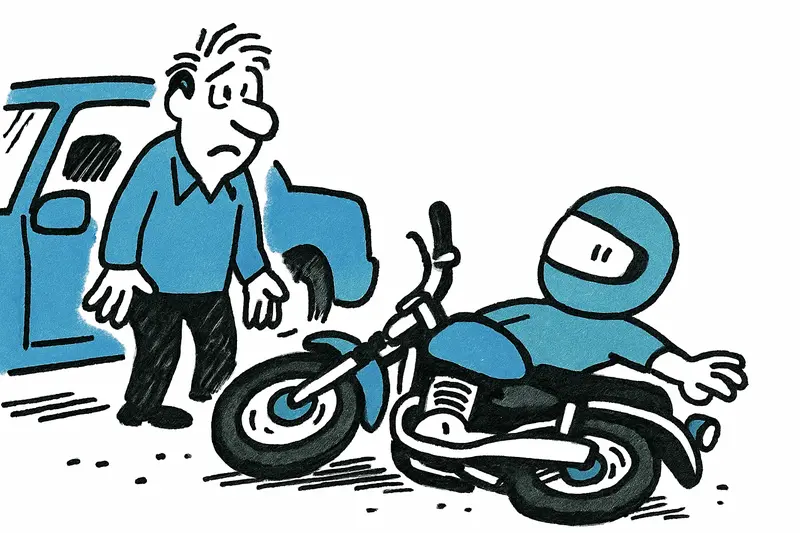
On the night leading into Thursday, a 36-year-old man lost his life in a serious collision in the Son Oms industrial area. The accident occurred just outside Palma, near the airport, at around 0:20 a.m. According to eyewitnesses, emergency services were on the scene a few minutes after the emergency call and attempted resuscitation as well as measures from the mobile intensive care unit. Nevertheless, the motorcyclist died at the scene.
The Guardia Civil has opened an investigation; the cause is still unclear. Whether speed, visibility conditions, driver error or a technical defect played a role is currently being examined. For many residents and night-shift workers, however, the incident is no longer an isolated event but part of a worrying series, as discussed in Why Are So Many Motorcyclists Dying on Mallorca? A Reality Check after the Llucmajor Accident.
Neighbors, night shifts, nighttime soundscape
Those who work at night in Son Oms know the soundscape: delivery vans, lorry engines, voices by the warehouses, the distant hum of airport machinery. Between midnight and two o'clock there is a short, loud phase — on top of that are taxi drivers and people returning from bars. Some residents reported that around 0:30 a.m. they saw blue lights and emergency personnel on the phone. "You hear the sirens, go to the door and hope it doesn't hit one of us," says a woman who works near a 24-hour bakery.
The nighttime activity changes the risk situation: visibility is worse, drivers are more tired, controls are less frequent. These factors add up faster than one might think.
A series — or a systemic problem?
This accident is the third fatal incident within a few days: earlier in the week a 49-year-old motorcyclist in Capdepera died after a collision with a car, and a 28-year-old man in Sant Jordi died after crashing into a truck. The cluster has sparked conversation around the island — at bar counters, in workshops and on buses, a pattern examined in Three serious accidents in one night: What's wrong with Mallorca's country roads?.
The central question is: is this a sad cluster of unfortunate individual fates — or do these accidents reveal structural weaknesses? The cluster comes amid a wider trend documented in More traffic fatalities in the Balearic Islands: Why are so many motorcyclists affected?. Three aspects are often overlooked:
1. Infrastructure and lighting: Industrial areas and access roads around airports are not always designed for the mix of heavy traffic, delivery vans and fast two-wheelers at night. Missing lighting, unsuitable road surfaces and unclear junctions can promote accidents.
2. Work rhythms and economic pressure: Night work on the island is ubiquitous — supply chains, hospitality, airport operations. Fatigue, time pressure and long shifts increase the likelihood of mistakes. Little noticed: many employees depend on punctual deliveries; that creates added risks.
3. Controls and prevention: Police checks and road safety campaigns often focus on the main holiday season and daytime hours. Nighttime road safety remains comparatively neglected.
What could help now
The discussion must not consist of sympathy alone. Some pragmatic measures would have a short-term effect, others require medium-term implementation:
Short-term: Intensified nighttime checks at known accident hotspots, temporary speed reductions and mobile speed measurements. Conspicuous stretches could be equipped with reflective posts and additional warning signs.
Medium-term: Improved street lighting in industrial areas, redesigns of confusing junctions, protective islands for cyclists and motorcyclists, and targeted safety campaigns for night-shift businesses. Employers could also take responsibility: flexible delivery windows, carpooling and rest breaks before long drives would help.
Long-term, a strategic view is needed: which roads should remain open for fast traffic and which should be calmed? And how can different uses — airport, industry, residential areas — be better aligned?
Grief, questions, an appeal
A difficult time now begins for the bereaved. The island community is affected — concern mixes with the desire for answers. The Guardia Civil continues to ask possible witnesses to come forward so that the cause of the accident can be clarified. For everyone on the road: an appeal for caution, especially in the late hours. A moment of inattention can cost lives.
In the bars of Son Oms and the small workshops, the question lingers: have we learned from the previous cases — or are we waiting for the next night alarm? Mild evenings, the distant roar of aircraft and the quiet after midnight must not become a deceptive sense of safety.
Frequently asked questions
Are Mallorca roads more dangerous at night?
What should I do if I see a serious traffic accident in Mallorca?
Why are motorcyclists often involved in serious crashes in Mallorca?
Is Son Oms near Palma safe to drive through at night?
Why do industrial areas around Palma feel riskier at night?
When is the best time to drive in Mallorca if I want to avoid night traffic?
What safety improvements could help reduce accidents in Mallorca at night?
What should night-shift workers in Mallorca watch out for on the road?
Similar News

Maribel: Five Decades of Service – Housekeeper from Peguera Celebrated with a Special Honor
Over 50 years in the hotel business: María Isabel “Maribel” Molinos was honored in Palma at the Nit del Turisme by Unive...
Orange Alert over Parts of Mallorca: Are We Prepared?
Dark clouds and an announced wet spell have triggered an Orange alert in parts of Mallorca. A reality check: what's miss...

Sundair & Co.: Sale speculation and what it could mean for Mallorca
Rumors about a possible sale of the airlines Sundair and Fly Air 41, which belong to Schauinsland-Reisen — and whether b...
Anne Wünsche in Mallorca: A job offer with a catch — who fits the role of personal assistant?
Influencer Anne Wünsche has left Berlin and is urgently looking for a full-time personal assistant in Mallorca. Why the ...
Daily from New York: Palma Between Boom and Strain
United will increase the Newark–Palma route to daily flights in 2027 using Boeing aircraft (231 seats). What does the in...
More to explore
Discover more interesting content

Can Cap de Bou

Townhouse Lleo 72
