
Why Are So Many Motorcyclists Dying on Mallorca? A Reality Check after the Llucmajor Accident
Why Are So Many Motorcyclists Dying on Mallorca? A Reality Check after the Llucmajor Accident
A female motorcyclist died in a serious crash on the Ma-19 near Llucmajor. The number of fatal motorcycle accidents on the island is alarmingly high this year. A critical look at causes, gaps in the public debate and concrete measures.
Why Are So Many Motorcyclists Dying on Mallorca? A Reality Check after the Llucmajor Accident
Guiding question: What needs to change so that winding roads don't become a death sentence?
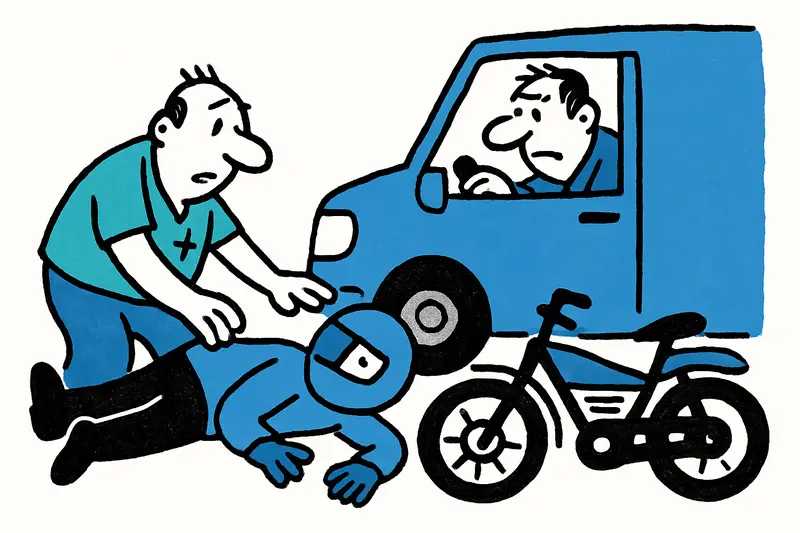
On Sunday evening a motorcycle ride ended fatally for a woman on the Ma-19 near Llucmajor. A minivan hit her and she died at the scene. The local police reported the incident; the Guardia Civil is investigating the circumstances. Such reports have become too frequent on the island this year: according to Too Many Deaths on Motorcycles: How Mallorca Can Stop the Summer Trend, around 15 motorcyclists have already died in traffic accidents.
This cannot be written off as mere bad luck. Anyone standing at the gas station in Llucmajor in winter, smelling the cold air and hearing the occasional motorcycles, quickly notices: Mallorca is almost a magnet for two-wheelers. Curves, viewpoints, narrow mountain roads — all of this is tempting. But the combination of attractive routes, varying rider skills and mixed traffic is dangerous.
Critical analysis: More than just speed
The usual explanations — alcohol, excessive speed, distraction — are correct, but only partly. In Mallorca additional factors converge: many tourist riders with little local knowledge; rental bikes with varying maintenance and equipment; roads that are hard to see in places or have abrupt lane narrowings; changing light conditions in valleys and at sunset. In addition, motorcycles are easier for car drivers to overlook, especially in curves and at junctions.
Another point: the distribution of enforcement and infrastructure investment appears unsystematic. At some accident hotspots there are clearly visible signs and bollards, while at others — such as stretches of the Ma-19 — there are often missing segments of clear lane separation or complementary safety measures like rumble strips, additional lighting or protected exit lanes.
What is missing from the public debate
The public debate often focuses on questions of blame: riders versus pedestrians, tourists versus locals. What is missing are concrete numbers and locally disaggregated analyses — which stretches are particularly dangerous, at what times of day and under which weather conditions? Also rarely discussed is the role of rental companies that do not sufficiently document safety checks and briefings, and the technical quality of rental bikes. Those who rent a bike in Portocolom or Palma often receive no proper briefing about local danger spots.
A scene from everyday life
Imagine the Ma-19 shortly after sunset: on one side a paramedic vehicle is flashing, on the other a delivery van with its rear door open is parked. A group of young people at the next bus stop loudly talks about their day trip to Palma, two pensioners return from the market in Llucmajor. The Guardia Civil directs traffic, passersby hurriedly take out their phones, then traffic moves on — and few people know how many lives are fragile at this spot.
Concrete solutions
1) Upgrade infrastructure selectively: rumble strips before danger points, additional white lane markings, visible guideposts, better road lighting at critical sections and deployable mobile barriers at narrow exits.
2) Build a data basis: a public accident and hazard map portal for Mallorca that lists accidents by road, time, weather and vehicle type; this would allow real hotspots to be prioritized.
3) Regulate rental companies: mandatory safety checklist on handover of motorcycles, proof of a short local briefing (also possible digitally) and regular technical inspections.
4) Enforcement and flexible controls: location-based speed checks, more fixed and mobile speed measurements during the season as well as intensified alcohol and drug controls on weekends.
5) Education and training: free short training sessions for rental riders in tourist centers, multilingual information material at rental stations and clearly visible warning signs on popular routes.
6) Optimize emergency care: more AEDs (defibrillators) at parking areas, training local first responders in villages and shorter response times through strategic placement of rescue resources.
Who must act?
A coordinated approach is needed: municipalities, the island government, the Guardia Civil, road operators and the motorcycle industry. Individual appeals are not enough. A pilot region — for example a section of the Ma-19 or winding parts of the Ma-10 — could test rapid measures: markings, enforcement, information campaigns and then an evaluated expansion.
Concise conclusion
The number of fatalities is not an abstract statistic but people whose families are left with gaps. Mallorca must not romanticize its curves while ignoring the risks. It is time for data, clear priorities and small, quickly implementable measures that can save lives. Otherwise the same scene remains after every accident: blue lights, torn jackets, flickering warning lights — and the question whether we did enough to prevent it.
Frequently asked questions
Why are motorcycle accidents in Mallorca such a concern?
Are Mallorca's mountain roads safe for motorcyclists?
What should I know before renting a motorcycle in Mallorca?
Is the Ma-19 near Llucmajor a dangerous road for motorcycles?
What time of day is most risky for riding a motorcycle in Mallorca?
What can Mallorca do to improve road safety for motorcyclists?
Why do tourists on motorcycles face extra risks in Mallorca?
What safety steps are most important for riding a motorcycle in Mallorca?
Similar News

Maribel: Five Decades of Service – Housekeeper from Peguera Celebrated with a Special Honor
Over 50 years in the hotel business: María Isabel “Maribel” Molinos was honored in Palma at the Nit del Turisme by Unive...
Orange Alert over Parts of Mallorca: Are We Prepared?
Dark clouds and an announced wet spell have triggered an Orange alert in parts of Mallorca. A reality check: what's miss...

Sundair & Co.: Sale speculation and what it could mean for Mallorca
Rumors about a possible sale of the airlines Sundair and Fly Air 41, which belong to Schauinsland-Reisen — and whether b...
Anne Wünsche in Mallorca: A job offer with a catch — who fits the role of personal assistant?
Influencer Anne Wünsche has left Berlin and is urgently looking for a full-time personal assistant in Mallorca. Why the ...
Daily from New York: Palma Between Boom and Strain
United will increase the Newark–Palma route to daily flights in 2027 using Boeing aircraft (231 seats). What does the in...
More to explore
Discover more interesting content

Can Cap de Bou

Townhouse Lleo 72
