
Too Many Deaths on Motorcycles: How Mallorca Can Stop the Summer Trend
The number of fatal motorcycle accidents in Mallorca has risen significantly this summer. Why are bikers so often affected, which factors are hardly discussed — and which concrete measures could save lives?
Too many deaths on Mallorca's roads: Motorcycle accidents in focus
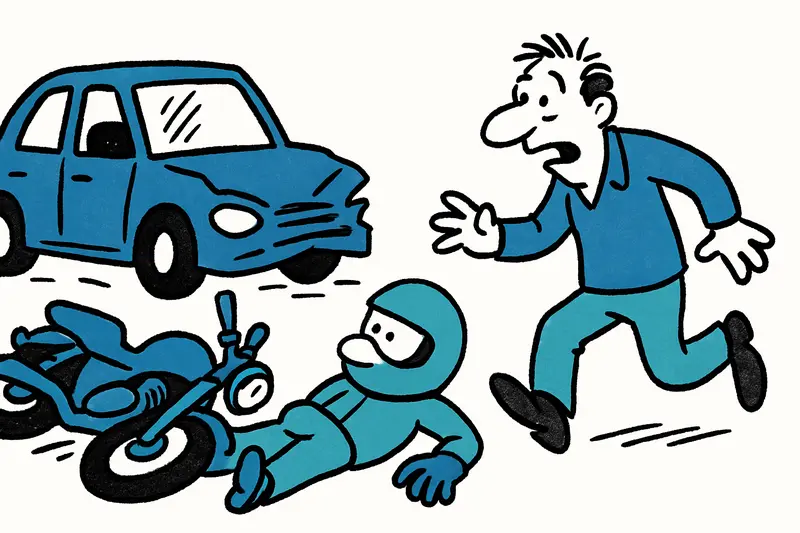
Summer brings sun and sea — and unfortunately also more fatal motorcycle accidents. In the first months of this year, 38 people died on the roads of the Balearic Islands; nearly 42 percent of them were motorcyclists, a trend documented in More traffic fatalities in the Balearic Islands: Why are so many motorcyclists affected?. This is no longer an abstract statistic pictogram, this is the reality on the MA-10, on the MA-19 (see Why Are So Many Motorcyclists Dying on Mallorca? A Reality Check after the Llucmajor Accident) and in small village throughways: screeching tires, the chirp of cicadas and the siren of an ambulance in the late afternoon.
Numbers and patterns: What lies behind the statistics
Particularly alarming: between June and early September alone, ten bikers died. The cluster on weekends along popular panoramic routes is striking. Many accidents occur in curves, often during overtaking maneuvers or when riders enter a tight hairpin at speed and with little distance. Rescue services report multiple traumas and severe head injuries — time for hope is often short when the emergency doctor arrives on scene.
Why it gets worse in summer
More vehicles, more riders, more risk: on warm Saturdays, sporty locals mix with large tourist groups on rental bikes and commuters. The combination of heat, fatigue and unfamiliar road conditions is toxic. Heat strains concentration and changes driving behavior; tires show different grip behavior at high temperatures, yet few riders think about an extra stop for a check. When the sun sets, the coastal promenades fill up, light becomes flatter — and many critical situations arise precisely in these late afternoon hours.
Underestimated factors that are rarely discussed
Four points often fall by the wayside in local conversations: the role of rental motorcycles, the quality of helmets and protective clothing, language barriers and post-accident care. Rental machines are frequently handed to inexperienced riders; insurance conditions, briefings or courses are missing or too short. This is explored in Why Mallorca Remains Dangerous for Bikers — and What Could Really Help. Many tourist riders do not know local danger spots — tight successive bends, loose gravel in forest passages, road slippage after rain. Also: not every helmet offers the same protection, and in hot weather some wear the bare minimum of protection just to avoid sweating. Anyone already exhausted after a long ride back from the beach will have significantly reduced reaction ability.
Concrete opportunities and solutions
The figures are a wake-up call, but they also point to clear actions: politicians and authorities should implement targeted seasonal measures — not only more speed cameras, but data-driven prevention. That means: systematically mapping accident hotspots, introducing temporary speed limits on weekends and requiring rental stations to provide safety briefings in multiple languages. Motorcycle clubs and instructors rightly call for better signage and guardrails on tight bends; these are structural measures that can visibly save lives.
There is also leverage in training and incentives: mandatory refresher courses for sporty riders, subsidized safety training for locals and visitors, insurance discounts after participation in recognized programs. Events like free check-days for brakes and tires at the start of the season would bring low costs and large safety benefits.
Strengthening the rescue chain — from accident site to hospital
Not to be forgotten is the care chain: rapid first aid, short transport times and well-equipped trauma centers are crucial. Small steps could help here — more rescue points along the MA-10, better radio coverage in Tramuntana valleys and targeted training for first responders in tourist towns. Systematic monitoring of emergency load on weekends can also help plan personnel reserves more precisely.
What riders and residents can do now
On an individual level, simple rules often suffice: ride defensively, keep distance, wear full protective gear even at 30°C, use visible reflectors, check brakes regularly and take shorter rides in extreme heat. Residents and café owners can also contribute: warning signs at dangerous sections, local information campaigns in several languages and talking to known speeders among friends — often a conversation is enough to send someone to a course.
The sad toll is a call for cooperation: authorities, rental companies, clubs and the local community must agree on pragmatic steps. It's not about bans for everyone, but about smart, targeted measures that keep Mallorca a stunning yet safe motorcycle destination. If we act now — with clear rules, better structures and more prevention — we can prevent more Sunday rides from ending in tragedy.
Frequently asked questions
Why are motorcycle accidents in Mallorca more common in summer?
What roads in Mallorca are especially dangerous for motorcyclists?
Are Mallorca rental motorcycles a safety risk for tourists?
What should I wear when riding a motorcycle in Mallorca in hot weather?
Is it more dangerous to ride a motorcycle in Mallorca at sunset?
How can Mallorca reduce motorcycle deaths on its roads?
What can motorcyclists do to stay safer on Mallorca roads?
Why do Mallorca’s mountain curves cause so many motorcycle crashes?
Similar News
Release after bloody attack in Palma: Why the court's decision raises questions
An 18-year-old who allegedly inflicted a serious neck injury on a man at Plaza Gomila using a wristwatch wrapped around ...
Kidnappings in Inca: Three young men forced into car trunks and abused in the forest – a reality check
In Inca, three 18-year-old men were forced into car trunks by masked assailants at the Plaça des Bestiar, taken to a for...
Spreading Massification: The Brake That Still Has Much Work to Do
Marga Prohens announces limits on volume tourism. The measures sound harsh — but are they enough to save everyday life, ...
Through the Keyhole onto the Party Yacht: How Daniela Katzenberger Is Planning Her 40th on Mallorca
Daniela Katzenberger turns 40 and wants to celebrate it on the island — likely with a boat, cake and her mother. A relax...
By Boat Instead of the Road: Palma's Water Bus — a Reality Check
The 'Bus Nàutic' launches in two stages — but questions remain over interim operations, fares and environmental requirem...
More to explore
Discover more interesting content

Can Cap de Bou

Townhouse Lleo 72
