
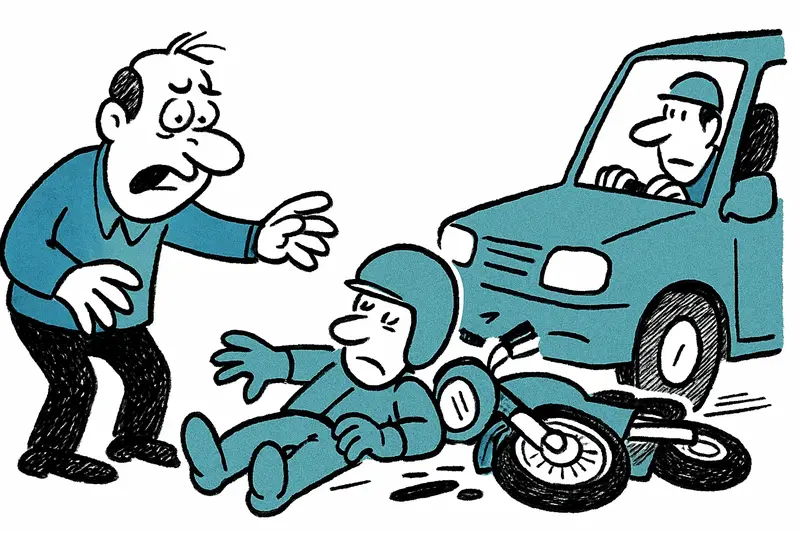
More traffic fatalities in the Balearic Islands: Why are so many motorcyclists affected?
The number of traffic fatalities in the Balearic Islands has risen – especially motorcyclists are affected. A critical look at causes, gaps in prevention and concrete measures that could help now.
More traffic fatalities in the Balearic Islands – why motorcyclists in particular?
34 deaths on the islands' roads this year: the number is not just a statistic; it sounds like an alarm, as highlighted in Too Many Deaths on Motorcycles: How Mallorca Can Stop the Summer Trend. During a walk on the Paseo Marítimo you hear the hum of scooters, the squeal of tyres in the bends of Santa Ponça and in the evenings the sirens that sound more serious than usual. The key question remains: why is it that bikers so often do not make it home?
A look at the numbers and what they do not say
About 41 percent of fatal accidents involve motorcycles. That is striking, but not surprising, as noted in Why Mallorca Remains Dangerous for Bikers — and What Could Really Help. Motorcycles make injuries more visible and often more severe. What is missing from the statistics: the composition of the riders. Are they locals, rental customers, young riders from abroad, delivery drivers under time pressure? And how much does the time of day play a role – many incidents occur at dusk or in the early morning hours when the roads are still damp from the sea and visibility is worse.
The obvious causes – and those hardly discussed
Alcohol, excessive speed, distraction from smartphones: these are the classic triggers. But beneath them are layers that receive less attention. Rental agreements for motorcycles and scooters often do not include a safety briefing. Lighting and road upkeep in side towns are unequal – potholes or poorly visible guideposts become deadly traps in a bend. Added to that are work pressure and delivery traffic: young couriers rush through Palma in the rain, delivering food between old alleys and collision points. A recent piece, Why Are So Many Motorcyclists Dying on Mallorca? A Reality Check after the Llucmajor Accident, looked at one tragic case.
Another blind spot: helmet quality and protective clothing. Yes, many wear helmets. But do they meet European standards? Do they fit properly? And how many prefer light shoes over protective boots on the short trip from hotel to beach bar? These details often decide between life and death. Guidance on helmet effectiveness and road safety is summarised in the WHO fact sheet on road traffic injuries.
What rescue workers report – a split second
Paramedics tell of accidents that happen in a moment. An evasive manoeuvre, a glare from the low sun, a misjudged overtaking manoeuvre. The voices are experienced but tired: the frequency of deployments is increasing, so is exhaustion. With every accident families, jobs and holidays are affected. The consequences are felt locally – cafés at the harbour that see fewer customers on Sundays, neighbourhoods clearing space for wreaths.
What must be done now – concrete proposals
Controls help, say the authorities. More measuring devices, more breath tests, focused checks at hotspots. This is in line with European Commission road safety data and recommendations. That is necessary, but not enough. We need a second level of measures:
1. Rental and information obligations: Motorcycle and scooter rental companies should provide a brief safety briefing – in several languages – and check that helmets are the right size. A simple check-out protocol could save lives.
2. Promote protective clothing: Subsidies or discounts for certified protective gear with long-term rentals, partnerships with local retailers. A high-quality helmet is cheaper than a hospital stay.
3. Adapt infrastructure: More lighting on critical stretches, more visible signage in bends, regular road maintenance. On some coastal roads the guideposts are still from another era – modernised markings reduce uncertainty.
4. Improve couriers' working conditions: Inspections at delivery companies, clear rules on working hours and breaks. When people ride under time pressure, the risk rises dramatically.
5. Data-driven approach: Map accidents, analyse hotspots and set targeted measures – instead of rigid, general campaigns. The island is small enough to work selectively.
An appeal from everyday life
Anyone who is out here — local, tourist, courier — should pause while riding, even if only for a moment. Helmet on, lights on, reduce speed. A clear head often helps more than the best sat nav. And the authorities? They must not just flash lights now, but act: precisely, visibly and at the critical points.
Walking on the Paseo, the scent of sea and petrol, the voices of the rescue workers — they remind us that every number has a face. If the island community pulls together, short-term checks and long-term structural measures can work together. The coming weeks should show whether we draw the right conclusions from the sad numbers.
Frequently asked questions
Why are so many motorcyclists involved in serious accidents in Mallorca?
Is it safe to ride a scooter or motorbike in Mallorca at night or early in the morning?
What should I check before renting a scooter in Mallorca?
Do helmets and protective gear really make a difference on Mallorca roads?
Are Mallorca’s coastal roads dangerous for motorbikes and scooters?
Why are delivery riders in Palma at higher risk on the road?
What road safety measures are being suggested for Mallorca?
What is the best way to stay safe on a motorbike or scooter in Mallorca?
Similar News
Release after bloody attack in Palma: Why the court's decision raises questions
An 18-year-old who allegedly inflicted a serious neck injury on a man at Plaza Gomila using a wristwatch wrapped around ...
Kidnappings in Inca: Three young men forced into car trunks and abused in the forest – a reality check
In Inca, three 18-year-old men were forced into car trunks by masked assailants at the Plaça des Bestiar, taken to a for...
Spreading Massification: The Brake That Still Has Much Work to Do
Marga Prohens announces limits on volume tourism. The measures sound harsh — but are they enough to save everyday life, ...
Through the Keyhole onto the Party Yacht: How Daniela Katzenberger Is Planning Her 40th on Mallorca
Daniela Katzenberger turns 40 and wants to celebrate it on the island — likely with a boat, cake and her mother. A relax...
By Boat Instead of the Road: Palma's Water Bus — a Reality Check
The 'Bus Nàutic' launches in two stages — but questions remain over interim operations, fares and environmental requirem...
More to explore
Discover more interesting content

Can Cap de Bou

Townhouse Lleo 72
