
Only 14 euros per night: How Son Amer is getting hikers on Mallorca excited about mountain huts again
Only 14 euros per night: How Son Amer is getting hikers on Mallorca excited about mountain huts again
The Son Amer refuge in the Tramuntana mountains recorded more than 9,200 overnight stays in 2025. A look at the numbers, the atmosphere on site and why such mountain huts are important for the island.
Only 14 euros per night: How Son Amer is getting hikers on Mallorca excited about mountain huts again
The simple hut on the GR-221 draws people in — and is good for the island
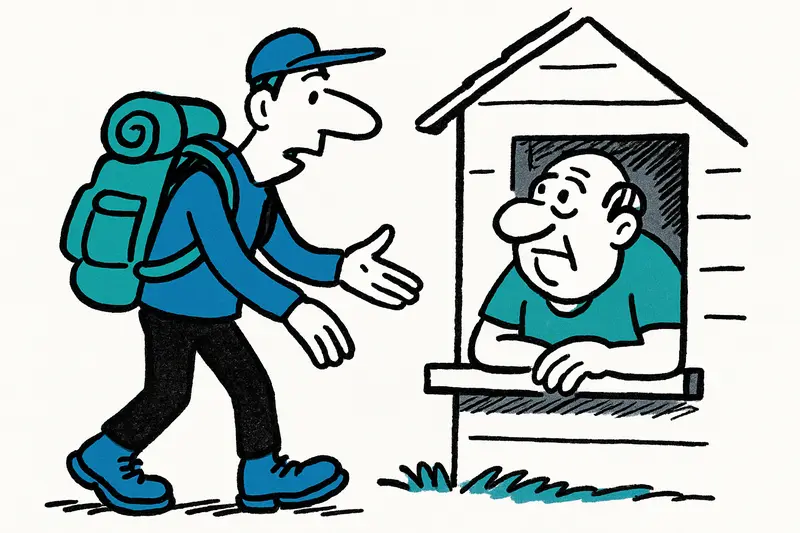
It smells of damp stone and fired wood when you take the path up to the Son Amer refuge on a cool morning. The hut sits on a hill above the Lluc valley, 530 metres high, and has 52 beds spread across six dormitory rooms. Last year 9,246 people sought out this exact place — as many as ever before at Son Amer.
The figures reported by the island council are clear: in 2025 a total of 43,222 guests stayed overnight in the seven mountain huts run by the island. This is a new annual record and corresponds to an occupancy that appears to have risen by around 7.4 percent compared with the previous year. In addition to Son Amer, Tossals Verds, Can Boi, Muleta, Pont Romà and Galatzó each recorded several thousand overnight stays; Sa Coma d'en Vidal, which reopened in April after a longer closure, reached 250 overnight stays in nine months, as reported when the refugios reopened after the summer break.
What makes Son Amer special is the mix of simplicity and comfort: dormitory rooms, showers, hot water, heating, electricity, Wi‑Fi and even a fireplace ensure that the visit is not an ordeal in the name of adventure. The price remains low: 14 euros per person, an amount that allows budget-minded hikers to spend more time in the mountains.
On the GR-221, the popular dry-stone route, you can sense this development in everyday life: groups with backpacks pass by, lone hikers dry their boots by the stove, and the evening soundscape consists of quietly clattering pots, laughter and the distant ringing of a village church. The months from April to October are the busiest, but the Christmas period is also popular: between 27 December and 6 January, 1,460 places in the huts were occupied, with many guests coming from Spain, mirroring reports that the refuges were fully booked during a holiday weekend.
For Mallorca this is more than a number on paper. These huts spread tourism into the mountain regions, relieve the coastal towns and keep a piece of traditional infrastructure alive: dry stone walls, trails, simple accommodations. Visitors who spend a night in Son Amer often meet locals, hear stories of decades-old paths and take home a different Mallorca than the one of the hotel promenade.
Those planning a hut stay themselves benefit from the offerings: early reservations during peak season, weatherproof clothing, enough water and respectful behaviour are simple rules. For the island, moderate prices and state-run facilities are crucial to give hikers from different countries and budgets access to the mountains.
Looking ahead: the increased demand shows that a nature-focused, slower form of tourism is popular on Mallorca. If the island council and local communities maintain trails, operate huts and preserve access, a win‑win situation arises: hikers find experiences away from the beaches, mountain villages remain lively, and the island gains a more sustainable form of visitation. You don't need much more than a backpack, sturdy shoes and curiosity — Son Amer takes care of the rest.
Frequently asked questions
How much does it cost to stay in a Mallorca mountain hut like Son Amer?
Is Son Amer a good place to stay while hiking the GR-221 in Mallorca?
What facilities does Son Amer offer to hikers in Mallorca?
When is the best time to book a mountain hut in Mallorca?
Why are Mallorca’s mountain huts becoming more popular again?
Where is Son Amer located in Mallorca?
Do Mallorca mountain huts stay open in winter?
What should you pack for an overnight stay in a Mallorca mountain hut?
Similar News
So Many Tonnes: What Mallorca's Garbage Boats Accomplish — and What's Missing
23 boats patrol in summer, and 36.8 tonnes were recently pulled from the water. The fleet is shrinking — is that still e...
No Identification Documents on the Steep Slope: Body near Tolleric Raises Questions
The body of an elderly man was found over the weekend in a wooded area near the cliffs of Tolleric. He had no identifica...
Arrest at the Port: Three Suspected Pickpockets Left Mallorca After Series of Thefts
The National Police stopped three men at Palma harbour who are accused of several thefts at the airport. How could the g...
Palma's Rental Bike Boom: More Bikes, More People, More City Life
Since Bicipalma was opened to non-residents, the system has noticeably grown. Students, residents and tourists bring lif...

Palma–Lyon in Winter: Two Weekly Flights Bring Fresh Momentum
From October Transavia France will connect Palma and Lyon in winter as well: Wednesdays and Saturdays, around 17,000 sea...
More to explore
Discover more interesting content

Boat Tour with BBQ along Es Trenc Beach

Private transfer from Mallorca Airport (PMI) to Pollensa
