
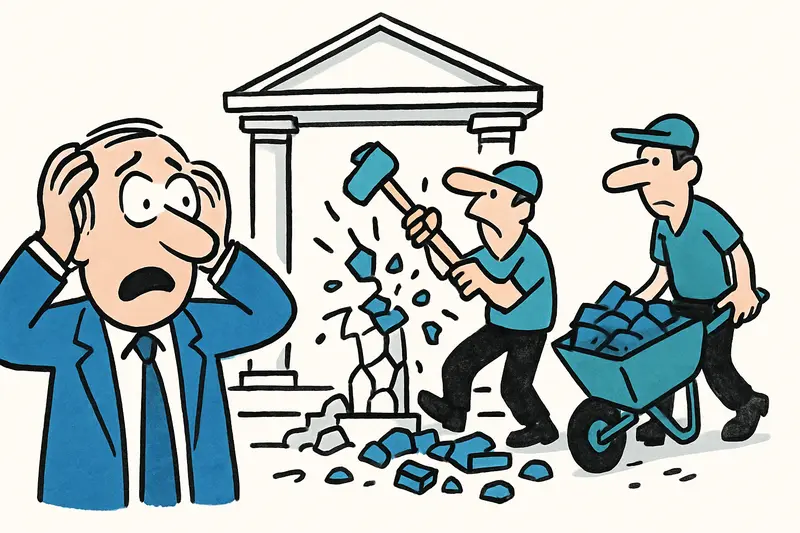
"A real catastrophe" - Who protects Raixa from its own renovators?
"A real catastrophe" - Who protects Raixa from its own renovators?
The newly restored state manor Raixa is causing an uproar: former owners and a respected architect speak of bad decisions, lack of transparency and a lost garden image. Who bears responsibility - and how can the damage be repaired?
"A real catastrophe" - Who protects Raixa from its own renovators?
Key question: For whom is a historic country estate restored - for the administration, for visitors or for what it once was?
When on a milder morning you drive up the small switchback road to Bunyola and the Tramuntana is still wrapped in blue-grey shadows, you can see the Raixa estate from afar. Previously rows of cypresses announced the style of the complex; today the eye falls on extensive beds, on clear, sparsely planted areas. To some: a tidied monument. To others: a loss of identity.
The criticism does not come out of nowhere: members of the family that owned the property until 2002 and the architect Bernardo Oliver Jaume accuse those responsible of serious errors. It's not just about a few trees. It's about a historical interpretation - the question of whether the complex should be preserved as an Italian-influenced villa or conceived as a newly thought-out, low-maintenance public garden project.
Critical analysis: What happened? From the facts described a pattern emerges. Decision-makers apparently intervened with a modern, simplifying concept - less effort, lower follow-up costs, better visitor flow. The result: characteristic elements like the cypresses disappeared, loggias and axes were interpreted differently, and detailed work sometimes appeared arbitrary. Added to this are reports of unclear procurement and workmanship processes - from the disappearance of old doors to the bizarre anecdote about the donkey that transported roof tiles, as seen in other cases such as the Medusa Beach rooftop terrace collapse.
What is missing from the public discourse: Mostly people discuss costs and openings, rarely conservation principles, long-term maintenance costs or the involvement of descendants and local residents. There is a lack of clear documentation of decisions: who approved the planting lists? What expert reports formed the basis of the project? Why were traditional tree lines such as the cypresses removed - as a design decision or for purely practical reasons?
An everyday scene from Mallorca: On Sunday morning locals sit in the café on the plaça in Bunyola, hear the clinking of coffee cups and quietly discuss Raixa. Some recall childhood picnics: cypress shade, stone benches, the scent of rosemary. Others see the renovated place as an opportunity: less work for the administration, new visitor groups, events. These tensions reflect the real dilemma: heritage conservation versus usage optimization.
Concrete solutions, not a fog of expert reports, but practicable steps: 1) Immediate, independent inventory of the building fabric and plant communities by an open panel of architectural historians, botanists and local farmers; 2) Reintroduction of a sustainable planting axis: where possible replant cypresses or equivalent visual and spatial markers and document them; 3) Open access to files: publish all contracts, reports and maintenance concepts online; 4) A five-year restoration plan naming restorative steps, costs and responsibilities; 5) Local monitoring with neighborhood representatives and expert supervision so that small decisions do not again lead to a major loss of identity; 6) Proof of craftsmanship: historic doors, stonework and traditional techniques should be inventoried and, where possible, conserved instead of replaced.
Particularly important is a revision of procurement practices: When public funds flow, the selection of companies and planners must be transparent, professionally justified and comprehensible to civil society, as debates around Manacor halts demolition of the Topaz apartments show. The case of the donkey that brought roof tiles is more than an anecdote - it is a warning sign of missing on-site coordination, reminiscent of the Artà roof collapse that revealed termites.
Punchy conclusion: Raixa is not merely an object of administration but part of a collective memory. If restorations are decided in such a way that design principles of historical provenance are simply eliminated, then we lose not only plants, we lose stories. It would be tragic if protecting against speculators ultimately led to the heritage being robbed of its identity. The solution is not to undo everything. The solution is transparency, expertise and the willingness to take local voices seriously - before an alleged rescue becomes a cultural clear-cut.
Frequently asked questions
Why is Raixa in Mallorca being criticised after its renovation?
What is the best time to visit Raixa in Mallorca?
Can you still enjoy Raixa in Mallorca if the landscape has changed?
What changes at Raixa in Mallorca upset critics the most?
How much transparency should there be in a Mallorca heritage restoration like Raixa?
What is the concern about keeping Raixa low-maintenance in Mallorca?
Who should have a say in restoring historic places like Raixa in Mallorca?
What does Raixa in Bunyola say about heritage protection in Mallorca?
Similar News

Record season, empty coffers: Who really benefits from the tourism boom?
Full hotels and more flights: the numbers sound impressive — yet many locals feel no benefit. A reality check with an ev...

Pool ordered for €46,000 – €23,000 paid, no work carried out: A fraud case in Palma
A homeowner in Palma transferred €23,000 for the construction of a pool. Weeks later it emerged that no building applica...
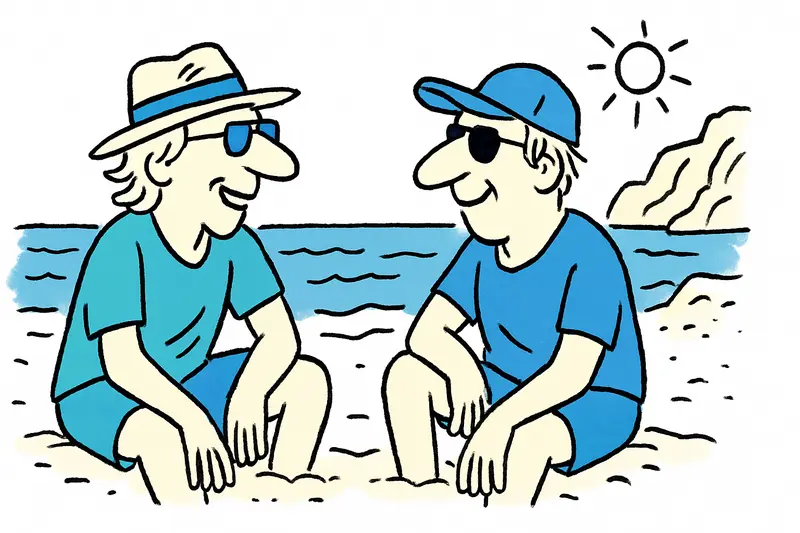
Summer greetings from the Pitiusas island: Gottschalk and Krüger enjoy the sun on Ibiza
A friendly photo of Thomas Gottschalk and Mike Krüger on Ibiza evokes memories of their shared film years and shows that...
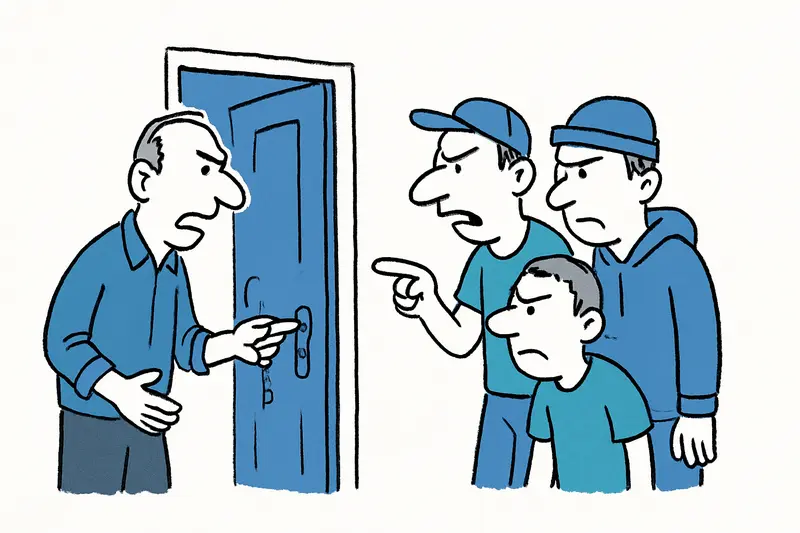
Occupied in a Few Days: When Property in Mallorca Turns into a Dispute
Six young men were arrested in Palma after homeowners returned and could no longer open their own door. A case that rais...
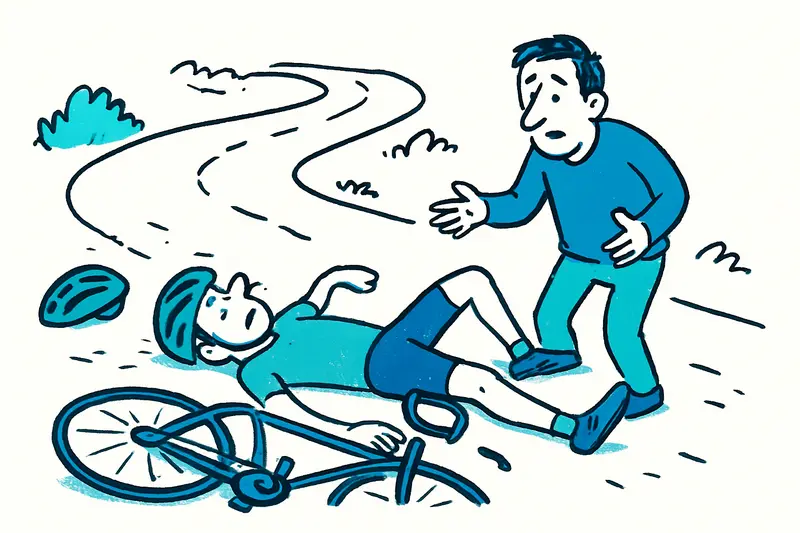
Serious fall at Port d’Andratx: Who protects cyclists on this route?
A 66-year-old German cyclist fell between Port d'Andratx and Camp de Mar, hit his head and was taken to hospital. One ac...
More to explore
Discover more interesting content

Can Cap de Bou

Townhouse Lleo 72
