
Feli of the "Deutsches Eck": How a landlady keeps Playa de Palma together
Feli of the "Deutsches Eck": How a landlady keeps Playa de Palma together
In the heart of Playa de Palma, Felicitas Bohrmann has long made sure that guests become neighbours. Her secret: closeness, consistency and a sense of order — even with complete strangers and partygoers.
Feli of the "Deutsches Eck": How a landlady keeps Playa de Palma together
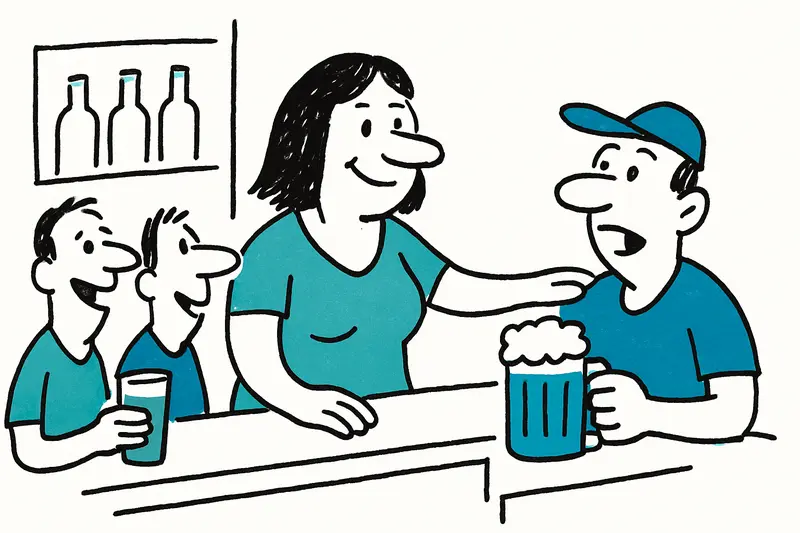
The wind carries the smell of roast chicken along the waterfront promenade, somewhere beer glasses clink, and people in flashy costumes stand in front of the venue — Adilettes with white socks gleam in the cool January light. This is what an afternoon at the "Deutsches Eck" on Playa de Palma looks like when Felicitas Bohrmann is behind the bar. Not a scene for silent servers: here people laugh, shout and tell stories as if sitting in the living room of a large, noisy family.
Felicitas is 41, moved here from Germany years ago and has been a fixed part of the Playa since 2010. As a young woman she already learned in hospitality how to keep hands, plates and nerves together amid chaos. Her path led via the restaurant XII Apóstoles back to the coast before she moved to the Deutsches Eck — a place that is as familiar to her today as it is to the many regulars who keep returning.
About 30 people are employed in the place; many stay for years. That stands out. Staff turnover is otherwise a constant in this industry. Not here. The reasons are simple: reliable routines, a sense of team and the owner's personal interest in the people sitting at the tables or standing behind the bar. If someone goes too long without eating or drinks too much, Felicitas intervenes — not to lecture, but to look after them. Many guests say they have already celebrated Christmas at the Deutsches Eck or stopped by during a Mallorca holiday and have remained loyal visitors ever since, similar to Holiday Sparks at the Playa: Heike Seeks Her Unknown Man from Bavaria.
What makes everyday life at the Ballermann so tolerable? A mix of clear rules and human warmth. Felicitas says outbursts are rare; usually a direct, brief instruction is enough. What annoys her most is one thing in particular: the scattered stickers that visitors leave everywhere. Her response is pragmatic and a little charming — a sticker album where guests can stick their souvenirs instead of spoiling the walls. A small rule that preserves the mood and keeps order.
Privately, the balance works similarly: in summer the working months are long and intense, in winter there is more time for trips with her husband Michael and their ten-year-old daughter. The family lives here, works here — and occasionally celebrates with the guests on the party strip. Despite an age difference of 16 years between Felicitas and Michael, their relationship is closely intertwined; at the business the motto is more often: competence before concessions.
The scene at the bar — the clinking, the chatter, the little care when someone falters — is more than touristy kitsch. It is an example of how hospitality in Mallorca can work: not just as a place of consumption, but as a social meeting point that connects work and neighbourhood. Such venues create reliability for employees and give the destination a face that brings many people back.
What other restaurateurs and businesses can learn from Felicitas is not rocket science: familiar routines, genuine interest in the crew, clear, simple rules — and small, creative solutions for recurring nuisances, as in Staying Instead of Returning: How Anett Keeps Playa de Palma Together with Her Sun Bakery. A sticker album instead of glue on the wall is such a small but effective trick. Fixed work schedules, shared meals for staff in quieter months and local regulars' nights also help strengthen bonds.
The Playa needs this kind of steadiness. In an industry often shaped by seasonal waves and quick profits, places like the Deutsches Eck feel down-to-earth. They provide jobs, create community and give the promenade a human face — even on grey January days when temperatures are around 15–16 °C and the Adilettes are still worn. Maybe that's the real strength: a place where strangers become acquaintances and the island therefore feels a little more like home.
A short outlook: if more businesses adopted such everyday rules, Mallorca could appear even more relaxed in the future — for visitors as well as for the people who work here. Inspiration often lies in small things: a listening ear, a fixed shift, a sticker album. Feli sets the example, and the Playa watches on — with a smile and a full glass in hand.
Frequently asked questions
What is Playa de Palma like in winter?
Can you still sit outside at Playa de Palma in January?
What kind of place is the Deutsches Eck at Playa de Palma?
Why do so many staff stay long-term in places like the Deutsches Eck in Mallorca?
What should I pack for Playa de Palma in January?
Is Playa de Palma just a party area, or is there local life too?
What is the best time of year to visit Playa de Palma if you want a calmer stay?
How do bars and restaurants in Playa de Palma keep order without losing the friendly atmosphere?
Similar News
Reality check: Palma's "white" torrent — harmless salt or neglected warning sign?
White crusts on the Torrent de Sa Riera are causing a stir. Emaya describes them as salt deposits. Our reality check: wh...
When Ryanair's fleet grows: What Mallorca's travelers should know
Ryanair will soon receive 737 Max 10 jets. The larger aircraft offer potential savings — but also new risks for flight o...
Rising fuel and housing costs: Why Mallorca's overland buses are suddenly overcrowded
More and more people are leaving Palma — and boarding TIB buses: Between January and August 2026, the network recorded o...

Carriages Without Horses: Palma Plans E-Carriages – a Reality Check
Palma plans to switch to electric carriages in 2027. The prototype was shown near the cathedral. What is the technology ...

Record season, empty coffers: Who really benefits from the tourism boom?
Full hotels and more flights: the numbers sound impressive — yet many locals feel no benefit. A reality check with an ev...
More to explore
Discover more interesting content

Can Cap de Bou

Townhouse Lleo 72
