
Fire at Alcúdia Hotel: Evacuation Succeeds — What Lessons Will the Island Learn?
A machine room fire in a hotel on Avenida de la Platja in Alcúdia triggered a large-scale evacuation last night. 18 people suffered minor smoke inhalation. Time to look at safety gaps and concrete improvements.
Machine room in flames: hectic minutes on a mild August evening
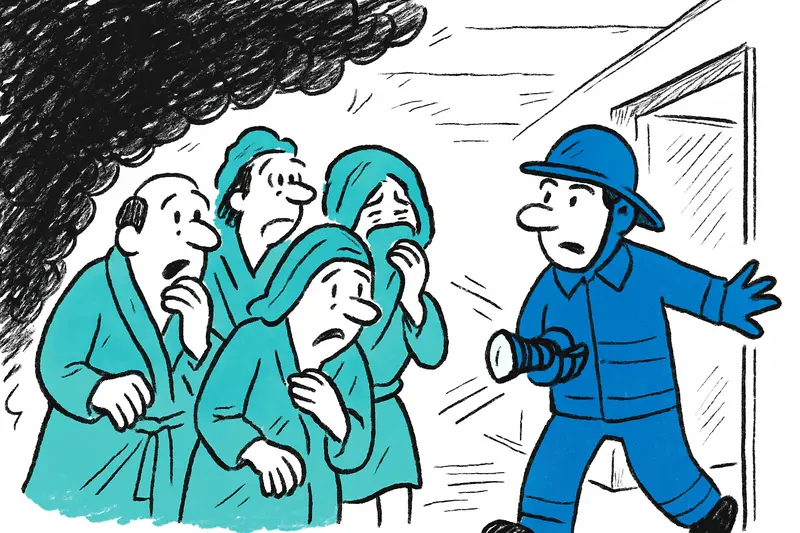
Around 6:20 p.m. yesterday evening — a mild breeze blew from the sea, the seagulls were still squawking — the fire alarm suddenly sounded in a large hotel on the Avenida de la Platja in Alcúdia. Thick, black smoke came from a technical room and quickly spread into the corridors. Eyewitnesses report guests in bathrobes sitting on the pavement with towels as blankets, torches on balconies and the constant wail of emergency vehicles. Firefighters from Palma and local units were quickly on site, and A fire in a hotel's machine room led to the evacuation of hundreds of guests provided local coverage.
Evacuation ran mostly smoothly — but not without problems
Most guests were led in an orderly fashion down the stairs to the outside; assembly points on the avenue filled quickly. Still, it was not a routine operation: some people were briefly trapped in an elevator until technicians shut the system down. Others had to be assisted from balconies; ladder sections and firefighting personnel ensured that no one climbed down on their own and that no one fell. Overall it is a stroke of luck: there are no serious injuries; 18 people were checked for respiratory irritation and mostly released, as noted in Incendio en un hotel de Alcúdia: cientos de huéspedes evacuados, 18 con intoxicación leve por humo.
Key question: How safe are hotels in Mallorca really?
The incident raises a central question: how well are the technical systems in large hotels maintained and how effective are internal alarm and evacuation concepts? Machine rooms are often cramped, full of cables and equipped with complex technology — when something goes wrong there, it can quickly become life‑threatening. Investigators currently suspect a technical defect or overheating; arson is not suspected, and the incident raises questions about compliance with frameworks like Código Técnico de la Edificación DB-SI fire safety requirements.
A look at overlooked weaknesses
Three points are often underemphasized in the public discussion: first, many hotels work with external technicians and subcontractors — how good is their documentation and oversight? Second, fire protection in technical rooms is often compliant on paper, but in practice automatic extinguishing systems or redundant ventilation are missing. Third, language barriers and guest fatigue (late returns from the beach, siesta breaks) delay reactions in an emergency.
Concrete improvements — not just suggestions
The incident points to tangible measures Mallorca should now pursue: regular, independent inspections of technical systems; mandatory automatic extinguishing and smoke extraction systems in machine rooms, in line with NFPA guidance on automatic sprinklers and fire suppression; standardized evacuation drills for staff; clear emergency information for guests in several languages already at check-in; and simple visible signs indicating escape routes in every corridor. Such steps cost money, but they prevent human tragedies and bad publicity.
Coordination between authorities and the hotel industry
Police and Guardia Civil handled the cordons, fire services and experts are investigating the cause — but there must be more than reactive measures. The local council could tighten inspection intervals, and insurers could offer incentives for preventive modernizations. For Mallorca as a dream destination, this is an opportunity: safety investments pay off in the long term through trust and repeat bookings.
Practical tips for guests and residents
What can travelers do immediately? Note where the emergency exits are when you check in. Avoid elevators during alarms. Keep escape routes clear — also as a resident: do not park in front of fire access roads. And if you see warnings or cordons, respect them; emergency crews work quickly so normal life can return soon.
A local scene to finish
The evening after the operation the Avenida de la Platja remained closed, the voices of the rescued mixing with the soft rustle of the sea. Some sat on the curb with a blanket, others spoke frantically with travel insurers. The hotel remains temporarily closed; alternative accommodation was arranged. For the island this means: a serious wake-up call, but also the chance to make safety standards more visible. And yes — a small personal tip from me: next time you end up on the pavement with a towel as a blanket, take a quick look for the emergency exits. You rarely think about them until things get serious.
Frequently asked questions
What should hotel guests in Mallorca do if a fire alarm goes off?
How safe are large hotels in Mallorca during a fire emergency?
Why are hotel machine rooms a fire risk in Mallorca?
What happens after a hotel fire evacuation in Mallorca?
What fire safety rules do Mallorca hotels have to follow?
How should you prepare for a hotel stay in Mallorca in case of an emergency?
Why is Alcúdia in Mallorca often mentioned in hotel fire news?
Can smoke exposure in a Mallorca hotel fire be serious even without visible injuries?
Similar News
Masked Images, Real Panic: When Social Media Aesthetics Alarm Neighbors
Five German content creators filmed on a recently vacated detention site using deceptively realistic props. The result: ...
Why the Striped Breams in Cala Pí Should Be a Wake-up Call
Once again bathers in Cala Pí were surrounded while swimming by small, nippy fish — some wounds bled. Time for clear rul...
Daily from New York: How Palma's Air Traffic Is Growing — and What Must Change
United will increase the Newark–Palma service to daily flights in 2027 (Boeing, 231 seats). Strong tourist numbers clash...
When Love Ends in Shards: Destruction in Son Vida and the Questions That Remain
In Son Vida a relationship dispute escalated: a woman destroyed furniture in a luxury villa, later pressed a panic butto...
Who Bears the Burden? Mallorca Between Tenant Protection and Landlord Fears
Madrid's new housing decrees strengthen tenant rights — but on Mallorca concern is growing: will the law drive small lan...
More to explore
Discover more interesting content

Can Cap de Bou

Townhouse Lleo 72
