
Fire in Sa Presó: Why Palma's Eviction Plans Need More Than Demolition
Fire in Sa Presó: Why Palma's Eviction Plans Need More Than Demolition
Another fire in the occupied Sa Presó detention center: several people suffered minor injuries, over 200 people were on site. An eviction is imminent — but questions about security, health and replacement housing remain unanswered.
Fire in Sa Presó: Why Palma's Eviction Plans Need More Than Demolition
Key question: Can the city house people safely and at the same time create affordable housing without putting them back on the street?
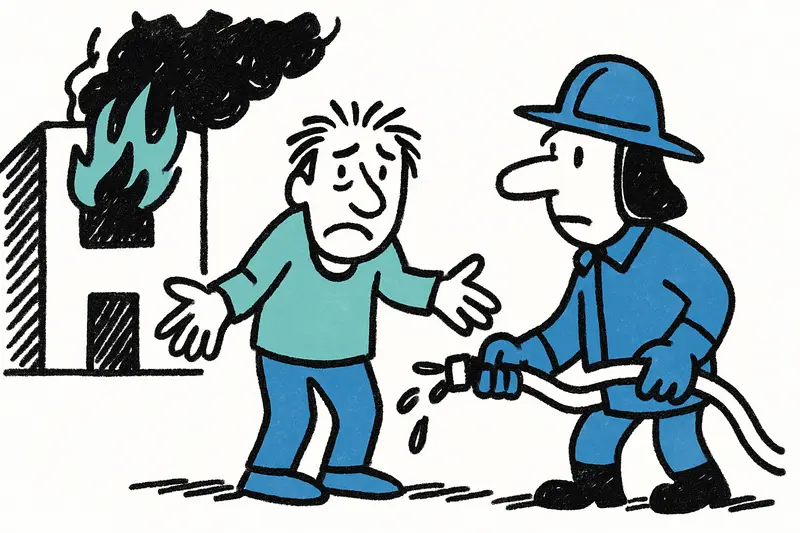
On Wednesday afternoon, around 3:30 p.m., dark plumes of smoke rose from the second floor of the former Sa Presó detention center. Firefighters, local police and rescue teams from SAMU 061 arrived quickly; several people had inhaled smoke and were treated on site. The flames were contained quickly, and the fire department then carried out extensive securing works to check structural stability and air quality.
The building, directly within sight of the Ocimax shopping center, has been occupied for some time. Official records currently list 226 residents; after deadlines expired, 45 objections to an eviction were registered. The city controls the site around the clock and is pushing plans for a demolition plus the construction of around 130 publicly subsidized apartments, with offers for older people, those in need of protection, and people with disabilities. Cooperation with social organizations such as the Sant Joan de Déu Foundation is planned.
Critical analysis: The fire is not an isolated incident but a symptom; other recent incidents include Fire on the outskirts of Palma: When improvised settlements become a ticking time bomb, Fire near Porto Pi: What the blaze reveals about safety in Palma, and an attempted arson reported in Es Molinar in Shock: Attempt to Set a Housemate on Fire – What Needs to Be Done Now. A decaying concrete shell, improvised installations, open cooking areas and narrow corridors are a safety risk — you can see that immediately when standing at the gate as the sirens fade. But simply stating that a building is unsafe is not enough. So far, legal steps and technical planning have dominated; the social management of the people on site often remains a side issue.
What is missing in the public discourse: First, a detailed, timely plan for short-term, safe accommodations. Second, a binding offer for health checks and psychological support after a fire, even if injuries were 'minor'. Third, transparency about timelines, costs and the participation of residents in decisions — otherwise mistrust and resistance will grow. Fourth, realistic transitional solutions: who leaves the house spontaneously, who needs care, who has papers or is entitled to social benefits?
A scene from everyday life: In the morning vendors at the kiosk next to Ocimax sit with a cappuccino in hand, hear the wail of sirens, smell burnt smoke and exchange glances. An older woman at the street corner says quietly, 'These people have been living like this for a long time; you know them.' Children coming home from school run past the cordon; makeshift notes with phone numbers are hung on a wall. Such impressions show: it's not just about concrete, but about people, networks and neighborhood.
Concrete solutions the city should now consider: 1) Provide short-term safe, supervised emergency accommodations in modular units, ideally close to existing social infrastructure so that schools, jobs and networks can be preserved. 2) Deploy mobile health teams to identify and document respiratory and mental health problems early. 3) A binding roadmap for relocation with clear deadlines, contacts and legal advice for those affected. 4) Involvement of social providers and residents' representatives in planning the new social housing to realistically shape needs and access rules. 5) Document and have the building's safety works independently reviewed before making demolition-relevant decisions.
In practical terms this means: Demolition is a step, not a goal. If 226 people become 226 homeless after the eviction, the administration has shifted the problem, not solved it. A new building with 130 flats can help — but it cannot be the only answer. There must be a bridge between housing today and completion tomorrow: emergency solutions, support, integration; lessons from cases such as Son Banya before the eviction: Court confirms Palma as owner — and now? underline the complexity of moving from legal clarity to practical implementation.
Conclusion: Palma's authorities now have a justification for the eviction — safety. But law and security must go hand in hand with social responsibility. Otherwise Sa Presó will be remembered as another scene of a failed transition: an exposed problem that is merely waiting for the next crisis.
Frequently asked questions
Why is the former Sa Presó building in Palma considered unsafe?
What happened in the fire at Sa Presó in Palma?
What is Palma planning to do with Sa Presó?
How many people are living in Sa Presó in Palma?
What happens to people if Sa Presó is evicted in Palma?
Is Sa Presó near Ocimax in Palma still being monitored?
Why do officials say demolition alone is not enough for Sa Presó in Palma?
What kind of support should residents of Sa Presó in Palma receive after the fire?
Similar News
When the Wallet Becomes a Danger: Attack in Peguera and Lessons for Mallorca
In Peguera, two women are said to have stolen the wallet from a 75-year-old German couple. When the victim intervened, t...
Plata stays Plata: Young people take over, Llonguets remain
A small bar on Carrer de l'Argenteria will continue: Tolo Serra hands the place over to young Mallorcans at the end of t...
Unnoticed in the Luggage Compartment: How a Boy Traveled More Than 100 Kilometers in a Team Bus
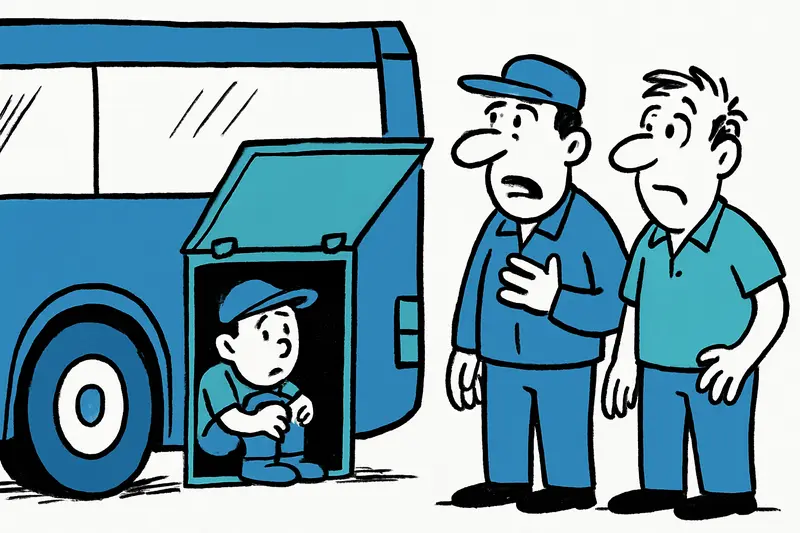
A minor traveled in the undercarriage of a team bus for more than 100 kilometers until his cries for help were heard. A ...

Cap Vermell Grand: Second Michelin Key – a Gift for the East
The Cap Vermell Grand in Capdepera has been awarded its second Michelin key. For the region this elevates the luxury off...
Eurowings lets four aircraft carry names – a friendly idea that also reaches Mallorca
Eurowings is launching a campaign: four Airbus A320s are to carry the first names of people who help others in everyday ...
More to explore
Discover more interesting content

Can Cap de Bou

Townhouse Lleo 72
