
Short Circuit in Santa Ponça: Why a Lighted Sign Almost Caused a Disaster
A lighted advertising sign caused a fire in a bar on Avinguda de Santa Ponça. Around 20 apartments were evacuated — the incident exposes weaknesses in urban safety.
Short Circuit in Santa Ponça: Why a Lighted Sign Almost Caused a Disaster
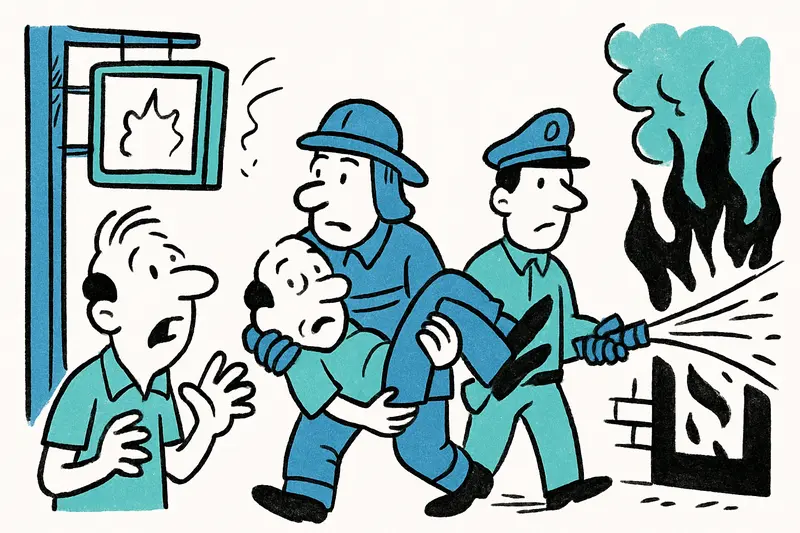
Yesterday at around 7:10 p.m., Avinguda de Santa Ponça briefly became a place where sirens, the sound of the evening sea and anxious voices merged. A lighted advertising sign of a small bar apparently caught fire, flames tore through the premises and thick smoke forced neighbors out of their apartments. The central question remains: How well are our densely built coastal towns really protected against such an apparently harmless trigger?
What exactly happened?
According to initial investigations, a short circuit in the illuminated advertising sign was the ignition source. Fire brigade, police and emergency services were on site within minutes. Technicians from the utility company cut the power to the street to avoid further risks. According to eyewitness reports, the interior of the bar was heavily damaged; smoldering nests had to be cut out of the ceiling.
Around 20 apartments in adjacent buildings were evacuated as a precaution. Helpers set up an assembly point in a nearby sports hall; about 100 people were medically checked there or accommodated temporarily. Most were able to return the same evening, while some sought shelter with relatives or in hotels.
Two police officers suffered smoke inhalation while rescuing a 70-year-old woman from an upper apartment; both were treated on an outpatient basis and were later released. The avenue was closed for about two hours and traffic was diverted, a disruption reminiscent of traffic chaos on the Avenidas.
Why the problem is bigger than it seems
An advertising sign sounds more trivial than it is. In Santa Ponça and similar coastal towns, businesses, apartments and holiday rentals often stand close together. Old electrical installations, improvised illuminated signs and high occupancy in summer increase the risk.
What is easily overlooked in reporting: many apartments here are rented short-term, often by owners who do not live on site. Routine inspections of electrical installations do not always take place regularly. In addition, commercial outdoor advertising is in some cases installed without adequate approval. The result is a mix of poor wiring, overloaded fuses and lack of maintenance.
Another little-discussed point is information flow: tenants and guests do not always know where the nearest assembly point is, which emergency numbers apply or how escape routes look. Language barriers exacerbate the problem in tourist areas.
Concrete opportunities and solutions
The incident also offers a chance to systematically improve. Proposals that could be implemented quickly and pragmatically include:
1. Mandatory inspections for electrical systems: Regular inspections (for example every five years) for businesses and holiday apartments, including a certificate that must be presented when renting.
2. Registration and approval of illuminated signs: A municipal register for lighted signs with mandatory approval by specialists – this would help identify hazards early, as seen in debates about Christmas lighting and road closures on the Avenidas.
3. Grants and subsidies: Financial support for owners of small businesses to bring safety technology up to date, especially in older buildings.
4. Multilingual information campaigns: Mandatory smoke detectors, clear information on escape routes and assembly points in German, English and Spanish — posted in apartments and on access roads.
5. Fast reporting channels: Local WhatsApp groups for neighborhoods moderated by the municipality, regular siren tests and clear loudspeaker announcements during operations.
For residents: Practical tips
Until regulations take effect, everyone can do a lot themselves: install smoke detectors, avoid overloading sockets and extension cords, and keep visible cables to a minimum. Landlords should ensure tenants are informed about escape routes and the assembly point. And: at the slightest suspicion of the smell of smoke, call emergency services immediately — hesitation costs time.
“There was thick smoke, you could hardly breathe,” said a resident who only gave her name as María. Such scenes remain. But they also remind us that prevention is not a luxury, but everyday protection — in a street that in the evening is accompanied by the distant rustle of the sea, the rattling of shutters and now and then the beep of an alarm.
Follow-up inspections are scheduled in the coming days; authorities will provide information on support offers for those affected. It would send a good signal if the city used this incident as an occasion to accelerate concrete measures — before the next lighted sign decides to attract more attention than we would like.
Frequently asked questions
What caused the fire at the bar in Santa Ponça?
How dangerous are faulty illuminated signs for businesses in Mallorca?
What should residents do if there is smoke or a fire in a Mallorca apartment block?
Are smoke detectors mandatory in Mallorca holiday apartments?
Why were apartments evacuated in Santa Ponça after the fire?
How long was Avinguda de Santa Ponça closed after the fire?
What can landlords in Mallorca do to improve fire safety in holiday rentals?
What support was offered after the Santa Ponça fire?
Similar News
When Palma Becomes a Zombie Zone: 'Mallorca Z', AI and the Thought Experiment with Side Effects
A Mallorcan lawyer built a strategy game over a weekend using AI that treats the island as the scene of a zombie crisis....
Learning to Wait: How Leisure Is Making Space Again on Mallorca
Waiting doesn't have to be lost time. A mild October day in Palma shows how small pauses slow down our lives — and what ...
Cala en Brut: Body in the Sea — a Fatal Autumn Day and What’s Missing
In Cala en Brut (Ciutadella) a man's body was recovered during storm Dana "Adam". Why do autumn storms in the Balearics ...
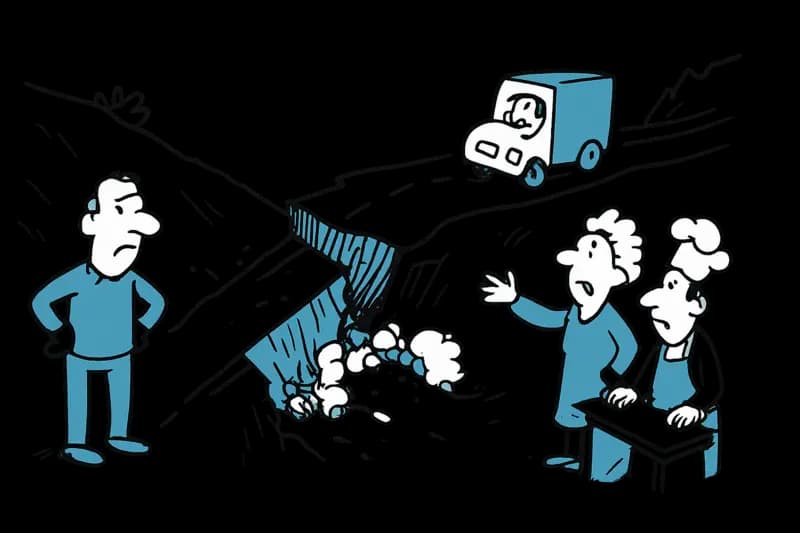
When the road is gone: Port de Valldemossa cut off after storm 'Adam'
After heavy rains a retaining wall gave way and two sections of mountain road MA-1131 became impassable. Why are rural p...

Crypto Promises, Ferry, Arrest: How Investors in Mallorca and the Neighboring Islands Fall into the Trap
A Swiss man wanted under a German arrest warrant was captured in Ciutadella. The case raises questions about cross-borde...
More to explore
Discover more interesting content

Can Cap de Bou

Townhouse Lleo 72
