
When Oil Becomes a Luxury: A Reality Check on Rising Food Prices in Mallorca
When Oil Becomes a Luxury: A Reality Check on Rising Food Prices in Mallorca
On Mallorca staple foods have become drastically more expensive over five years. Who pays the price? A critical look at causes, gaps in the debate and concrete measures on the ground.
When Oil Becomes a Luxury: A Reality Check on Rising Food Prices in Mallorca
Key question: How long can households in Mallorca continue to organise their daily lives if staple foods systematically rise in price — and which answers are missing from public discussion?
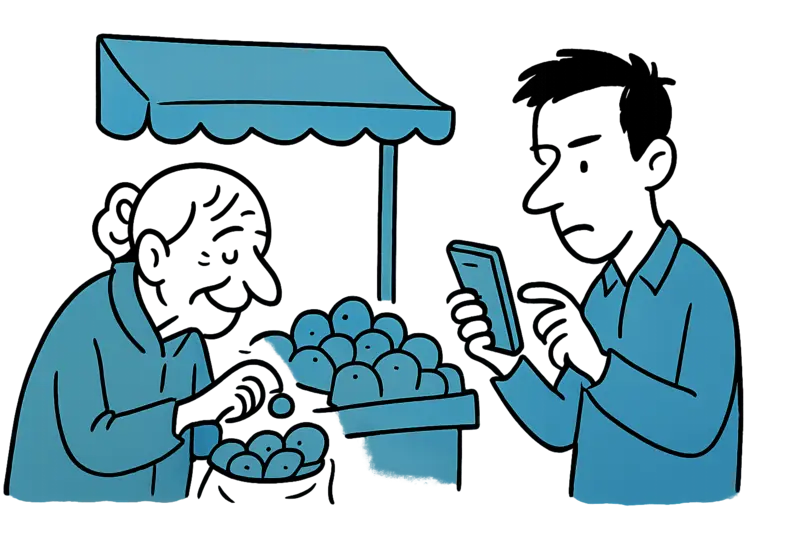
On a chilly morning I stand at the Mercat de l'Olivar. Traders roll out the awnings, but the bags at the stalls are lighter than a year ago. A pensioner at the fruit stand counts small change, a young father calculates prices on his smartphone. Scenes like this repeat in Palma, Alcúdia and in the villages: the sound of scooters, seagulls over the harbour, vendors buying more cautiously — this is not an abstract set of numbers, this is everyday life.
The numbers: Over five years virtually all food items on the Balearic Islands have become more expensive. Most striking: cooking oil rose the most in this period, by around 140 percent in the national statistics office data. Eggs, lamb, sugar and milk also recorded strong increases. Regionally, the statistics office reports an inflation rate in the Balearics of about 5.1 percent for September — drivers include higher fuel costs, which increase not only production but also transport costs.
Critical analysis: The price trend is not a single problem but the result of several intertwined mechanisms. First: rising energy costs make storage and logistics more expensive, especially on islands that depend on ferry and air links. Second: production costs in livestock and crop farming have increased — feed, fertiliser, water and labour cost more. Third: market structures and margins along the supply chain mean that price increases are not distributed evenly; end consumers feel the full burden.
What is often missing in the debate is a differentiated view of supply, trade and social policy. There is much talk about short-term price jumps, but less about structural questions: How does a sustained increase in core products affect eating habits, health and local producers? What concrete role do wholesale prices, domestic transport and port charges play in price formation in Mallorca? Such points are surprisingly absent.
Another blind spot is the social chains perspective. If fresh food is bought less often, demand for cheap frozen or processed products rises. That can affect health in the long term, especially for low-income households. Recent voices from consumer protection and trade warn of such effects; you see it first in community kitchens and schoolyards.
What can already be observed locally: vendors in small shops stock fewer items on the shelves, some supermarkets limit special offers, and every price cut at petrol stations is discussed because fuel continues to strain calculations. Some traders also report declining sales of more expensive products like beef and lamb, fresh fruit and premium olive oil — customers increasingly turn to cheaper alternatives.
Concrete measures proposed and now being discussed or implemented: 1. Price monitoring and transparency: a regional platform that makes supply and retail prices along the chain visible to uncover imbalances. 2. Ease logistics: negotiations with ferry and freight companies for more stable freight rates for staple foods, combined with targeted subsidies for small retailers in remote communities. 3. Social protection: targeted subsidies for low-income households, food vouchers for families and strengthened support for the school meal program so children continue to eat balanced meals. 4. Strengthen local production: support for cooperatives, regional supply chains and short distribution routes — more direct marketing reduces intermediaries' costs and strengthens local farmers. 5. Energy efficiency in cold chains: programmes to modernise cold rooms and storage facilities to reduce energy costs and increase supply security.
Practical steps that neighbours and communities are already trying deserve greater support: collective buying groups, neighbourhood refrigerators, exchange markets for surplus harvest, municipal markets with transparent price lists. These initiatives are not a cure-all, but they immediately ease pressure on household budgets.
Who pays the price? Clearly: low-income households feel the changes first and most. For the local economy, sustained increases can dampen consumption — affecting restaurants, small shops and delivery businesses alike. For the island this is a double problem: rising costs alongside weaker demand.
Punchy conclusion: Figures like 140 percent for cooking oil are not abstract headlines — they stand for changed purchases, shifted meals and harder budget decisions in Palma as much as in the mountain villages. Politics, trade and civil society must move the discussion beyond headline numbers and work together on concrete solutions: more transparency, targeted social measures and investment in local logistics and production. Otherwise a price wave will become a lasting food and prosperity issue for Mallorca.
In the end the market image remains: a vendor packs a small bag of oranges, the pensioner pays, smiles, tries to stay optimistic — and quietly calculates. That is the reality we can no longer just observe.
Frequently asked questions
How are rising prices changing daily life for households in Mallorca?
What are the main factors pushing food costs up in Mallorca?
What concrete measures are being discussed to ease price pressure in Mallorca?
How do supply chains on Mallorca affect what people pay at the till?
What are shoppers noting at Palma’s Mercat de l'Olivar amid price pressures?
How does the oil price rise fit into Mallorca’s broader price story?
What role do social protections and school meals play in this context in Mallorca?
What practical local actions are helping Mallorca residents cope now?
Similar News

When a Hammer Comes Out of the Glove Compartment: Violence After a Traffic Dispute in Bons Aires
A midday traffic dispute in Bons Aires escalated: a man pulled a hammer from his car and injured another driver in the l...
Realtor on Set: Marcel Remus in Front of the ZDF Camera in Mallorca
Well-known real estate agent Marcel Remus appears for the first time as an actor in a ZDF feature film; filming is curre...
When the Ovens Go Cold: Why Palma's Small Pizzeria Closes After 35 Years
An affordable pizzeria in Palma has closed after 35 years. Not because of financial problems, but because the strain on ...

After a Dispute in Palma-Bons Aires: Hammer Attack in Road Traffic — A Reality Check
During an argument in Bons Aires, a driver pulled a hammer on October 1 and injured a man in the leg and shoulder. The S...

Luxury Trade Fair in Santa Ponsa: Who Benefits, Who Pays?
At the end of October Calvià is hosting top buyers from the luxury travel sector in Santa Ponsa. The guiding question: D...
More to explore
Discover more interesting content

Can Cap de Bou

Townhouse Lleo 72
