

When the island no longer belongs to its residents: Foreign property ownership in Mallorca
When the island no longer belongs to its residents: Foreign property ownership in Mallorca
New cadastre data show: In some Mallorcan municipalities almost every second residential property belongs to foreigners. Who pays the price for this shift — and what can be done about it?
When the island no longer belongs to its residents: Foreign property ownership in Mallorca
New cadastre figures reveal how coastal and mountain villages are suffering from ownership pressure
Key question: How long can locals in Mallorca still find affordable housing when in some municipalities almost every second apartment now belongs to foreign owners?
The recently analysed cadastre data bring clarity: Almost every second property in the Balearic Islands in foreign hands – what does this mean for Mallorca? In several coastal towns and in municipalities of the Serra de Tramuntana the share of foreign owners has risen to such an extent that the local housing market is noticeably thrown off balance. Places like Andratx, Deià and Calvià rank at the top of the statistics — locations where external demand has been strong for years, as discussed in Fewer Foreign Buyers — Mallorca between Price Boom and a Breather.
What the figures alone do not show is whether the owners live there permanently or keep the properties as second homes or investments. Supplementary hints from land registry and notary records, however, suggest that many purchases come from wealthy Europeans who do not have a permanent residence on the island, a pattern examined in Why so much property buying in Mallorca is paid in cash — and what that means for the island. In small communities a manageable number of such purchases is enough to noticeably change the available supply and prices.
Critical analysis: The island market is limited. When purchase decisions are no longer based on local incomes but on external budgets, property prices climb beyond what many residents can afford. This is not an abstract problem: tradespeople, carers, teachers, young families — they all feel the consequences when apartments are less often available in the local market or are only offered at prices geared to investor returns.
What is missing from the public debate: Much is said about sales figures and top prices, less about the everyday consequences for neighborhoods. How does the social fabric of villages change when empty holiday homes quiet the streets, but the bakery next door closes because customers are missing? Who protects the people who work on the island long-term from the sell-off of their housing?
A scene from everyday life: On a cool morning in Sóller's market square — the murmuring of traders, the smell of freshly brewed coffee, the baker's voice as he gives a regular customer the key to the storeroom — all this suddenly seems more fragile when in side streets several houses are used only seasonally. In Port d'Andratx you more often see estate agent signs whose phone numbers point to other countries; in Deià cars with foreign license plates park in narrow lanes while young couples look into the nearby café and sigh.
Concrete solutions: Municipalities and the Balearic government have tools to steer who and how housing is made available. Sensible measures would include: mandatory registration of empty second homes, stronger taxation of unused houses, municipal housing programs for local workers, quotas for social housing construction in new projects and a more transparent register of beneficial owners of properties so that sham constructions are less effective.
Other options are locally rooted models: housing cooperatives, long-term tied rental contracts for key workers and bureaucratic hurdles for pure capital investors who have no residence relationship to the island. All this requires political determination and cooperation among municipalities, government and courts.
Conclusion: The cadastre figures are a wake-up call. It's not just about ownership papers but about the question of how Mallorca should be inhabited in the future. Those who live here, work here and keep the island running must not become collateral damage of an international real estate market. Anyone serious about preserving lively villages must set concrete rules now — before the empty holiday homes finally overgrow the chestnut trees on the plazas.
Frequently asked questions
Why are housing prices in Mallorca rising so much?
How does foreign property ownership affect everyday life in Mallorca?
Which areas of Mallorca are most affected by foreign buyers?
Are all foreign-owned homes in Mallorca used as holiday homes?
Can local workers still find affordable housing in Mallorca?
What can Mallorca municipalities do about empty second homes?
Why do places like Deià and Port d’Andratx attract so many foreign property buyers?
What kind of housing policies could help Mallorca residents?
Similar News
Injured captain, big plans: Germania Mallorca before the away match in Consell
The newly founded FC Germania Mallorca travels to Consell on Saturday. Captain Bastian Müller is out injured, but coach ...
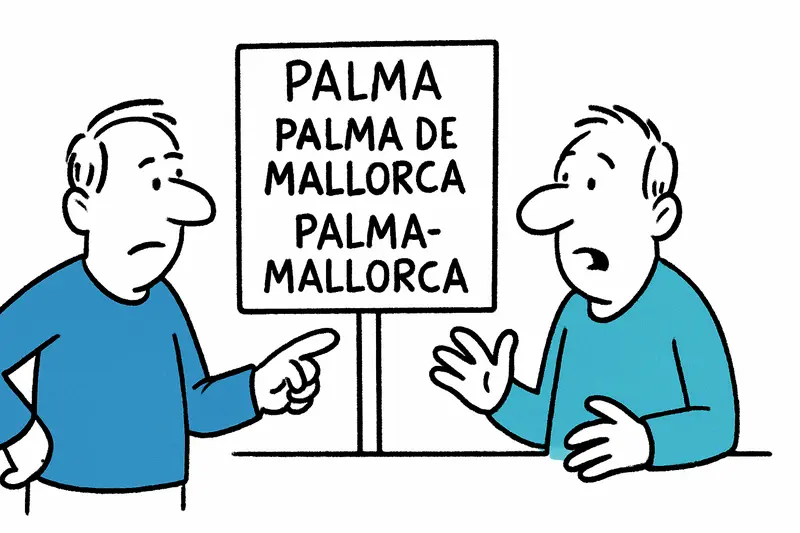
Palma, Palma de Mallorca, Palma‑Mallorca: What is it really about?
The debate over the city's name is more than grammar: it concerns identity, law and branding policy. A sober reality che...
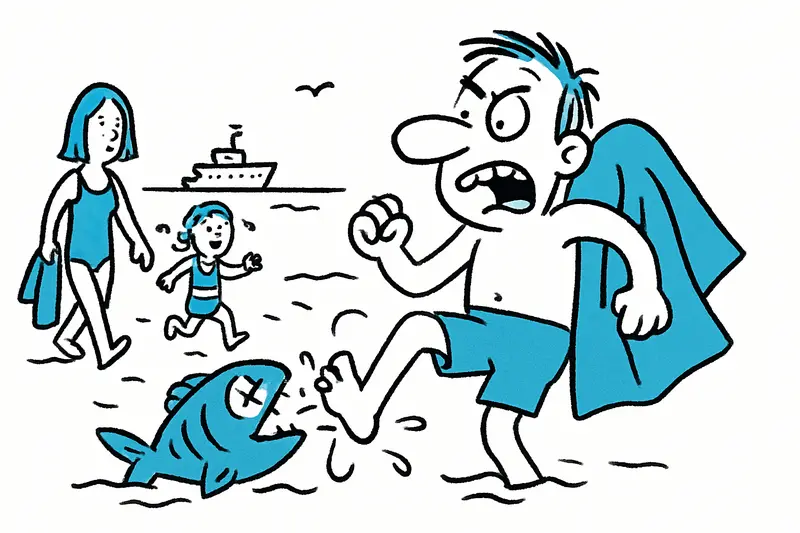
Warning to Bathers: Nipping Fish in Cala Major and Other Coves — a Reality Check
In Cala Major and several beaches around Mallorca, bathers report painful “nips”. Who are the animals, why are they gett...

Rental Car Theft in El Arenal: What This Incident Reveals About Our Gaps
A teenager steals a running rental car in El Arenal, flees on foot, climbs over walls and is caught by the Guardia Civil...
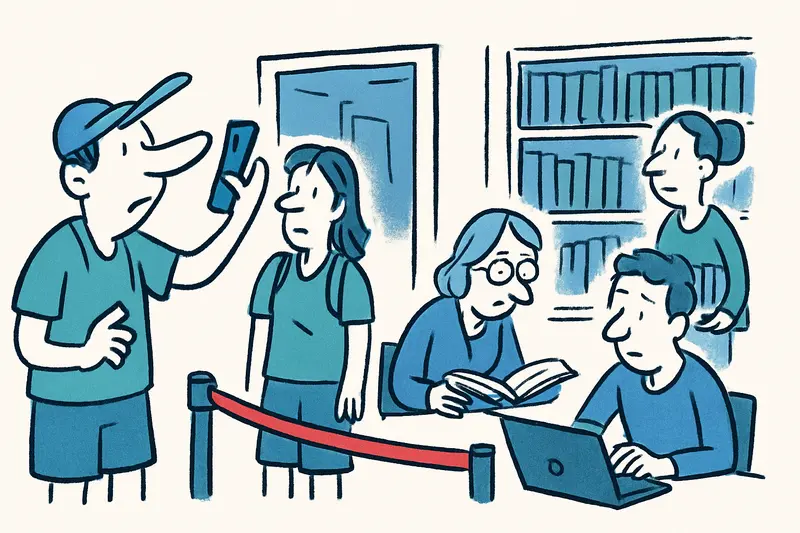
Red Rope in Palma's Library: What Helps Against Selfie Tourism — and What's Missing
Palma's city library cordoned off an area with a red rope to keep selfie tourism away from reading and working activitie...
More to explore
Discover more interesting content

Can Cap de Bou

Townhouse Lleo 72
