
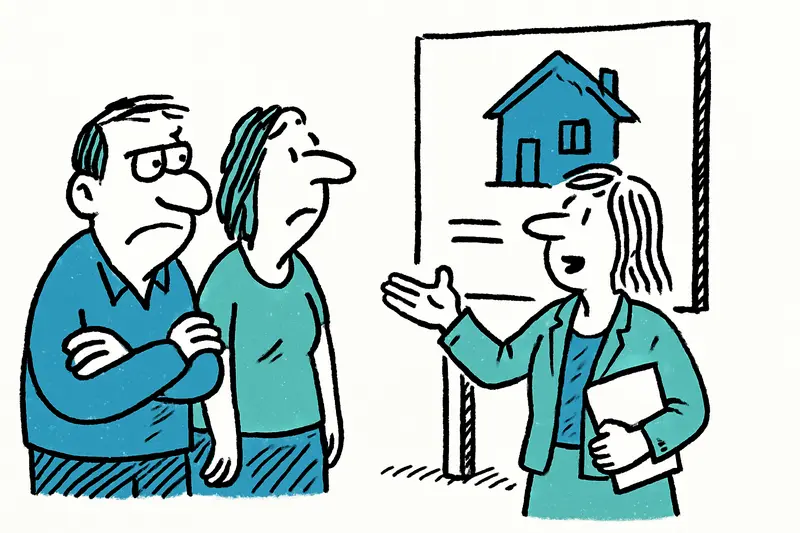
Fewer Foreign Buyers — Mallorca between Price Boom and a Breather
The number of property purchases by foreigners on Mallorca is falling. Prices remain high and supply is shrinking. How can the island stay affordable without stifling the market?
Decline of foreign buyers: a painful breather
On Passeig Mallorca, strong espresso, the soundscape: clinking espresso cups, scooters in the distance, voices from the Santa Catalina market. A long-time estate agent shrugged: "People haven’t gone; they’re just calculating differently." That matches the figures from the Statistical Information Centre of Notaries (CIEN), according to Almost every second property in the Balearic Islands in foreign hands – what does this mean for Mallorca?: in the first half of 2025 the number of properties sold to foreigners in Mallorca fell by around 6.8 percent to 2,816 transactions.
What the numbers hide
The Balearic Islands still show a high share of foreign buyers – about 35.3 percent. German buyers make up almost half of this group, Britons around 11 percent. However: the price per square metre for properties sold to foreigners rose on average to €4,896/m² (previous year: €4,492/m²). Compared with 2016 this is an increase of roughly 76 percent. For many prospective buyers that is simply too much.
The trend since 2019 shows a clear pattern: a strong rise during the pandemic, a record year in 2021 for purchases by foreigners, then a cooling from 2023 with sometimes sharp declines (-31% in the first half of 2023, -20.7% in the second half). 2024 brought stabilization, and 2025 now this moderate decline. Seen this way: not a collapse, but a market adjustment.
The key question
How can Mallorca remain affordable without the property market capitulating? That is the central question for politicians, investors and neighbours in the stairwell who take their child to kindergarten in the morning. Answers require looking beyond raw sales figures.
Aspects often overlooked
First: it is not only the number of buyers that matters, but the composition of the market. The luxury and second-home segment remains stable, while the mid-market is shrinking. Second: supply shortages arise not only from demand but from a lack of new builds in the affordable segment – approval processes take time, construction costs and regulations push prices up.
Third: the effects on tenants are little discussed. If foreign buyers buy less often, properties change hands more slowly. That prevents short-term speculation, but only relieves tenants to a limited extent – because prices remain at a high level. Fourth: municipal revenues from property taxes and second-home taxes are secured in the short term, but in the long run a reduced transaction dynamic can slow investment in infrastructure.
Concrete opportunities and solutions
Instead of falling into ideology, pragmatic measures are needed:
1. Faster, targeted housing construction: Municipalities should prioritize building permits for projects with a mandatory share of affordable housing and reduce administrative obstacles. A quick, small gain for families in Palma or Manacor.
2. Promotion of build-to-rent: Long-term rental projects can ease pressure on the purchase market. Private investors are often persuaded if returns and planning timelines are realistically calculated.
3. Fiscal incentives for locals: Grants, purchase premiums or cheaper mortgages for residents with permanent residence in Mallorca could make homeownership easier for the local population without blanket exclusions of foreign buyers.
4. Rethink rules for second homes: Instead of sales restrictions, longer rental periods or local occupancy rights for resident tenants could be considered – more socially just, legally secure and politically feasible.
5. Data and transparency: More local data on sales, vacancies, short-term rentals and building permits help to target measures precisely. A transparent map that dispels smoky rumours about "empty houses" would be a small step forward.
Looking ahead: small signs, big impact
Back at the café: the board with listings is still hanging, but next week there might be two fewer interested parties in front of it. For some agents that is a whisper, for the neighbour in the stairwell it is noticeable. Do the CIEN figures show a trough or just a breather? Most likely the latter. Mallorca must use what the breather offers: time for structural reforms, more social housing and better planning.
The island’s charm remains: people who live here appreciate the mix of sea and pine scents, the clatter of the markets and the calm after the high season. If politics and business now take smart, calm measures, the breather can become an opportunity – for affordable housing and a more balanced property offer.
Frequently asked questions
Are foreign buyers in Mallorca still active in the property market?
Why are property sales to foreigners falling in Mallorca?
Is the Mallorca property market crashing or just cooling down?
What does the decline in foreign buyers mean for renters in Mallorca?
Why is affordable housing still hard to find in Mallorca?
What does the housing market in Palma mean for local families?
What kind of housing solutions are being discussed for Mallorca?
How much do foreign buyers influence property prices in Mallorca?
Similar News
The End of the Cheap Ride? Why Mallorca Is Hit Harder by the Fuel-Price Shock
Gasoline and diesel average close to two euros per liter. What this means for commuters, supply chains and renters in Ma...
Relaxed liquid rules in Munich: What Mallorca travelers will notice
At Munich Airport the 100-milliliter rule will be lifted at all checkpoint lanes — thanks to new CT scanners passengers ...
For 45 Years on Mallorca — and Then This: How a Market Visit in Santa Ponsa Became a Lesson
A woman who has lived on the island for decades lost money and important documents at the Mercat Setmanal in Santa Ponsa...
10 percent surcharge on the beach: How legal and transparent is the extra charge at Playa de Muro?
A German part-time resident noticed days after a restaurant visit in Playa de Muro that the bill included a flat ten per...
Body near the Llevant Market: What this death says about our city
A man was found dead on Sunday afternoon near the Llevant Market. Police say the death appears natural. The scene raises...
More to explore
Discover more interesting content

Can Cap de Bou

Townhouse Lleo 72
