
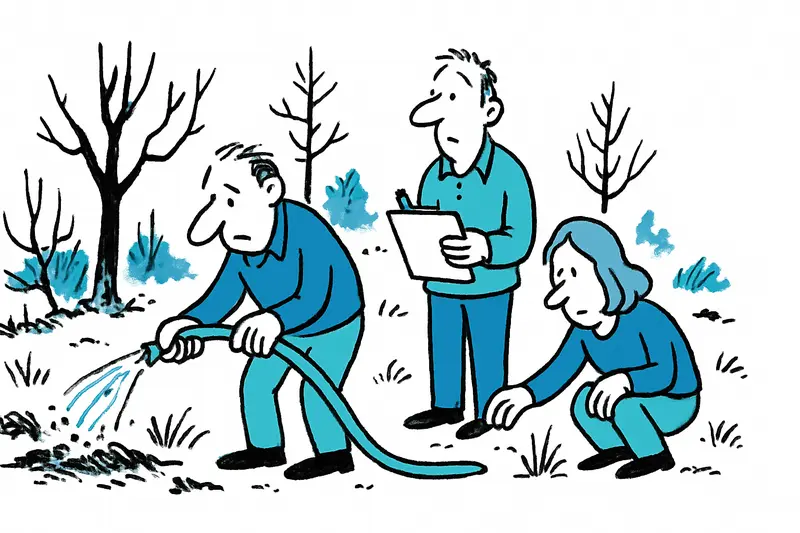
Formentor After the Fire: Extinguishing It Is Only the Beginning
The fire on Formentor is out, but the real work is just beginning: protecting the soil, documenting the damage and monitoring the landscape’s recovery.
Formentor After the Fire: Extinguishing It Is Only the Beginning
The flames are out. On the Formentor peninsula, that may sound like good news—and of course it is. But the crisis is not over just because the emergency response has ended. Now we will see whether the burned landscape can recover and whether the authorities do more with the fire than add it to the incident log.
The fire affected woodland and scrubland. The severity of the damage in each area cannot be judged by the color of the slopes alone. Where the heat has severely affected plants and soil, recovery can take a long time. In less severely affected areas, some Mediterranean shrubs may sprout again; depending on their condition, pine trees may survive or grow back from seed. That is no guarantee of a quick return to the familiar landscape. For now, a burned slope is still a burned slope.
What comes after the last ember is out?
The immediate task is clear: find embers, cool hot spots and check whether heat or smoke develops again. After that, the work becomes less visible, but no less important. Experts need to document where trees have died, where the soil has lost its protective plant cover and where rain could carry water and loose earth downhill. On steep slopes in particular, it is not just what burned that matters, but what might happen during the next heavy shower.
Blanket reforestation is not an automatic answer. Planting young trees everywhere could miss what the landscape actually needs. Some areas recover better when left alone; others need protection from erosion or targeted support. That requires a professional assessment, clear priorities and an explanation of why one area needs intervention while another does not. Otherwise, well-intentioned actionism can quickly turn into a photo opportunity with a watering can.
The blind spot in the debate about wildfires
After a major fire, public attention understandably focuses on the flames: Where did the fire start? How quickly did it spread? Who took part in the response? Investigating the cause is important. But it does not answer the second, more uncomfortable question: How well was the landscape prepared for a fire, and how will it be monitored in the years ahead?
This is not a criticism of the emergency crews who tackled an immediate danger. It is about the time before and after the fire. Managing woodland and scrubland, maintaining accessible routes for emergency vehicles, coordinating responsibilities and providing visitors with clear rules are not issues that should only come up once smoke is in the air. Nor is it enough to drive through the area once after a fire and then hope for natural regeneration. Nature can do a lot on its own, but not every damaged area recovers in the same way.
Investigating the suspected origin of the fire should not create the impression that finding a cause settles the matter. A fire can start because of a specific trigger, but how large it becomes also depends on the weather, vegetation, terrain and preparedness. Formentor therefore needs both a thorough investigation of what happened and a clear-eyed look at the conditions that may have encouraged the fire to spread.
A familiar road, a different view
Anyone driving from Pollença towards Formentor knows the changing scenery: first the bends, then the view of the sea, with pine trees, rocks and low-growing scrub in between. On a cool day in the north, sometimes you hear more wind than traffic. After a fire, the same route looks different. A darkened slope catches your eye before you can quite say what is missing. This is not some distant conservation issue. It changes a landscape that is part of everyday life for many people and one reason others visit the island.
That is precisely why restraint is important. Curious visitors should not venture into damaged areas on their own, ignore closed paths or take plants and wood as souvenirs. It may sound obvious, but it matters: loose soil and damaged vegetation are fragile, and during follow-up checks a thoughtless detour can also hinder emergency crews. Visitors should follow local instructions and stay on authorized paths.
What would help now
The responsible authorities should map the affected areas and explain the findings clearly to the public: Where is the damage most severe? Where is natural recovery likely? Where is there a risk of erosion or further hazards? Regular checks after rainfall and during the coming growing seasons could show whether the planned measures are working. A publicly available progress update would also be useful—not as a promotional promise, but with clear information about what is known and what is still being assessed.
Recovery on the island cannot be sped up simply by demanding it loudly. But we can make sure it is not made unnecessarily difficult: protect sensitive areas, explain interventions, inform visitors and monitor developments over several years. For local councils and authorities, that means making sure responsibilities do not disappear between forestry, environmental protection, road management and emergency planning. For visitors, it means sometimes putting a damaged area’s need for quiet ahead of the desire to find the perfect viewpoint.
Formentor does not need a quick green makeover. It needs patience, expert guidance and honest information. The fire is out—the real test of how we care for the landscape is only just beginning.
Frequently asked questions
What happens after a wildfire is extinguished in Mallorca?
How long does it take for a burned landscape to recover in Mallorca?
Should every burned area in Mallorca be replanted with trees?
Can visitors walk through burned areas around Formentor?
Why can heavy rain be a problem after a wildfire in Mallorca?
What should visitors do when they see wildfire damage in Mallorca?
What should authorities monitor after the Formentor fire?
Why is finding the cause of a wildfire not enough to prevent future fires in Mallorca?
Similar News

You Can’t Give Mallorca Away – But You Can Give a Fresh Start
A trip to an unknown destination can be more than a voucher in an envelope. The idea works especially well in Mallorca f...
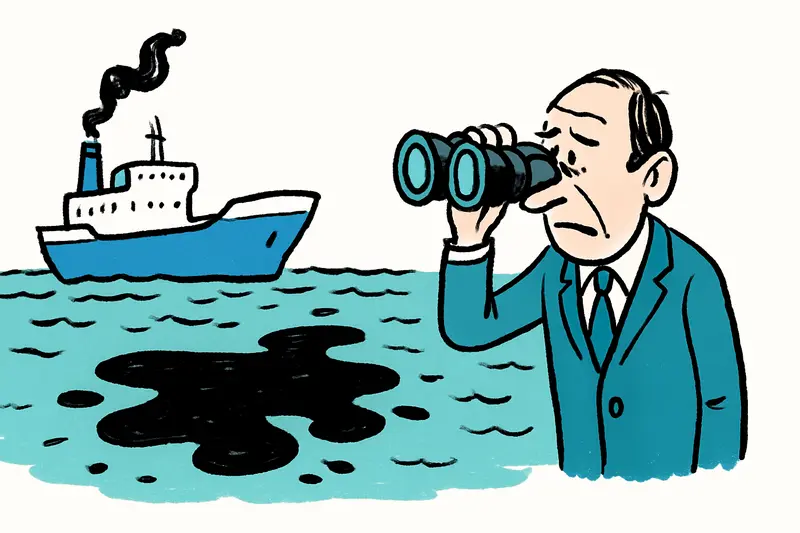
Fuel in the Sea? Mallorca Needs Reliable Answers First
When pollution is possible, what matters is not the loudest warning but a verifiable picture of the situation: Where is ...
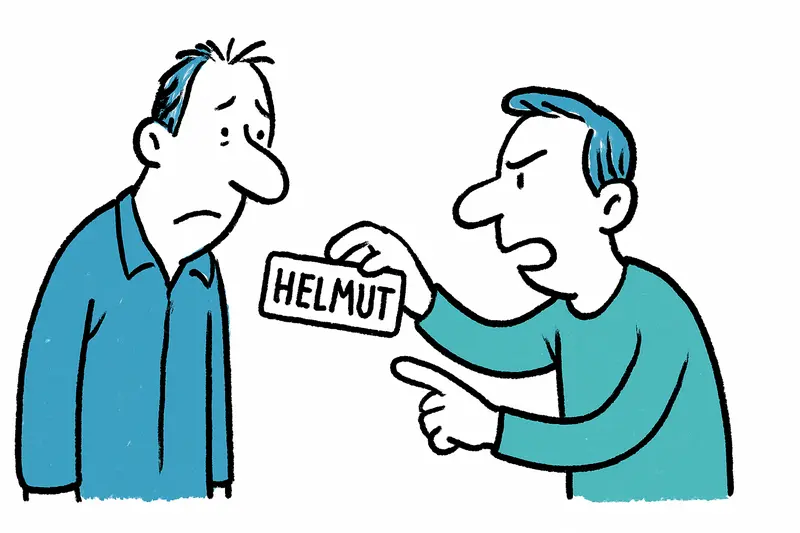
Palma and the “Helmut” Label: When a Nickname Says More Than the Case
A catchy label can quickly turn a suspected individual incident into a story about an entire group. In Palma, it is wort...
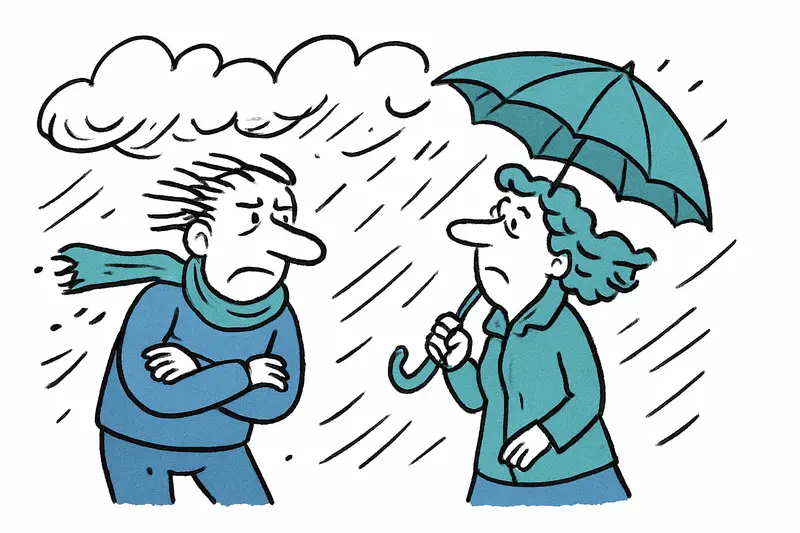
Mallorca Feels November’s Chill: Wind, Clouds and a Cool Thursday
Thursday will be cool and unsettled in Mallorca. Northwesterly winds will make it feel even colder, though conditions ar...

A Sign on the Move: The TUI Logo Turns 25
Since 2001, the TUI symbol has united the different divisions of the travel group. Today, travelers encounter it around ...
More to explore
Discover more interesting content

Can Cap de Bou

Townhouse Lleo 72
