
Fornalutx: Old parsonage converted into two social housing apartments
Fornalutx: Old parsonage converted into two social housing apartments
The Sant Bartomeu parish in Sóller is investing €500,000 to convert the long-vacant parsonage next to the church in Fornalutx into two affordable apartments, preventing further vacancy.
Fornalutx: Old parsonage converted into two social housing apartments
Parish funds the conversion, village atmosphere preserved
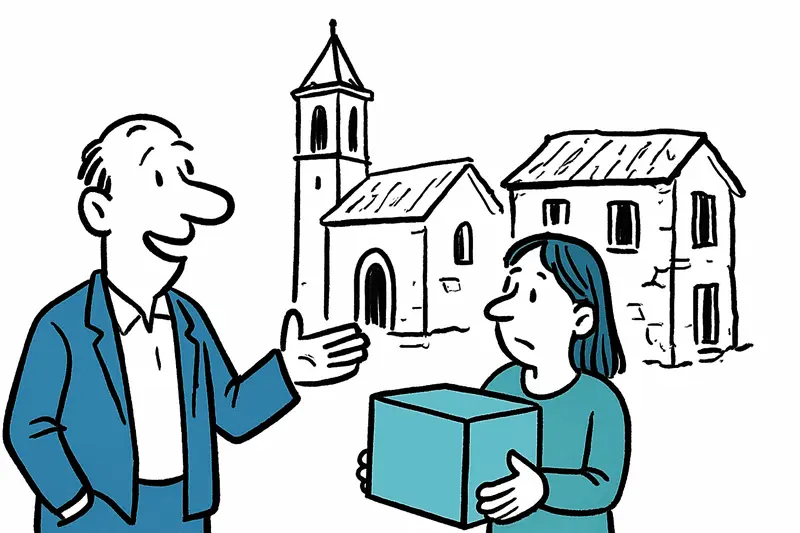
At the foot of the Tramuntana, where the lanes are narrow and the church bells echo across the plaça at midday, something practical is happening: the long-vacant parsonage next to the Nativitat de la Mare de Déu church in Fornalutx is being converted. The former parsonage will become two apartments, each with two bedrooms. The Sant Bartomeu parish in Sóller is providing the necessary funds – a total of €500,000.
On a clear winter day, climbing the steps from Carrer Major you can sometimes smell orange blossom from the courtyards, see laundry hanging over the alleys and hear the older regulars quietly debating in the café on the square. Exactly here, affordable housing for people who work in the village or have family nearby is often missing. The new use of the parsonage aims to close that gap: apartments that are measured not by market price but by life on site.
At a time when fincas and townhouses are quickly being turned into holiday apartments, the decision to convert a church building for local needs is remarkable; similar local projects include Sóller transforms old hospital into ten social housing units – is that enough? The project also serves a practical purpose: it prevents further decay of a vacant house in the centre. Instead of crumbling bricks and cracks in the façade, there will soon be windows with views of the mountain range and warm rooms.
The project is funded entirely from the income of the Sant Bartomeu parish. That means: no sale to an investor, no short-term holiday rentals. For the village, this provides planning security and the chance to retain residents who run local trades, the small bakery or the café that serves the morning espresso.
A conversion like this also offers the opportunity to preserve traditional fabric while incorporating modern standards: better insulation, energy-saving heating systems and simple measures that reduce electricity and heating costs. If the parish is transparent in selecting tenants and applies local criteria – workplace or family ties to Fornalutx – both residents and the neighbourhood will benefit equally. Another example is documented in First price-capped apartments in Manacor: A start with caveats.
Everyday observation: neighbours have already asked whether the construction site will affect the tranquillity of the place. In small villages every change is closely noticed. The best answer is to organise the work so that it respects daily routines: deliveries outside siesta hours, tidy workspaces and a construction logistics that honours the narrow lanes.
What this means for Mallorca as a whole is easy to imagine: when local communities use existing buildings for affordable housing, the social fabric of places is preserved. Tourism and everyday life do not have to be at odds. Projects like the one in Fornalutx are concrete examples of how to protect a home without turning it into a museum piece.
Outlook and suggestion: other municipalities could consider similar pilot projects – reserving parsonages, old urban buildings or vacant flats specifically for local people, as discussed in Sóller: Parking lot replaced by 24 social housing units at Plaça de les Teixidores. Accompanying measures such as transparent communication about who provides the flats, how much the rents are and who takes care of maintenance help to build trust and can be decided locally.
Conclusion: In Fornalutx there are no big headlines, but very practical answers to a real problem. Two apartments in an old parsonage are not a cure-all, but they do provide a measure of everyday security for people who live and work here. And while the bell rings over the plaça, the hope grows that the village will remain more than a pretty picture for visitors: a genuine, living place with room for the people who shape it.
Frequently asked questions
What is happening to the old parsonage in Fornalutx?
Why is affordable housing needed in Fornalutx?
Who is paying for the Fornalutx housing project?
Will the new apartments in Fornalutx be available for holiday rentals?
What kind of apartments are being created in the Fornalutx parsonage?
Why do local residents care about the former parsonage in Fornalutx?
How can construction work in a small Mallorcan village be managed respectfully?
Are more social housing projects planned in Mallorca like the one in Fornalutx?
Similar News
On the Edge: What Mallorca's Airport Loses If a Major Low-Cost Carrier Falters
The company that operates numerous connections from Palma to France and domestically is negotiating with creditors to re...
Ballermann star Frenzy wins 'Villa of Temptation' and donates prize money to Mallorca animal rescue
Ballermann singer Frenzy won the German reality show and donated the remaining prize money — around €14,080 — to an anim...
70 Trees Removed on Avenida Jaume I: What's Happening in Santa Ponça?
On October 1 the final redevelopment phase on Avenida Jaume I in Santa Ponça begins: 70 trees and old streetlights are t...

When a Boundary Is Crossed: The Case of Isi Glück and the Responsibility of Venue Operators
The singer from Mallorca reports an assault backstage in Halle. A clear guiding question, analysis of missing protective...
On the Brink: Volotea Fights for Survival — What Palma Can Expect Now
Volotea is negotiating its debts and plans to downsize its fleet. What consequences does this have for Palma, employees ...
More to explore
Discover more interesting content

Can Cap de Bou

Townhouse Lleo 72
