
Why housing in Mallorca is becoming unaffordable for many — Who pays the price?
Why housing in Mallorca is becoming unaffordable for many — Who pays the price?
On Mallorca the gap between incomes and housing costs is growing. Why supply is not keeping up with demand, who is most affected, and which measures are possible now.
Why housing in Mallorca is becoming unaffordable for many — Who pays the price?
Key question: How did it happen that people with ordinary incomes on Mallorca can hardly find affordable housing anymore — and what needs to happen in the short term to prevent this from becoming a permanent crisis?
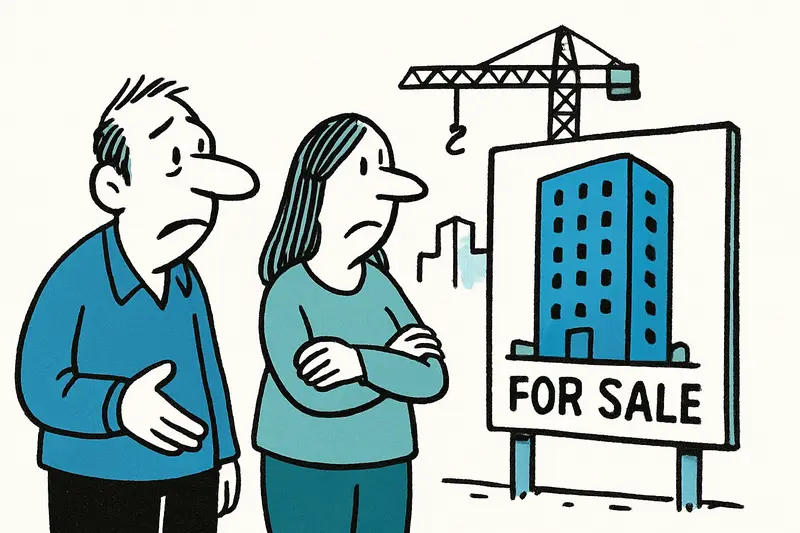
Dust sticks to the construction fence in Nou Llevant, cranes draw lines against the winter sky. At the same time, hardly anyone in the cafés on Passeig Mallorca talks about investment returns — conversations revolve around rent. This everyday scene stands for a problem many feel: apartments are scarce and expensive, while wages lag behind.
Economists, builders, estate agents and tenant groups see similar causes: demand has risen sharply, but supply cannot keep up. According to a report by the Spanish real estate consultancy association ACI, almost 10,000 new households formed in the Balearics in 2024, while fewer than 3,000 homes were completed, as noted in Balearic Islands in the Price Squeeze: Who Can Still Afford Mallorca?. At the same time, a large share of buyers are from abroad — roughly one third of contracts — adding to housing purchases, which is covered in Buying and Renting in Mallorca: Why Prices Are Pushing Locals to the Edge — and What Could Help Now. Seasonal workers create additional demand, especially during months with tourist peaks.
These figures explain the pressure on prices, experts say. There are also several structural problems: insufficient public planning for social housing, lengthy approval procedures, bureaucratic hurdles and noticeable legal uncertainty that discourages owners from investing in the long-term rental market. The result: few available units and rising prices for both purchase and rent.
Who pays the price? Young people under 30, who grew up for years in an environment of continuously rising property prices, have little chance of owning a home. Single parents, divorced people and those with middle incomes — household incomes around €2,000 — find themselves in precarious situations. Tenant organizations warn that even solid incomes are often not enough for a typical rental apartment, a concern explored in Housing Price Shock in Mallorca: How Legal Large Rent Increases Threaten Tenants.
The public debate so far revolves heavily around buzzwords like "construction projects" or "investors." What is often missing: transparent figures on vacant second homes, an honest discussion about seasonal housing needs and concrete statements on the speed of official approvals. The perspective of small landlords is also underrepresented: many of them complain about uncertainty when rules change and therefore withdraw apartments from the market.
A look at everyday life makes the problem tangible: at the weekly market, vendors whose children have to live on School Street because they cannot afford their own apartment sit and talk. In front of an apartment building in Son Gotleu, neighbors meet and tell of young people squeezing into shared flats because living alone is no longer affordable.
There are concrete approaches to solutions — and they must connect several levels. In the short term, practical steps are conceivable: a municipal register of vacant apartments to improve the data basis; tax incentives to convert empty stock into long-term rentals; clear deadlines and transparent processes for building permits so planned projects do not languish in limbo for years.
In the medium term the island needs a serious push for non-profit social housing: mandatory quotas for subsidized units in new projects, funding programs for housing cooperatives and targeted programs for seasonal workers who should not have to rely on private apartments. Public-private partnerships can help if contractual guarantees and controls are built in.
Economic and housing policies alone are not enough: rules are also needed for the tourist accommodation market. Consistent registration and enforcement of short-term lets, complemented by local models to convert tourist properties into regular housing, can relieve pressure on the market, as suggested in Rent-price shock 2026: How Mallorca is heading toward a social crisis.
What is missing in public discourse is the combination of data transparency, practical bureaucracy and social policy objectives. Numbers alone are not enough; clear targets are needed — such as percentages of subsidized housing per new neighborhood — and responsibilities at the municipal level.
One point is important: solutions can start locally. Municipalities with many new builds like Nou Llevant can serve as pilot areas: mandatory quotas for social housing, support for small investors, fast approval windows in exchange for binding completion deadlines. Success can then be scaled up.
Conclusion: The gap between wages and housing prices in Mallorca is not a natural event but the product of planning gaps, market mechanisms and political decisions. Those who want to keep working, start businesses or raise a family in Palma or small villages in the future need more than declarations of intent. Fast data, binding rules for construction and use, targeted support for social housing and practical solutions for seasonal workers are not a luxury — they are the bill that would otherwise be paid by those who can hardly defend themselves.
Frequently asked questions
Why is housing in Mallorca getting so expensive for local residents?
Who is most affected by Mallorca’s housing shortage?
Is it still possible to find affordable rent in Mallorca?
What needs to change to make housing in Mallorca more affordable?
Why do foreign buyers matter so much in Mallorca’s housing market?
What is happening with housing in Palma’s Nou Llevant area?
Why is social housing so important in Mallorca?
How do seasonal workers affect housing demand in Mallorca?
Similar News
Who Bears the Burden? Mallorca Between Tenant Protection and Landlord Fears
Madrid's new housing decrees strengthen tenant rights — but on Mallorca concern is growing: will the law drive small lan...
On the Edge: What Mallorca's Airport Loses If a Major Low-Cost Carrier Falters
The company that operates numerous connections from Palma to France and domestically is negotiating with creditors to re...
Ballermann star Frenzy wins 'Villa of Temptation' and donates prize money to Mallorca animal rescue
Ballermann singer Frenzy won the German reality show and donated the remaining prize money — around €14,080 — to an anim...
70 Trees Removed on Avenida Jaume I: What's Happening in Santa Ponça?
On October 1 the final redevelopment phase on Avenida Jaume I in Santa Ponça begins: 70 trees and old streetlights are t...

When a Boundary Is Crossed: The Case of Isi Glück and the Responsibility of Venue Operators
The singer from Mallorca reports an assault backstage in Halle. A clear guiding question, analysis of missing protective...
More to explore
Discover more interesting content

Can Cap de Bou

Townhouse Lleo 72
