
Housing Price Shock in Mallorca: How Legal Large Rent Increases Threaten Tenants
Housing Price Shock in Mallorca: How Legal Large Rent Increases Threaten Tenants
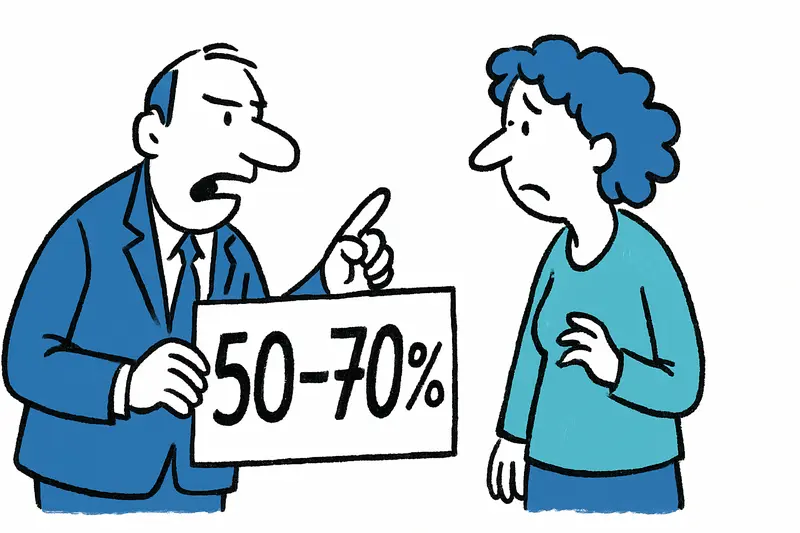
Five-year contracts from 2020 are expiring, and landlords can often raise rents freely. Key question: Who will be left if increases of 50–70% occur? Analysis, everyday scenes and concrete counterproposals.
Key question: Who will remain living in Mallorca if landlords legally add 50–70%?
It is early morning in Palma. At the Plaça de Cort a baker opens his door, taxi drivers shake the rain from their wipers, and young parents push prams past renovated facades that suddenly feel prohibitively expensive. A quiet worry is spreading in many households on the island: the rental contracts signed in 2020 with five-year terms are about to expire – and with them the pandemic-era protections, as highlighted in Payday 2026: Why Many Renters in Mallorca Have Reason to Be Afraid.
Critical analysis: Why increases are possible now
The legal situation allows landlords, after the end of such fixed-term contracts, much more extensive adjustments than the annual indexations; legally this is sound, but politically sensitive. The combination of increased demand, more remote work, the conversion of housing into holiday rentals and many owners' fear of rent defaults has severely tightened the market in recent years. The result: those who previously paid around €900 could soon face significantly higher demands – cases with 50 to 70% increases are being reported, as discussed in When €800 Suddenly Becomes €1,300: How Minimum Lease Periods Are Pushing Tenants Out in Mallorca.
Another driver was the incentive to rent apartments short-term to travelers: owners who see higher returns remove apartments from the traditional rental market. At the same time, legal changes and protections for particularly vulnerable tenants have unsettled many landlords; some have weighed property tax, management costs and risks against potential losses – and chosen to exit long-term renting.
What is missing in the public debate
The debate often focuses on headlines and individual cases. Important points are being neglected: a transparent inventory, reliable figures on conversions to holiday lets and a clear list of which zones are truly "tight." A day-to-day perspective is also missing: which professions are particularly affected? How do school routes, mobility costs and commuting change if families are pushed to the outskirts? A transparent register and robust data collection are central recommendations in analyses such as Rent-price shock 2026: How Mallorca is heading toward a social crisis, which calls for clearer figures on conversions and vacancies.
Everyday scene: A breakfast in Sant Jordi
In Sant Jordi, at the square opposite a pharmacy, a nurse sits with her coffee and reads her landlord's rent notice. She works nights at the hospital, does three shifts a week and is now facing an increase that almost eats up her monthly income. Beside her an older couple discuss whether to pack up and move to the countryside. Such conversations are now common in the neighborhood – no longer about hypothetical developments, but about imminent decisions.
Concrete solutions
The situation calls for more than outrage. Concrete options include:
1. Transparency requirements: A public register that records excerpts of rental contracts, changes of use (long-term to short-term) and vacancies would reduce pressure for speculation.
2. Tax incentives for long-term renting: Temporary tax relief or depreciation for landlords who rent long-term to families or island employees.
3. Support program for affordable housing: Municipal and island-wide financial aid for building or converting apartments into social housing, tied to clear rent caps.
4. Conciliation bodies: Free mediation and advisory services between tenants and landlords to avoid evictions and find fair adjustments.
5. Strengthened controls against illegal holiday rentals: Rapid sanctions and targeted inspections could promote the return of apartments to the regular market.
Why these approaches are realistic
No single measure is a cure-all. But combined instruments can reduce pressure: registries create facts, tax incentives change calculations, and more social housing provides breathing room. It is important to design measures so they alleviate short-term hardship and address structural causes in the long term.
What politicians must do – and what society can contribute
Politics and administration must act now: clear rules for rent increases after fixed-term contracts expire, protection mechanisms for price jumps in already burdened zones and accelerated procedures for social housing. At the same time, locally rooted action is needed: cooperatives, neighborhood initiatives and employers securing housing for employees can provide short-term relief.
Pointed conclusion
The threatened 50–70% increases are legally possible, but they are not a law of nature. If we in Palma and across the island do not soon regulate more clearly, increase transparency and invest purposefully, Mallorca will lose more than tenants: it will lose neighborhoods, diversity and everyday life. The question is not whether something can be done, but whether we can muster the political will and local initiative to treat housing as a basis for living rather than merely an investment.
Frequently asked questions
Why are rent increases in Mallorca suddenly so high for some tenants?
How much can rent go up in Mallorca when a lease expires?
What should tenants in Mallorca do if they get a big rent increase notice?
Why are long-term rentals becoming harder to find in Mallorca?
How is the Mallorca housing crisis affecting everyday life for workers and families?
Is there support in Mallorca for tenants facing unaffordable rent hikes?
What changes could help ease the rental pressure in Palma and Mallorca?
Which areas of Mallorca are most affected by rent rises?
Similar News

Who Gets Left Out? Why Overbookings Will Hit Many Mallorca Travelers This Summer
On hot check-in days at Son Sant Joan, frustrated travelers pile up. New figures from Reclamador.es show that a large sh...
When the Handyman Came: How an Engagement Ring Disappeared in Mallorca and What It Says About Trust
During a repair in Andratx a highly personal engagement ring went missing — a case that calls not only for punishment bu...
How Burglars Test Fincas in Mallorca — and What You Can Do About It
The Spanish National Police warn of a simple but effective trick: small markings on doors reveal whether a finca is occu...
Palma doubles blue zone: What this means for residents, tourists and narrow streets
From 1 January 2027 Palma's ORA area will grow from around 12,000 to 24,000 spaces. Key question: Will the expansion bri...
Engagement ring disappears during repair: court upholds prison sentences for plumber and partner
During a heating repair in an apartment in Andratx an engraved engagement ring disappeared. After a trace to a pawnshop ...
More to explore
Discover more interesting content

Can Cap de Bou

Townhouse Lleo 72
