
Cala Major: Between Premium Sunbeds and Regulatory Chaos – Who Owns the Beach?
GOB files a complaint against overpriced "premium" sunbeds and distance violations in Cala Major. Who benefits – tourists, operators or the administration?
Cala Major: Between Premium Sunbeds and Regulatory Chaos – Who Owns the Beach?
When the seagulls still circle above the Passeig Marítim early in the morning and the first delivery vans supply the cafés, Cala Major is shrouded in a strange mix of sea breeze and bustle. At first glance everything looks pretty: colorful rows of sunbeds, umbrellas in formation. But on closer inspection the question posed by the environmental organization GOB files a complaint against overpriced 'premium' sunbeds and distance violations in Cala Major grows louder: how much commerce can the coastline bear — and where does public space end?
The Complaint: Prices, Reservations, Distance
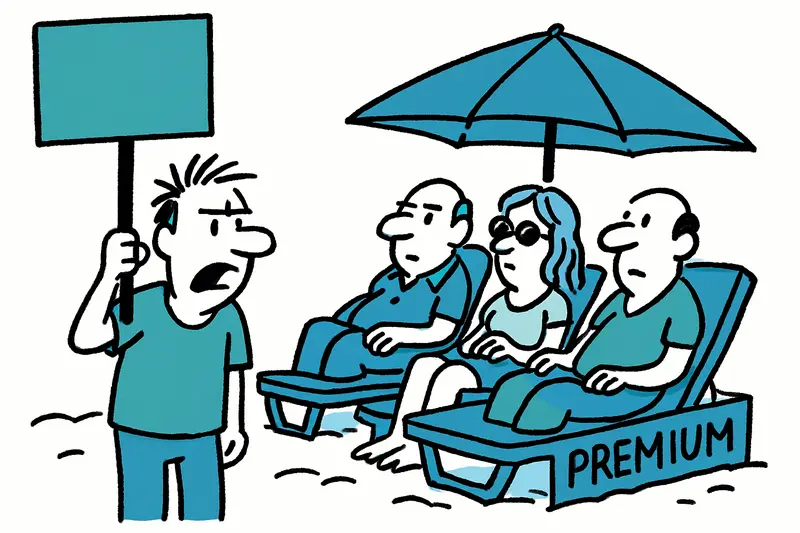
GOB describes a twofold problem. Formally two sunbeds plus an umbrella are listed at around 18 euros per day. In practice, however, some providers advertise a "premium" category that, according to the listing, can cost up to 70 euros, as detailed in Expensive 'Premium' sunbeds in Cala Major: Who decides what a beach visit is worth?. At nine in the morning a waiter stands nearby, nods and says, "Reservado, mejor lugar" — and suddenly the bill is different. Added to this is the accusation that mobile kiosks and sales stands are not respecting the prescribed minimum distance of 100 meters. The spacing is not symbolic: it is intended to keep passages clear, ensure accessibility and prevent overuse of individual stretches of coast.
Who Is Really Affected?
Stories on the beach vary: an older woman who seeks the surf every morning with her dog says, "You used to put it down, pay and be happy." Today it seems like a bazaar; some spots appear systematically reserved. Tourists report surprise and a feeling of being pushed into a hidden price tier. On the other hand are the operators: the season, rising wage costs, and increased delivery prices — all of this pressures their calculations. But the central question remains: may economic bottlenecks override legality?
Less Examined: The Consequences for Accessibility and the Environment
Public beaches are more than tourist magnets; they are community space. Overly dense commercial use can reduce accessibility for seniors, families with children and people with mobility impairments. When sales stands are packed tightly together, bottlenecks form that hinder rescue routes and increase pressure on certain sand areas. These aspects have so far been too little linked in public debate with the issue of prices.
Where Does Enforcement Falter?
GOB's complaint calls on the coastal authority to act: inspections, fines, and in extreme cases license revocation, as discussed in Premium sunbeds in Cala Major: Palma under pressure — who protects the beach from commercial greed?. The problem is less the set of rules itself than enforcement. Beach sections are allocated seasonally, controls are often sporadic — personnel are scarce and observations are not always systematically documented. Added to this is a legal gray area: what exactly counts as a "reservation" in public space? And how do authorities distinguish between officially approved special offers and opaque "premium" packages?
Concrete Proposals — Not Just Criticism
A few practical measures could quickly bring more order without paralysing the whole beach economy: clear, highly visible price notices with set standard rates; digital registration of all beach furniture providers; regular, unannounced inspections during peak season; stricter rules for the placement of mobile kiosks and allocations only with clear requirements to keep the promenade passable. In the medium term it would make sense to make usage rights more transparent and to professionalize communication between municipalities, the coastal authority and operators.
What Does This Mean for Visitors and Locals?
For this summer it means: compare prices, pay attention to official notices and ask if unsure. Locals can only hope that controls will return some air and space — for walkers, children and dog owners. For authorities it is a test: can they manage the narrow balance between economic use and the public interest?
The dispute in Cala Major is not a local oddity; it stands as a symbol for a larger question along the coast: who owns the beach when the sun is shining and business is tempting? The answer will likely have far-reaching consequences — for visitors, operators and the face of the island's coastline.
Frequently asked questions
Are sunbeds in Cala Major expensive compared with the usual beach price in Mallorca?
Can beach operators in Mallorca reserve sunbeds on a public beach?
Why are minimum distances for kiosks and beach stands important in Cala Major?
What should I do if a beach price in Mallorca seems unclear or too high?
What makes Cala Major different from other Mallorca beaches for visitors?
Is Cala Major in Mallorca suitable for families, older visitors and people with reduced mobility?
Who is responsible for enforcing beach rules in Cala Major, Mallorca?
What is the best way to enjoy Cala Major beach without paying more than expected?
Similar News
Fire at the Son Hugo Parking Lot: When a Neighbourhood Dispute Becomes a Fire Catastrophe
Three motorhomes in the parking lot by the Son Hugo indoor pool burned out completely. Police suspect arson following a ...

DANA on the Way: When Mallorca Will Get Wet and Stormy — and How We Should Respond
AEMET announces a DANA: From Sunday onward, locally very heavy, persistent rainfall, thunderstorms and strong winds are ...
Fire in Son Hugo: Who protects people living in caravans?
A fire destroyed several caravans in the Son Hugo parking lot. A 34-year-old was arrested. The incident raises bigger qu...
Crack in the Heart of Palma: Hole under the Cathedral Steps Causes Concern
A cavity of up to five cubic meters was discovered beneath the stairs to Palma's cathedral. Why action was taken only no...

S'Aranjassa, Schinkenstraße and Silence: How the 'Bierkönig' Case Must Be Reopened
Almost 29 years after the murders many questions remain. More than 100 tips came in after a TV reminder of the case – ti...
More to explore
Discover more interesting content

Can Cap de Bou

Townhouse Lleo 72
