
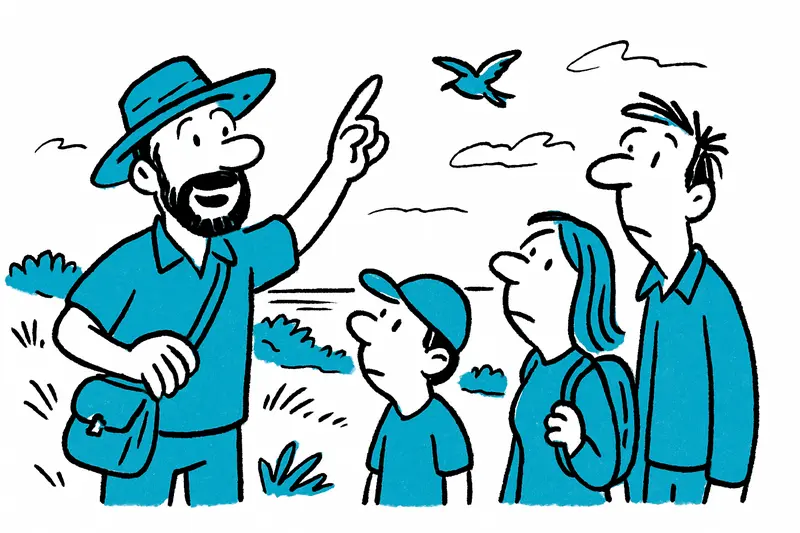
Es Carnatge in Autumn: Guided Excursions between Dunes and Herons
From October, ten guided tours through the Es Carnatge nature reserve will begin: short educational walks for families, school classes and nature enthusiasts — practical, nearby and free to low-cost.
Autumn on the coast: Es Carnatge invites you on discovery tours again
If you walk along the sea on a fresh autumn morning — the roar of the surf, the calls of gulls, the distant hum of a motorboat — you immediately notice: the coastal strip between Cala Gamba and Cala Estancia changes its tempo. It gets quieter, not empty. From October a small series of guided excursions through the Es Carnatge (Wikipedia) nature reserve begins: ten outings tailored to families, school classes and anyone who wants to know how the coast ticks.
What can you expect?
Not a marathon, more like an educational walk: The tours are short and focused — usually around two hours, starting at 10:00 a.m. or in the early afternoon. The routes run over dune crests, salt meadows and shallow coastal areas. Groups are accompanied by naturalists and local environmental experts who explain in plain language why this stretch of coast is protected and which animals and plants live here.
The groups are deliberately kept small (about 20–25 people). That allows for close inspection: a still-wet tidal channel, the delicate leaves of salt plants, the tracks of birds in the muddy ground. For school classes there are age-appropriate stations with small experiments — children are often more surprised and curious than many adults.
Practical information: meeting point, registration and equipment
The meeting point is usually near the pedestrian area at Cala Gamba; signs are posted on site, and registration and dates are handled through the Palma municipal office or the Consell de Mallorca. The tours are either free or very inexpensive — a lovely offer supported by public authorities and local groups. Spaces are limited; dropping in is possible but risky.
A few tips: Comfortable, sand-friendly shoes, a water bottle, sun protection — and a light jacket for the autumn northeasterly wind. If you have a telephoto lens, bring it: herons, waders and other inhabitants like to keep their distance.
Why a visit is worth it
I attended a trial excursion: the guide showed fossil sediment layers in the dune sand, explained how salt plants slow erosion, and we discovered a small heron colony circling lazily above the marsh. Moments like these remind you that protected areas are more than signs on fence posts — they are living biotopes that need understanding and care.
Especially nice: children often take home different questions than adults. One girl asked whether birds had holidays — and that broke the ice. Such direct encounters create a connection to the island that no online video can easily reproduce. For additional bird identification resources see SEO/BirdLife.
Between nature conservation and city noise
A realistic view is needed: Es Carnatge lies close to urban structures. recreational use, nighttime noise and construction plans put pressure on the delicate balance. The guided tours therefore do more than just convey knowledge; they act as small ambassadorial efforts for understanding and consideration. When locals and visitors know the conservation values, it becomes easier to respect them.
For everyone who lives on Mallorca or only visits the island briefly, this offer is an easy way to rediscover the coast: get out into the fresh air, listen and look more closely. And maybe take a little more care next time you lie on the beach.
More info & registration: Dates and registration forms are available from the Palma municipal office or the local environmental centre — check in October and November for the exact dates, and see Excursiones guiadas por la reserva natural Es Carnatge comienzan en otoño for details.
Frequently asked questions
What are the guided autumn walks at Es Carnatge in Mallorca like?
When do the Es Carnatge nature tours in Mallorca usually start?
Is Es Carnatge in Mallorca suitable for families and children?
Where is the meeting point for the Es Carnatge excursion in Mallorca?
What should I wear or bring for a walk at Es Carnatge in autumn?
Why is Es Carnatge protected in Mallorca?
Can you see birds at Es Carnatge in Mallorca?
How do I register for an Es Carnatge tour in Mallorca?
Similar News

"Expensive chaos" and many open questions: What clients can do when a lawyer suddenly stops responding
Several clients complain that a well-known German lawyer in Mallorca has been unreachable for months. Key question: What...

TV tip: 'The Last Problem' — Mallorca as the setting of a classic crime
A classic whodunit on Mallorca: A new miniseries set in spring 1959 brings storm, an isolated hotel and a dense web of s...
Nipping Sea Creatures: Why Bathers in Cala Major and Elsewhere Should Be Cautious
In Cala Major, bathers have reported being nipped by small fish. What is behind it, how can problems be avoided — and wh...

Forced eviction in Santa Catalina: When a 65-year-old slept in her car and showered on the beach — a question of responsibility
The story of Pilar López from Santa Catalina represents a problem affecting many Mallorcans: How can an island with a bo...
New traffic rules from October 1: What Mallorca visitors and locals need to know
From October 1, 2026, Spain will implement far-reaching changes to traffic regulations. Important for Mallorca: greater ...
More to explore
Discover more interesting content

Can Cap de Bou

Townhouse Lleo 72
