
Hamburg Evacuation: When a Misstep Disrupts Air Traffic
Hamburg Evacuation: When a Misstep Disrupts Air Traffic
A man accidentally entered a cordoned-off area at Hamburg Airport — result: security area cleared, passengers waiting for Palma flights had to disembark, hours-long delays. An assessment for travelers and authorities.
Hamburg Evacuation: When a Misstep Disrupts Air Traffic
Key question: How well are our airports prepared when a small incident, such as someone entering a restricted area by mistake, can disrupt flight operations for hours?
On Friday morning, an incident at Hamburg Airport led to parts of the security area being cleared and passengers who were already on board having to disembark. Among those affected were people heading to Palma or with connecting flights to Mallorca. Other incidents, like a jet fuel shortage in Hamburg, have also caused cancellations and uncertainty for Mallorca travelers.
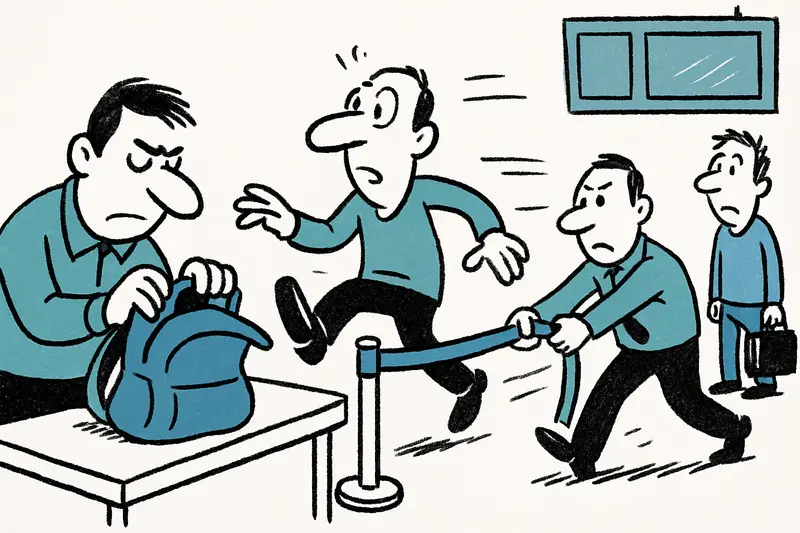
The scene is easy to imagine: right at a gate, somewhere between the metallic clatter of rolling suitcases and the bass of an overly loud departure announcement system, an officer checks a carried backpack, staff fasten barrier tape, the electronic departure board flips frantically through delays. Travelers who were just sipping a coffee to go now sit again in the hall before the security checks or stand on the jet bridge, bags in hand, eyes searching and phones in hand to inform family in Mallorca.
Critical analysis: Airports are complex systems in which isolated disruptions can quickly have wide-reaching effects. In this case, a man apparently entered an area not accessible to passengers. Because the risk could not be assessed immediately, security forces decided to clear and search the area completely. The measure may have been appropriate from a threat-prevention perspective, but it also produced significant collateral damage: from the perspective of those affected, it was a failure of planning and communication.
What is often overlooked in public discussion is that it is not only about the immediate security risk but also about the consequences for connecting passengers, the stress on families, the reliability of work and holiday plans, and the question of who covers incurred costs. Passengers experience disorientation in such moments; loudspeaker announcements alone are not enough when delays, rebookings, or cancellations are imminent. Instances such as a delayed Mallorca–Berlin flight diverted to Hanover show how confusing re-routing can be for passengers.
Everyday scene in Mallorca: On the way from the car park to Terminal Son Sant Joan in Palma you often see travelers grabbing an espresso just before boarding. On Friday midday the number of people nervously staring at their flight numbers doubled. An elderly woman by the window repeatedly reaches for her phone, her grandson explains at the gate where to find the travel insurance. Small children rub tired eyes and ask if the holiday will still happen. This is not an abstract statistic — this is the sound of a holiday becoming uncertain. Palma has also experienced incidents such as a power outage and storm at Palma Airport that led to widespread delays.
What authorities and operators should focus on
Concrete solutions can be summarized:
1. Faster, clear communication: Airports and airlines must deliver synchronized, understandable information in such situations — not only via loudspeakers but also via SMS/push messages to affected passengers with concrete instructions.
2. Reserved waiting areas: Temporary assembly and information zones behind security could help inform people in an orderly way instead of leaving them scattered across the terminal.
3. Transparent compensation rules: When passengers miss connecting flights or flights are canceled, travelers need clear guidance on their entitlements — from snacks to alternative transportation.
4. Scenario training: Security and ground staff should regularly conduct realistic exercises that train not only threat response but also customer management and communication.
5. Use digitalization: Automated gate-status displays that show rebookings and alternative flights in real time reduce waiting frustration. APIs between airport and airlines could make wait times transparent.
Error tolerance must be planned for: a human mistake should not automatically lead to a complete standstill. This does not mean weakening security protocols, but rather making procedures more resilient and coordinated.
Who bears responsibility?
For travelers, the first point of contact is the airline. It is responsible for rebooking and assistance in case of delays or cancellations. Airports carry the operational responsibility for protection and evacuation measures. Authorities are responsible for threat prevention. However, in public perception these responsibilities often blur; therefore, better proactive information offerings are needed that clearly state where to turn and what to expect within which timeframe.
A final, unspectacular suggestion: a small, clearly visible info-point icon on boarding passes (or in airline apps) with a link to emergency information could save nerves in such cases.
Conclusion: The Hamburg evacuation shows how sensitive air traffic is. Security measures were the right priority in this case. Still, the question remains how we can ensure in the future that security and service go hand in hand — so that travelers, whether on their way to Mallorca or back home, are not stranded between barrier tape and information gaps.
Frequently asked questions
What kind of weather can I expect in Mallorca in summer?
Is the sea warm enough to swim in Mallorca during summer?
What should I pack for a summer trip to Mallorca?
When is the best time to visit Mallorca if you want good beach weather?
Is Mallorca too hot for sightseeing in summer?
What is summer like in Palma de Mallorca?
Is Alcúdia a good place to stay in Mallorca for a beach holiday?
What is Sóller like for a summer visit to Mallorca?
Similar News
Body in the Basin of Port Adriano: Who Protects People During Crossings?
In the morning, just before noon: employees of a luxury marina discovered a floating body in the basin of Port Adriano. ...
Raised from the Sand: A Late Antique Merchant Ship Tells of the Sea off Can Pastilla
A 1,700-year-old Roman merchant ship was raised off Can Pastilla. Finds such as sail fragments and amphorae provide rare...
After the Storm: Why Many Fish Died at Riuet de s'Illot — and What's Still Missing
After the severe storm, numerous dead fish were found in the Riuet de s'Illot wetland. Who is affected, why it may have ...
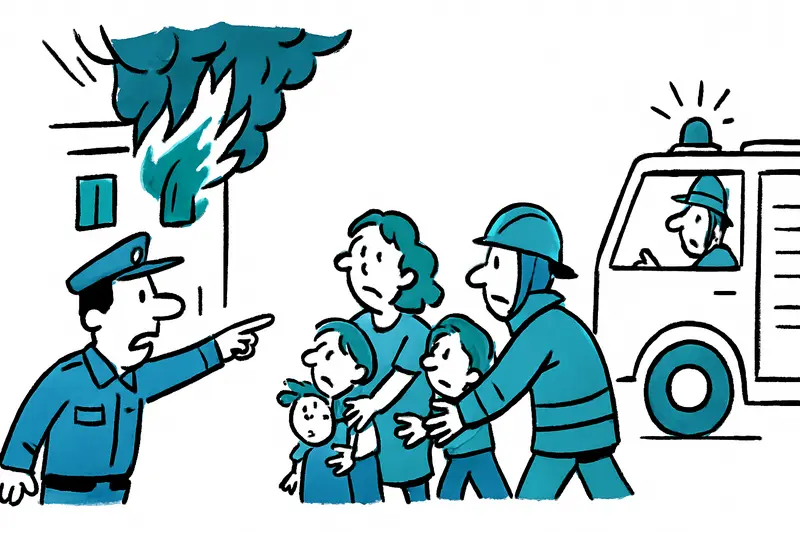
Fire in Can Picafort: Family Rescued at the Last Minute – a Safety Check for the Promenade
A fire in a sports shop on the Can Picafort seafront forced the evacuation of a mother with four children. How safe are ...
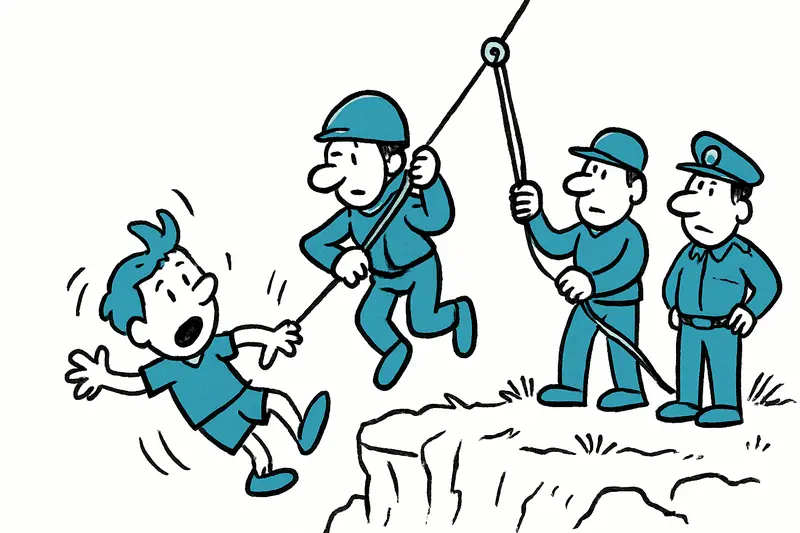
Nine-year-old rescued after cliff fall at Cala Murada — How safe are Mallorca's coastal paths?
A boy fell roughly five meters down the rocks near Cala Murada. The dusk rescue was elaborate; a helper also had to be r...
More to explore
Discover more interesting content

Boat Tour with BBQ along Es Trenc Beach

Private transfer from Mallorca Airport (PMI) to Pollensa
