
Delayed Mallorca–Berlin Flight: Landing in Hanover, Continued by Bus
A delayed evening flight from Palma did not land in the capital but in Hanover. What sounds like a one-off stop reveals weaknesses in weather management, slot planning and passenger communication.
Why a Mallorca–Berlin flight suddenly landed in Hanover
A typical late-summer evening at Son Sant Joan airport turned into an improvised night journey for dozens of travelers: rain lashed the windows, wind howled over the apron, and a flight scheduled for 18:20 to Berlin departed much later. Instead of landing in Berlin late that evening as planned, the aircraft touched down in Hanover at about 0:30. The question that remains after such situations is: Who decides — and how well prepared are the airline, airport and authorities for such delays?
The key question: plan or improvise?
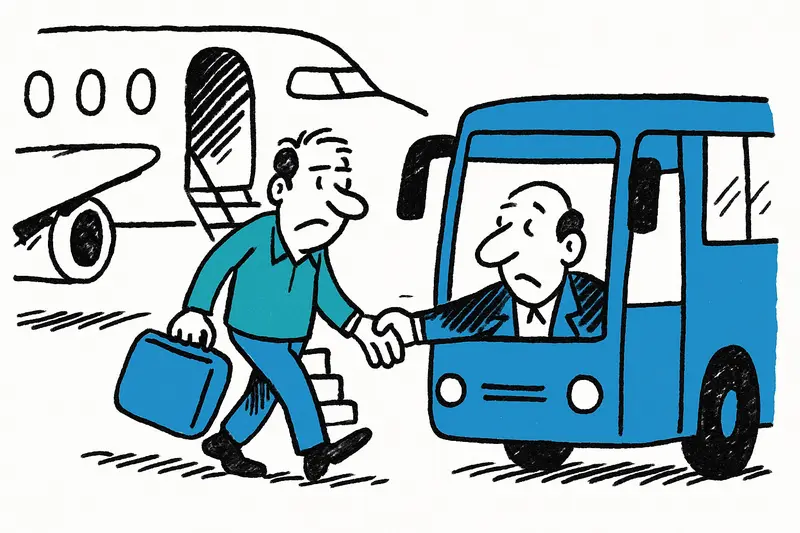
At first glance the decision sounds understandable: many commercial airports in Berlin are subject to strict night curfews, and when departure is delayed, flights risk falling into the restricted period. In practice this means the most logical alternate airport is sometimes hundreds of kilometers away. For passengers in Hanover this meant, as reported in Mallorca–Berlin flight diverted to Hanover: disembark, transfer baggage, buses on the apron and a long overnight bus ride. The main question is therefore: does it really have to come to such detours so often, or could travel chains be better secured?
What is often missing in public debate
The public discussion usually focuses on the immediate inconvenience — long bus rides, missed connections, tiredness — as seen in seven-hour waits at BER affecting Mallorca passengers. Less often discussed is how closely weather, slot and crew planning are linked. A heavy shower in Palma can trigger a chain reaction: delayed departure, expiration of slot limits, diversion to another airport. Also often underestimated is the psychological strain on passengers. Not only the hours without sleep, but the feeling of being left alone when information is sparse contributes to frustration.
Concrete weaknesses: communication and contingency plans
Passengers report mixed experiences with airline assistance. On the ground staff helped with rebookings, but often there were waiting times and unclear announcements. Airports and airlines do have emergency protocols, but their effectiveness depends heavily on staffing levels, available infrastructure (buses, additional check-in desks) and a clear priority plan (see Hannover Airport official site). If any of this is missing or not activated quickly enough, passengers are the ones who suffer.
Concrete opportunities and solutions
1) Better, proactive communication: automatic updates via app are nice but do not replace sufficient personalized announcements at the gate. Airlines should offer immediate binding options (rebooking, hotel vouchers, scheduled bus transfers) when delays are foreseeable, instead of only after passengers ask.
2) Mandatory contingency plans: for flights during weather-prone periods, airlines and airports could be required to maintain pre-prepared alternative routes and transfer chains, including prebooked buses and sleeping facilities for severely delayed connections.
3) More flexible slot rules in exceptional weather situations: when weather events trigger chain reactions, authorities should allow temporary relief or coordinated exceptions so that landings nearby remain possible and long transfer drives can be avoided.
4) Clear compensation and support standards: when a flight results in a nighttime diversion, responsibility for transfers and overnight accommodation should be clearly regulated and communicated, in line with EU air passenger rights.
What travelers can practically consider now
Those flying from Palma to Germany should be especially attentive on days with unstable weather: check in early, monitor the flight status app regularly, and keep alternative connections in mind. A personal pillow and snacks in hand luggage can provide some comfort during a long night drive. And: collect receipts — tickets, photos, time stamps — in case claims need to be made later.
Looking ahead: prevention instead of repair
The account from Hanover is not an isolated case; it shows a structural problem in air transport in a tightly scheduled region. Meteorology cannot be controlled, but processes can be adapted. With proactive planning, clear information chains and binding support standards, many frayed nerves could be spared. Until then the advice remains: if you depart from Mallorca, expect the unexpected — and hope the next trip goes more smoothly.
In the end the simple fact remains: for most passengers, the question "How do I get home?" was more important than flight number or airline. Answers to that would be less improvised and easier for everyone with a bit more preparation.
Frequently asked questions
Why was a Mallorca to Berlin flight diverted to Hanover?
What should passengers expect if a Mallorca flight is diverted to another airport?
How can weather in Mallorca affect flights to Germany?
What are my rights if my Mallorca flight arrives very late at night?
How should I prepare for a delayed flight from Palma de Mallorca?
Why do flights from Mallorca sometimes end up far from the original destination?
What should I do if my Mallorca flight to Berlin is delayed by weather?
Is an overnight bus transfer after a Mallorca flight normal?
Similar News

Maribel: Five Decades of Service – Housekeeper from Peguera Celebrated with a Special Honor
Over 50 years in the hotel business: María Isabel “Maribel” Molinos was honored in Palma at the Nit del Turisme by Unive...

Orange Alert over Parts of Mallorca: Are We Prepared?
Dark clouds and an announced wet spell have triggered an Orange alert in parts of Mallorca. A reality check: what's miss...

Sundair & Co.: Sale speculation and what it could mean for Mallorca
Rumors about a possible sale of the airlines Sundair and Fly Air 41, which belong to Schauinsland-Reisen — and whether b...
Anne Wünsche in Mallorca: A job offer with a catch — who fits the role of personal assistant?
Influencer Anne Wünsche has left Berlin and is urgently looking for a full-time personal assistant in Mallorca. Why the ...
Daily from New York: Palma Between Boom and Strain
United will increase the Newark–Palma route to daily flights in 2027 using Boeing aircraft (231 seats). What does the in...
More to explore
Discover more interesting content

Can Cap de Bou

Townhouse Lleo 72
