
Eight Injured after Hard Braking in Palma – Heated Debate over TIB Working Conditions
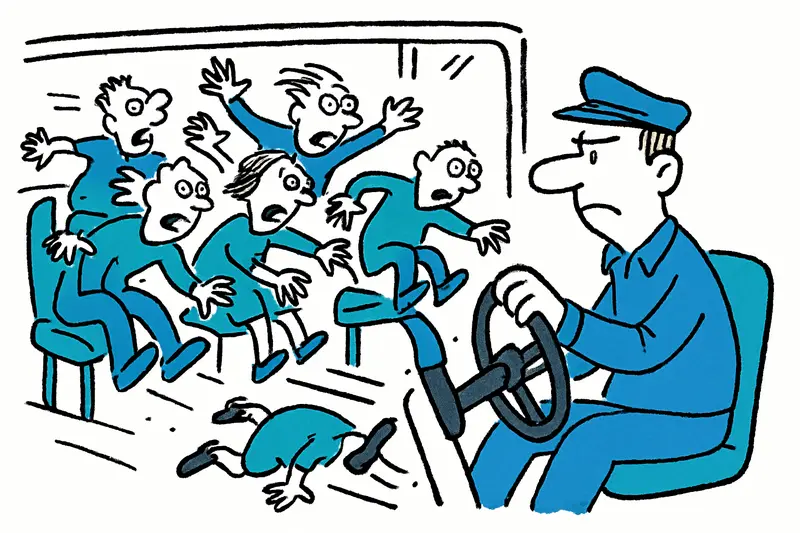
A TIB bus's sudden hard braking in Palma injured eight people. The incident raises the question: Do stressful working conditions compromise safety in public transport?
Crash in Palma: Eight slightly injured after hard braking
Late on Monday afternoon the usually quiet Calle Andrea Dòria briefly became a scene of emergency lights and sirens. Ocho heridos leves tras frenazo en Palma: nueva discusión sobre el TIB y la carga de trabajo del conductor An intercity bus of the Transport de les Illes Balears (TIB) had to brake so abruptly that several passengers were thrown forward. Rescue teams treated eight people for bruises and abrasions; seven of them were taken to hospitals as a precaution, including the Clínica Juaneda, the Clínica Rotger and the Hospital Palmaplanas.
How it might have happened — many questions remain
The driver ended the trip at Palma bus station and called the emergency services himself. Three ambulances, a logistics vehicle and a medical command vehicle responded. Whether the emergency braking was caused by a technical defect, a sudden obstacle on the road or a driving error is the subject of ongoing investigations. Police are securing evidence, technicians are inspecting the vehicle, and camera footage will be reviewed.
At the scene, passengers described a strong jolt and a brief moment of stunned silence, followed by frantic murmurs — the typical post-brake rustle when people gather to check minor injuries. For everyone involved, however, it was an evening they'd rather undo.
The central question: Are working conditions at TIB a safety risk?
The incident affects a transport system that is working on several fronts at once: fleet expansion, more passengers and economic pressure. The TIB network connects almost every municipality with Palma. The fleet currently includes around 201 natural gas buses and nearly 18 electric buses, and user numbers are rising — in the first quarter of 2025 the lines recorded more than 6.3 million trips. At the same time, drivers have been complaining for months about long shifts, too few breaks and increasing time pressure, an issue discussed in Two times 15 minutes for TIB drivers: A step forward — but is that really enough?.
Many experts warn that fatigue and stress can impair perception and reaction times. This connection often remains vague in public debate: people talk about “work pressure” or “tightly scheduled timetables”, but less often about concrete mechanisms by which this affects safety — for example cumulative fatigue, inadequate vehicle maintenance due to staff shortages in depots, or economic incentives among private operators to cut costs.
What often stays under the radar
A few points are seldom discussed in the hectic aftermath of accidents: the subcontractor structure in operations, shift planning and lengths, how breaks are actually implemented, and priorities in maintenance work. When companies calculate with tight personnel budgets, regular service intervals can be postponed; when drivers are constantly drilled on punctuality, risk and stress increase. Disputes and labour actions that affect service levels are documented in TIB strike in Mallorca: hope for a resolution – relief for commuters and drivers.
Technology alone — new buses and electric vehicles — only helps if operational organization grows accordingly. Even more often overlooked: simple equipment like well-fitting handrails, slip-resistant flooring or better interior design can mitigate the consequences of a hard braking.
Concrete measures and opportunities
Several concrete steps can be derived from the incident that could have short- and medium-term effects:
1. Independent technical inspection: Immediate, transparent investigation of the affected vehicle and its braking system; publication of the results to end speculation.
2. Work time and break monitoring: Reliable controls of shift lengths, mandatory breaks and clear rules for peak times so drivers are not permanently pushed to their limits.
3. Depot and maintenance planning: Additional resources for preventive maintenance, faster access to spare parts and regular safety checks also for subcontractors.
4. Risk-reduction technology: Retrofitting modern driver assistance systems (e.g. automatic emergency braking, collision warnings) and better camera evaluation for accident situations.
5. Transparency and participation: Open dialogues between operators, unions and authorities; regular safety reports for the public.
A wake-up call for the city
For those affected it was an evening of inconvenience. For Palma it is a reminder: mobility is more than vehicles — it depends on people, working conditions and good organization. When behind the wheel there is not only traffic but also time and performance pressure, the street feels it.
Whether authorities and operators will draw the necessary lessons will become clear in the coming days: in the investigation of the incident, potential checks on working time regulations and perhaps a stronger political focus on safe, sustainable and socially responsible mobility.
Tags: Accident, Public transport, TIB, Palma, Working conditions
Frequently asked questions
What happened on a TIB bus in Palma?
How serious are injuries after a hard brake on a bus?
What should passengers do after a bus emergency brake in Mallorca?
Why are TIB drivers in Mallorca complaining about work pressure?
Is public transport in Palma safe when drivers are under time pressure?
What is being investigated after the Palma bus incident?
Where were injured passengers taken after the Palma bus brake?
When should you worry after a minor bus injury in Mallorca?
Similar News
After Being Admitted to Hospital Again: Heinz Hoenig and the Questions We Should Ask in Mallorca
Long-time Mallorca resident Heinz Hoenig was admitted to hospital again. A clear “what next?” is missing from the covera...
Yellow Alert: Is Mallorca Prepared for the Next Rain Band?
Aemet has issued a yellow alert for the south, southwest and the island's interior. Thunderstorms and heavy rain are for...
Kegel brothers trial postponed: Why Mallorca must wait for a verdict
The trial of 13 German holidaymakers will not begin until May 2028. The long wait raises questions — for victims, defend...
Chaos on Palma's Runway: Why the Summer at the Airport Was So Disrupted
This summer laid bare where Palma airport is faltering: only just over half of departures were on time and seven percent...
Cocaine Offer on Ham Street: Why the Open Trade Should Ring Alarm Bells
In the middle of Pare Bartomeu Salvà a tourist was offered a packet of cocaine as part of a sunglasses deal. A short int...
More to explore
Discover more interesting content

Can Cap de Bou

Townhouse Lleo 72
