
Helpfulness at Ballermann: Vacationer from Kiel Receives His Wallet Back
An honest finder from Flensburg and the cooperation of German authorities reunited a lost wallet with its owner at Playa de Palma. A small episode with a big impact on the holiday feeling.
Helpfulness at Ballermann: Vacationer from Kiel Receives His Wallet Back
How a woman from Flensburg, a phone call to Kiel and short distances at Playa de Palma led to a happy ending
It was one of those hot late-summer evenings at Playa de Palma: the air smelled of sea salt, muted beats drifted from the bars, and the promenade filled with people in flip-flops and sun hats. Right here, between deckchairs and beach bars, a young woman from Flensburg found a wallet on the sand.
Instead of leaving it, she did something that easily gets lost in the bustle: she looked for an ID, noted an address and reached for the phone. The call did not go to the Guardia Civil on the island, but to the 1st police precinct in Kiel – a direct request for assistance from home.
The colleagues in Kiel were able to determine a phone number from the details of the found item. An officer contacted the owner and learned that the 23-year-old was still in Mallorca and had already noticed his wallet missing the previous day. With his consent, the police station passed the number on to the finder.
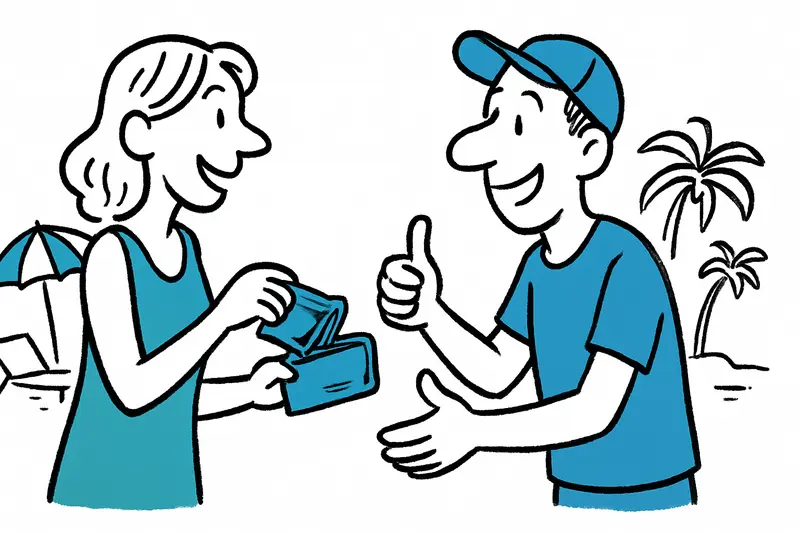
What followed is as simple as it is comforting: shortly after, the finder and the owner met in front of a nightclub at the Playa. There, amid loud music and the night’s murmur, the wallet changed hands again. Relieved faces, a quick “thank you”, perhaps an awkward thumbs-up in front of a smartphone camera – and things were back where they belonged.
Such small stories are more than anecdotes. They show that even in the holiday rush on the island, mutual consideration and functioning procedures work: an honest finder, the willingness to ask for help from home, and the investigative work of colleagues in Kiel fitted together like cogs in a well-oiled mechanism.
For Mallorca this has a pleasant side: tourists experience that what was thought lost can be returned, and locals see how the island organizes itself during peak season. That strengthens trust in everyday life here – from the promenade vendor to the local police, which is connected with European partners when needed.
A small piece of advice from beach life: anyone who finds valuables should first look for identification, then contact the local police or the nearest tourist office and, if possible, note a contact person or phone number. Those who have lost something can immediately block their bank cards and at the same time inquire with the authorities – often a few details are enough to bring finder and owner into contact.
In the end, the scene in Arenal remained a reminder that consideration is not out of fashion. Between sunscreen, beach towels and loud music it was a simple human gesture that saved the evening for a young holidaymaker. And for the finder from Flensburg a good feeling on the trip home: she had not only found something, she had done the right thing.
Why this is good for Mallorca: Events like these show that the island's tourism is not just about parties and beaches, but also about small, reliable helpers – from hotel staff to international police cooperation. That makes the resort a bit friendlier.
Brief reminder: A friendly “thank you” and responsible behavior are often enough to avoid trouble while traveling and to create positive stories.
Frequently asked questions
When is the best time to visit Mallorca for good weather and fewer crowds?
Are Mallorca’s beaches safe for swimming, and what should I watch for?
What should I pack for a trip to Mallorca to stay comfortable?
How easy is it to get around Mallorca without a car?
What are the must-see natural landscapes and viewpoints on Mallorca?
How does Mallorca’s weather change across the year?
What practical tips help with sun protection and staying hydrated in Mallorca?
How can I experience local culture and food during a Mallorca visit?
Similar News

When Bouncers Run Amok: Emmy Russ and the Question of Safety at the Ballermann
An incident at the Megapark involving reality TV figure Emmy Russ raises broader questions about the oversight of securi...
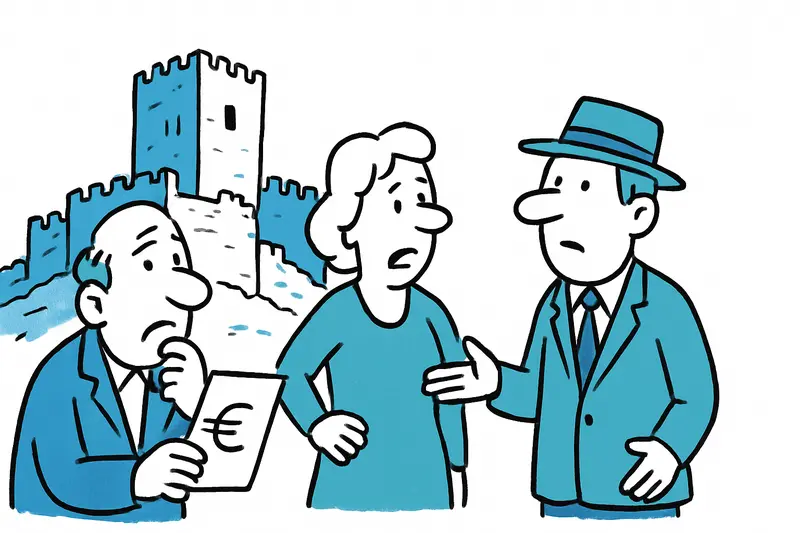
Castell d'Alaró: Sale amid expropriation procedure – who decides about the castle?
The Ordinas family is offering their share of Castell d'Alaró for sale at €3.4 million, even though the island council h...
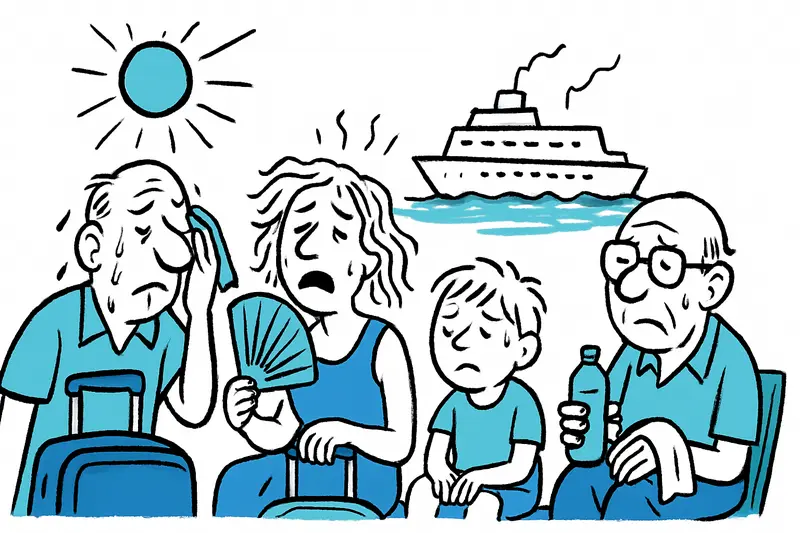
Chaos on Board: Power Outage Delays Ferry – Mallorca Passengers Sweat at 37 °C
Hours-long waiting at the port of Valencia, extremely high night temperatures and insufficient communication: a power ou...

Musical chairs in the tourism department: Why five departures in three years are more than staff turnover
Five senior departures in just over three years have shaken the island government's tourism department. A clearer politi...
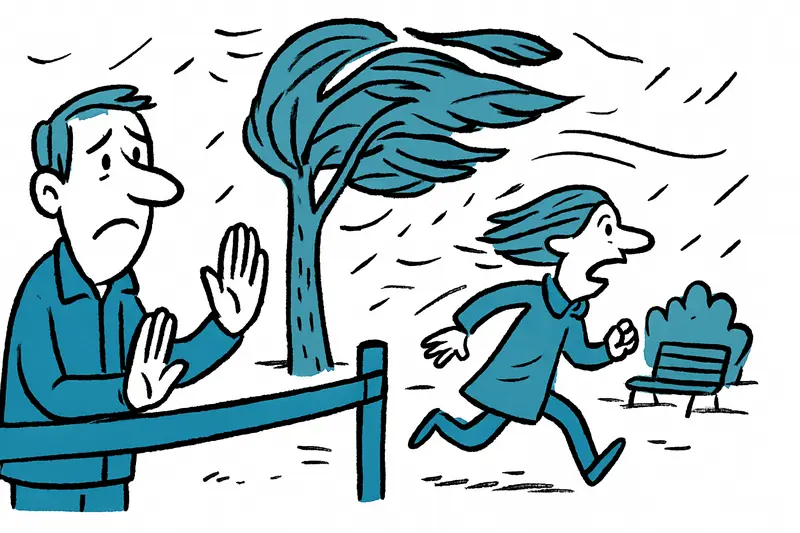
Palma closes parks and the Paseo Marítimo — are the precautions against the storm enough?
The parks Bellver, La Ribera and Can Terrers have been closed since 3:00 p.m., and the seaside promenade is scheduled to...
More to explore
Discover more interesting content

Boat Tour with BBQ along Es Trenc Beach
Private transfer from Mallorca Airport (PMI) to Pollensa
