
Chaos on Board: Power Outage Delays Ferry – Mallorca Passengers Sweat at 37 °C
Hours-long waiting at the port of Valencia, extremely high night temperatures and insufficient communication: a power outage delayed the ferry to Palma by more than four hours. Who is responsible — and how can this be prevented?
Chaos on Board: Power Outage Delays Ferry – Mallorca Passengers Sweat at 37 °C
Central question: Who ensures the safety and dignity of travelers when a technical failure at sea turns into a torment?
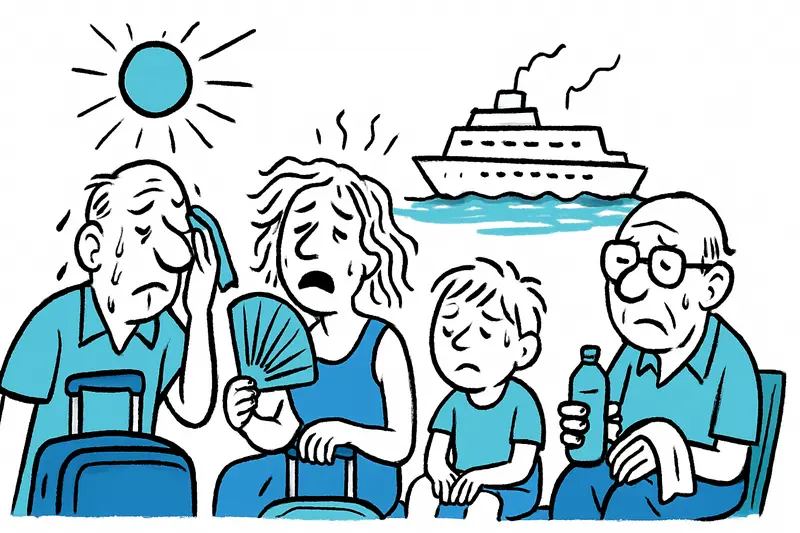
On the night before the planned departure from Valencia, a chain reaction of delay, heat and confusion occurred on one of the ferries bound for Palma. The ship was supposed to depart on Wednesday evening at 22:30, but boarding was only possible well after midnight – the return to the island was delayed by more than four hours. Nighttime temperatures in the region climbed to around 37 °C; waiting families and elderly passengers had to endure the port until boarding finally began.
This is not mere discomfort. When people with children, elderly passengers and those with reduced mobility stand on a harbour pier in oppressive heat, we are dealing with a safety and organizational issue. A power outage on board sounds technical, but it has direct consequences: no air-conditioned waiting areas, hampered provision of services and a tense atmosphere among travelers.
Critical analysis: What went wrong?
Technical faults happen. What matters is how operators and the port handle them. Several weaknesses become apparent here. First: there was apparently information in the morning about a possible delay, but the evening communication was insufficient; passengers were given an embarkation time that clashed with the ship's actual arrival. Second: the infrastructure for extreme weather at the port – shade, drinking water, medical readiness – appears inadequate if people must wait for hours at 37 °C. Third: there is a history of air-conditioning problems on board, which raises the question whether maintenance schedules and technical checks before peak season are sufficient.
What is missing from the public debate
The debate quickly turns to assigning blame to the shipping company. More important would be to examine three areas more closely: a) the legal situation regarding delays and the question of automatic compensation processes; b) the responsibility and standards for port waiting areas during heat stress; c) the prevention duties of ferry operators in hot summers. Above all, a clear, publicly accessible description of how emergency plans are to be implemented – and who checks them – is missing.
An everyday scene, as it feels
Picture the quay at the port: suitcases rolling on hot tarmac, the beeping of luggage trolleys mixed with the distant hum of ship diesel. Parents fan their children, seniors sit on brought chairs, some wrap damp cloths around their wrists. Agitated voices, flickering smartphone screens trying to get answers. It's loud, stuffy and slow – and no one really has a cool place.
Concrete solutions
Multiple levers are needed to prevent a recurrence: First, mandatory minimum standards for waiting zones in ports during heatwaves – covered areas, sufficient drinking water and regular announcements. Second, required emergency power solutions and redundant systems on ships, plus protocols that check climate control and power stability before departure. Third, a transparent, automatic compensation procedure for affected passengers that avoids lengthy bureaucratic disputes. Fourth, regular independent audits of shipping companies' maintenance plans, especially during summer months. And fifth, a binding information obligation with live updates via SMS or app – not just an early morning notice, but clear time windows and alternative offers if the situation deteriorates.
Who could act?
City and port authorities, transport regulators and consumer protection agencies must pull together. Technical standards come from the authorities, inspections can be carried out by independent examiners, and consumer organisations should demand a standardized complaint and damage procedure. Shipping companies must disclose their emergency plans so that passengers know what to expect.
Conclusion
A nocturnal power outage is not a trivial matter when people have to stand in the port for hours at 37 °C. It is a test of transport organisation, communication and duty of care. Those who respond only with apologies risk not only anger but also trust—and in serious cases the health of passengers. Mallorca needs reliable connections, but that requires reliability on land as well: shade, water, clear information and technical reserve capacity. Without that, ports and ferries remain places where the heat not only warms the air but also frays people's nerves.
Frequently asked questions
When is Mallorca's best time to visit for warm weather and fewer crowds?
Are Mallorca beaches safe for swimming, and what should I know before going in?
What should I pack for a trip to Mallorca?
How easy is it to get around Mallorca as a first-time visitor?
What are some must-see natural spots in Mallorca?
How does Mallorca's weather change with the seasons?
Is Mallorca suitable for families, couples, and solo travelers, and what activities fit each group?
What currency and tipping etiquette should I know when visiting Mallorca?
Similar News

When Bouncers Run Amok: Emmy Russ and the Question of Safety at the Ballermann
An incident at the Megapark involving reality TV figure Emmy Russ raises broader questions about the oversight of securi...

Helpfulness at Ballermann: Vacationer from Kiel Receives His Wallet Back
An honest finder from Flensburg and the cooperation of German authorities reunited a lost wallet with its owner at Playa...

Castell d'Alaró: Sale amid expropriation procedure – who decides about the castle?
The Ordinas family is offering their share of Castell d'Alaró for sale at €3.4 million, even though the island council h...

Musical chairs in the tourism department: Why five departures in three years are more than staff turnover
Five senior departures in just over three years have shaken the island government's tourism department. A clearer politi...

Palma closes parks and the Paseo Marítimo — are the precautions against the storm enough?
The parks Bellver, La Ribera and Can Terrers have been closed since 3:00 p.m., and the seaside promenade is scheduled to...
More to explore
Discover more interesting content

Boat Tour with BBQ along Es Trenc Beach

Private transfer from Mallorca Airport (PMI) to Pollensa
