
Hidden Cannabis Grow Sites: What Mallorca Must Not Overlook in Child Protection
Hidden drug operations make headlines. For Mallorca, the key issue is less the shock factor than the practical question of how municipalities can identify risks, protect children and avoid spreading rumours.
When a playground serves as a cover, the shock is considerable. What matters for Mallorca is the difficult work that follows.
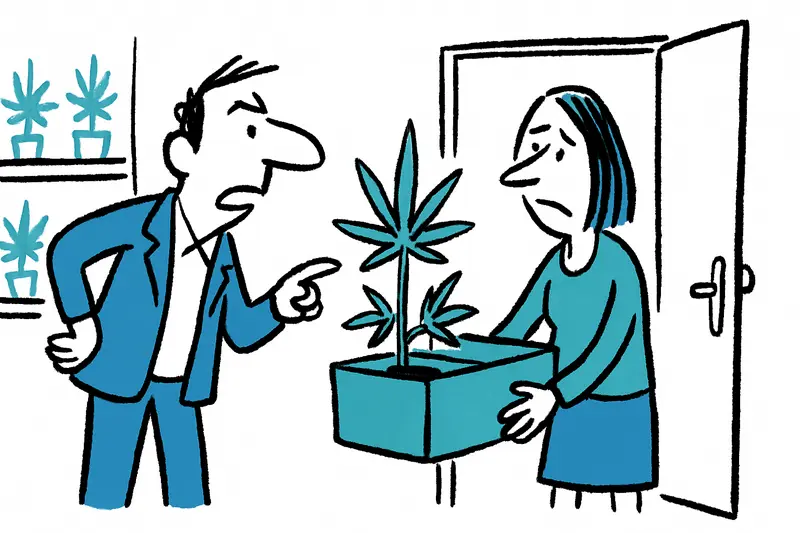
A swing set, a playhouse, and an entrance to an illegal operation beneath them: the very idea is hard to forget. It sounds like a crime thriller, but above all it raises a public safety issue. What can be learned from cases like this without turning a striking image into evidence of a threat across the island? That distinction is often lost when the first wave of outrage spreads online.
The spectacle is not the main issue
When illegal cultivation is uncovered, attention quickly turns to the number of plants or the ingenuity of the hiding place. Those figures make for easy headlines. For residents and municipalities, other questions matter more: Has the building’s structure been altered? Is there improvised electrical wiring? Could children or neighbours enter a dangerous area? And who checks that a building is safe to use again after an operation?
Intensive lighting, ventilation and air conditioning require electricity. If an installation is connected improperly or the power supply has been tampered with, it can create serious hazards, including overloads, heat or exposed wiring. This is not an inevitable consequence of every grow operation, but it is a risk that should not be overshadowed by the number of plants seized. A concealed cavity or structurally altered entrance can also pose problems for emergency services and future occupants.
The playground makes the issue emotional. Rightly so: children cannot assess hazards, and an inviting play area encourages exploration. But that does not mean every unusual garden or locked door is suspicious. A municipality that acts on rumours instead of verifiable information risks making false accusations. One that ignores clear warning signs risks far more.
What gets lost in the public discussion
The quick version of the story has suspects, a hiding place and a police operation. Less attention goes to the questions that follow: How was a possible structural alteration discovered? Which specialists assess the property’s safety? How can children be kept out of danger while an investigation is under way? And who informs the neighbourhood without compromising an active investigation or the rights of those accused?
These questions are not secondary. Suspicion is not a conviction; investigations must be conducted carefully. At the same time, the existence of an ongoing case should not prevent people from discussing building safety and child protection. Good communication can do both: share only confirmed information and explain specific precautions where necessary.
It is also important for Mallorca not to exaggerate the significance of an isolated case. A report about a grow operation on the mainland does not prove that similar hidden sites exist on the island. Portraying it as part of a local pattern without reliable evidence fuels fear and distracts from the municipalities’ real responsibilities. This applies in Palma just as much as in a smaller town, where a rumour can travel from a café to a WhatsApp group within an hour.
An ordinary afternoon, a clear point of contact
On a square in Palma, a ball might clatter across the paving stones, a scooter might buzz past, and parents might chat at the edge about their shopping. Nobody wants to become an amateur detective every time an unfamiliar delivery van appears. But if an entrance is left open, a building seems to have been conspicuously altered, or there is a specific risk to children, there should be a clear course of action: contact the responsible authority, keep your distance, do not share images of suspects or children, and do not climb into a shaft or side room yourself. It is unremarkable—and that is precisely why it is sensible.
Municipalities can establish simple procedures. Reports should go to a clearly designated contact point and be assessed using transparent criteria. Where there may be structural risks, specialists in structural engineering and electrical systems should be involved—not just someone taking a quick look at the façade. Operators of playgrounds and recreational areas need a plan for temporarily securing areas if an inspection is required. Utility providers and authorities should share information about unusual activity only within the scope of their responsibilities and applicable data-protection rules. After a police operation, it must be clear who confirms that the property is safe before it is made accessible again.
Parents can also help without causing alarm: teach children not to touch locked doors, shafts or unfamiliar objects. This is not a response to a specific threat in Mallorca, but a sensible rule for playgrounds and construction sites in general.
The measure is not the thrill
Hidden operations fascinate us because they can make something ordinary—a garden, a playground or a house—suddenly seem sinister. But in Mallorca, the headline should not be dictated by the perfect hiding place. What matters is whether authorities assess reports carefully, secure dangerous areas and keep the public informed without leaving people in the dark or causing unnecessary panic. Child protection requires attention. It also requires evidence, expertise and a cool head. Otherwise, a genuine safety issue can quickly become a rumour with a life of its own.
Frequently asked questions
What should I do if I find an open or altered building near a playground in Mallorca?
Do reports of hidden cannabis grow sites mean there is a widespread problem in Mallorca?
What safety risks can an illegal cannabis grow operation create in a building?
Who should confirm that a property in Mallorca is safe to enter after a police operation?
How can parents teach children to stay safe around locked doors and shafts?
Should I post photos or names online if I suspect a dangerous site in Mallorca?
How should Mallorca municipalities handle reports about a potentially unsafe building?
Does an unfamiliar delivery van or locked door mean there is an illegal grow site?
Similar News
When a Ship in Distress Needs Shelter: Who Bears the Risk?
When a ship is in distress, finding a safe place matters. But coastal communities should not have to accept a port choic...
Eviction at Plaça d’Espanya: Who Protects Personal Belongings?
After a protest camp was cleared, Stefanie Knabe has made serious allegations: her ID card and other belongings have gon...

When Illness Makes the Headlines: Where Mallorca Needs Boundaries in Celebrity News
Health concerns affect the people living with them first—not the audience. A reality check on how Mallorca should talk a...
Capsized Freighter off Ibiza: Why the All-Clear Is Not Yet Certain
The freighter Med Emre has capsized northwest of Ibiza, with around 7,000 tonnes of diesel on board. The disappearance o...

Carry-On Luggage on Mallorca Flights: Why Pillow Tricks Can Get Expensive at the Gate
Stuffing extra clothes into a pillow, neck cushion or jacket sounds like a free solution. But at Palma Airport, what mat...
More to explore
Discover more interesting content

Can Cap de Bou

Townhouse Lleo 72
