
Hiker airlifted to hospital after fall at La Trapa
Hiker airlifted to hospital after fall at La Trapa
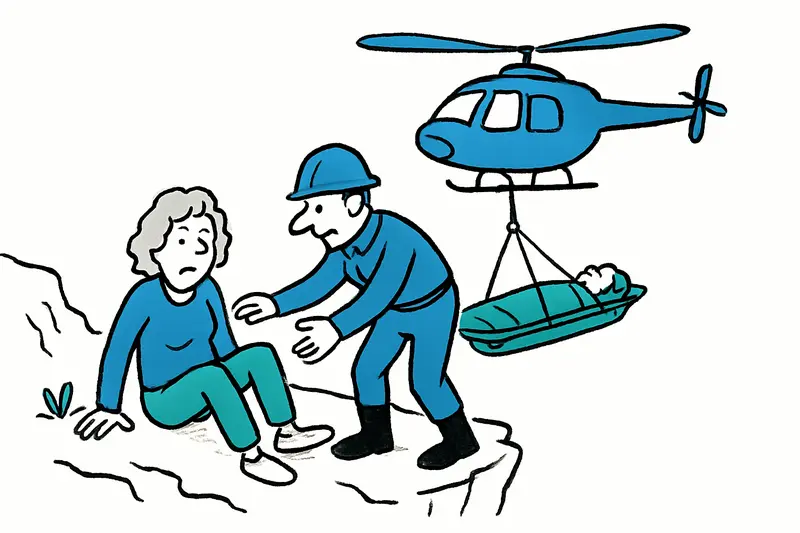
During a hike along the cliffs of La Trapa, a 65-year-old woman fell and was unable to walk. Firefighters and a rescue helicopter transported her to Son Espases hospital.
Hiker airlifted to hospital after fall at La Trapa
Firefighters stabilise injured woman – helicopter flight to Palma
On Saturday afternoon a stretch of the coastal path at La Trapa, in the municipality of Andratx, briefly turned into an emergency zone. A 65-year-old woman had fallen while descending and could no longer continue on her own. Passersby alerted the emergency services, who arrived shortly afterwards.
The crews of the Mallorcan fire service (Bombers de Mallorca) reached the location via the rocky path, provided medical care to the woman and prepared her for transport. Because the situation and the difficult terrain made a ground evacuation difficult, the team together with the ambulance service decided on an airlift to Hospital Universitari Son Espases in Palma.
Scenes like this are not uncommon here in the Tramuntana: narrow switchbacks, loose stones and a view that sometimes makes you blind to the next step. In the afternoon the sun was already low, it was cool, and people sitting on benches in Puerto de Andratx suddenly looked up as the rescue helicopter circled. Photos from Bombers de Mallorca show the helicopter loading the patient – a logistical coordination that has become routine on Mallorca, as in Dramatic Helicopter Rescue at Puig Major.
For the injured woman, the quick response by the emergency teams and the subsequent flight to Palma meant that she was soon in the hands of specialists. Son Espases, the island's main hospital, is central for such emergencies. For data protection reasons we have no details on her condition.
What remains is the reminder of two things: the competence of the rescue teams and the fragility of an outing. Hikers here often see well-equipped locals and holidaymakers with hiking boots, trekking poles and small backpacks. Yet one careless step is enough to end a tour abruptly.
A small, practical tip: a fully charged mobile phone, an emergency blanket in the backpack, a whistle or a sufficiently stocked first-aid kit can make a big difference on steep paths. If you are unsure, join a guided hike — especially on more demanding sections of the Andratx coast.
For Mallorca this rescue is a quiet confirmation: the island has a well-rehearsed emergency infrastructure that acts quickly in difficult moments. At the same time it is a call to experience nature here with respect and a little preparation; similar cases are discussed in From Mountain to Hospital: What the Rescues at Puig de Galatzó and Torrent de Pareis Reveal About Mallorca's Hiking Tourism. On the next walk along the cliffs you will not only hear the seagulls, but perhaps also the call for help — and you will know that help is possible.
Photo: Bombers de Mallorca / Facebook
Frequently asked questions
How safe is hiking on Mallorca’s coastal paths?
What should I pack for a hike in Mallorca?
What happens if someone is injured on a hike in Mallorca?
Is La Trapa in Mallorca suitable for casual hikers?
Where is La Trapa in Mallorca?
Why do helicopter rescues happen in Mallorca’s Tramuntana?
What is Hospital Universitari Son Espases used for in Mallorca emergencies?
When is the best time of day to hike steep routes in Mallorca?
Similar News
New trick at Palma Airport: suitcase stolen from the belt — a reality check
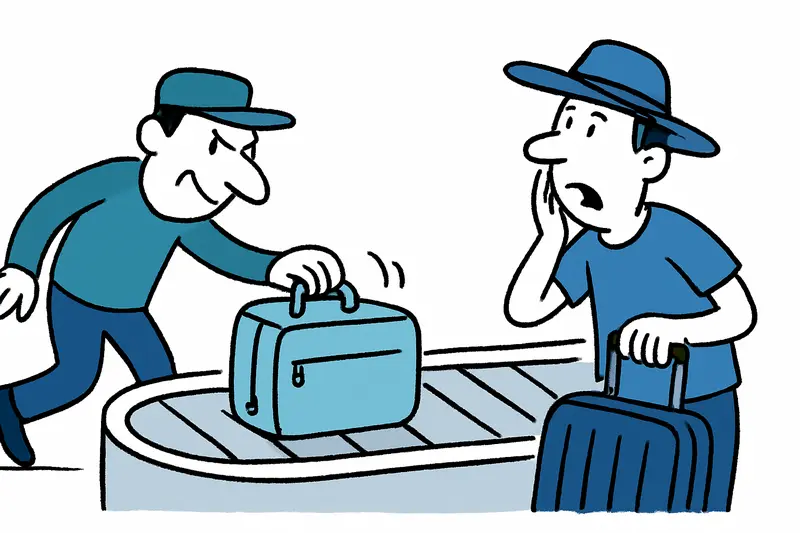
On September 28 a 36-year-old allegedly stole a suitcase from the baggage belt of a 51-year-old German passenger at Palm...
Urgent Clearing of Palma's Torrents: Flood Prevention or Symptom of Short-Sighted Planning?
The city of Palma is responding to storm forecasts and has cleared several torrents. We ask: Is the short-term clearing ...

Evaneos and Mexico: A Reality Check for Sustainable Travel
Travel advertising often reads like a promise: local, sustainable, unique. But how deep do these promises really go? A c...

From Megapark to the Altar: Party Singer Now Offers Weddings in Mallorca
A well-known party artist combines partying and marriage: instead of a traditional church there are ceremonies at the Me...

The Maricarmen Case: Why an Eviction Is Forcing Spain's Housing Debate
Images of an 87-year-old woman on a stretcher have sparked a debate in Spain that also runs deep in Mallorca. Who protec...
More to explore
Discover more interesting content

Can Cap de Bou

Townhouse Lleo 72
